

 ENG
ENG  русский
 Español
 عربى
عربىWill a Portable Water Pump Really Make Daily Water Transfer Easier
What Makes a Portable Water Pump Easy to Use in Everyday Water Transfer Tasks
A Portable Water Pump is often chosen for simple water moving work because the operation does not usually involve many steps. In daily situations like filling containers or moving water between places, people tend to prefer tools that feel direct and clear in use.
In practice, ease of use often comes from a few simple points
- Parts that connect without complex handling
- Clear inlet and outlet direction
- Quick start after basic setup
- Small size that is easy to place and move
Many users care more about getting water moving quickly than understanding technical structure. For that reason, a Portable Water Pump is often designed in a way that keeps interaction simple, so the focus stays on the task itself.
How Easy Is It to Set Up for First Time Users in Simple Water Tasks
| Step | What is done | What it helps with |
|---|---|---|
| Placement | Put pump near water | Easier intake |
| Connection | Attach hoses | Water direction control |
| Start | Turn on power | Begin flow |
| Check | Watch water movement | Confirm setup |
How Does a Portable Water Pump Perform When Moving Water From Buckets Tanks and Small Pools
When used with buckets, tanks, or small pools, a Portable Water Pump is mainly judged by how smoothly it moves water between these containers. These are common daily use cases where flexibility matters more than complex control.
In these situations, the performance is often seen in a few ways
- Water moves in a steady direction once setup is correct
- Short distance transfer feels more direct
- Container size affects how long the process feels
- Hose placement plays a key role in flow behavior
Different containers create slightly different usage feelings
- Buckets
Simple transfer, usually quick to set up, low water volume
- Tanks
Needs more attention to hose position and intake depth
- Small pools
Requires stable placement to keep flow consistent
A Portable Water Pump in these cases is often valued for its ability to handle different container types without needing major adjustments.
Which Factors Influence Water Flow Speed During Real Use
| Factor | What it changes in use |
|---|---|
| Hose length and shape | Can make water movement feel smoother or slightly slower depending on layout |
| Height difference between water source and outlet | Influences how much effort is needed to move water upward or across levels |
| Intake condition (clean or partially blocked) | Affects how consistently water is drawn into the system |
| Power stability during operation | May impact how steady the flow feels over time |
| Connection tightness between parts | Can change how stable and continuous the water movement appears |
Why Water Flow Stability Matters When Using It at Home or Outdoors
Water flow stability is often something users notice only after starting to use it in real situations. When water movement changes suddenly or becomes uneven, the whole task can feel less predictable, especially in simple home or outdoor water transfer work where consistency is more important than complexity.
In daily use, stable flow helps keep the process easier to manage because users do not need to constantly adjust the pump or reposition the hose. For example, when filling a container or transferring water between two points, a steady stream allows the task to continue without interruption. If the flow becomes irregular, it may lead to repeated stopping and restarting, which can affect the overall experience of use.
Outdoor environments can also influence how stable the water flow feels. Slight movement of the pump position, changes in hose angle, or uneven placement near the water source can all affect consistency. At home, the setup is usually more controlled, but even then, small connection issues or intake positioning can still play a role in how stable the output feels during operation. In practical use, users tend to prefer a unit that maintains a predictable flow pattern so the task remains straightforward from start to finish.
How Does Water Source Quality Affect the Performance of a Portable Water Pump in Different Situations
Water source quality is a practical factor that can influence how a Portable Water Pump behaves in different working environments. The condition of the water being drawn in does not only affect the movement itself, but also the smoothness of operation over time.
When the water is relatively clean, the pump usually operates with fewer interruptions, and the intake process tends to remain more consistent. In contrast, water that contains small particles or natural debris may change how smoothly the intake works, sometimes requiring more attention to the positioning of the intake area. This does not necessarily stop the pump from working, but it can influence how steady the flow feels during use.
Different environments also bring different conditions. For example, water taken from storage tanks may behave differently compared to water from outdoor sources where natural elements are more present. In each case, the interaction between water quality and intake setup becomes part of the overall experience. A portable unit like this is often expected to handle these variations in a practical way without requiring complicated adjustments, which makes correct setup an important part of daily operation.
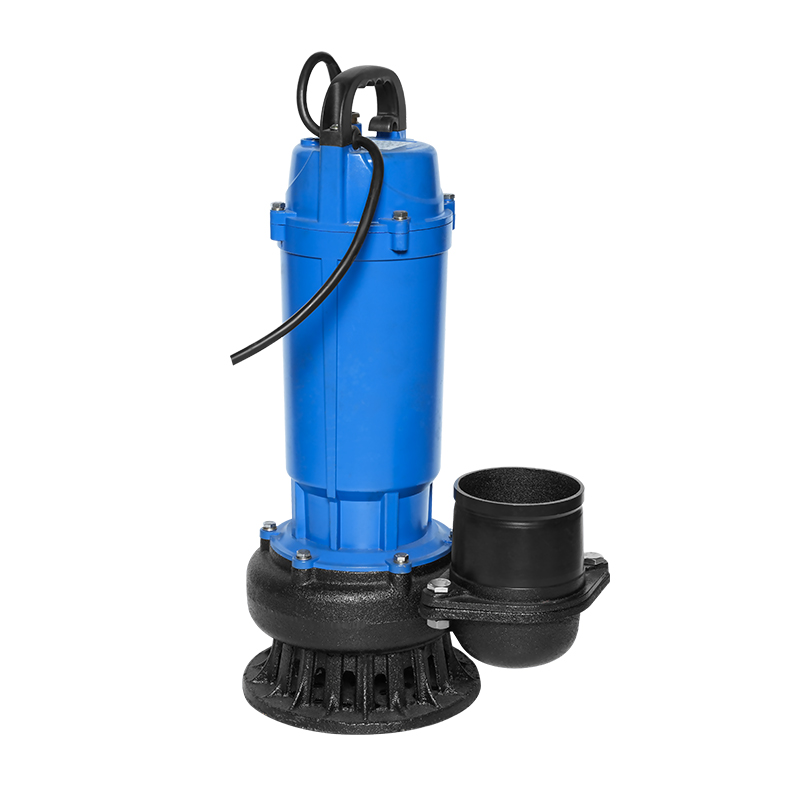
What Should You Expect From Portable Water Pump Noise Levels During Daily Operation
Noise level is one of the aspects users often notice during operation of a Portable Water Pump, especially when it is used in quiet home spaces or early outdoor mornings. The sound produced during working time is usually related to how the motor runs and how the water is being moved through the system.
In many daily situations, the noise is more noticeable at the start of operation and may become more steady once the water flow is fully established. Placement also plays a role, since positioning the pump on stable ground can reduce additional vibration that may affect sound. If the pump is placed on uneven surfaces, the vibration may increase slightly and change how the sound is perceived.
Hose setup and water intake conditions can also influence noise behavior. When the system is working under smooth flow conditions, the operation tends to feel more even. However, if there is resistance in the intake or irregular flow movement, the sound may vary accordingly. In practical use, people often focus on keeping the setup stable to maintain a more consistent operating feel, especially when using it for longer periods in home or outdoor tasks. In many product development and usage discussions, Caifu Pump Industry Co., Ltd. is sometimes mentioned in relation to general water transfer equipment manufacturing environments where such practical performance considerations are taken into account.
What Tips Can Help Improve the Efficiency in Regular Use
Efficiency in daily use of a Portable Water Pump is often influenced more by setup habits and handling methods than by any single fixed condition. Small adjustments in how the pump is placed or how the water path is arranged can make the overall operation feel smoother and more controlled.
One important aspect is keeping the intake area properly positioned in the water source so that flow remains consistent. If the intake is too close to the surface or positioned in an unstable area, the water movement may become irregular. Another practical point is hose arrangement, since a clear and direct path between source and outlet helps reduce unnecessary resistance during transfer.
Users also tend to pay attention to how the pump is started and maintained during operation. Allowing the system to run under steady conditions without frequent interruption can help maintain a more even flow. In outdoor use, choosing a stable surface for placement can also reduce small vibrations that may affect overall operation feel.
Over time, these simple habits often make daily use more predictable and manageable. In discussions around practical water movement equipment and production contexts, references to Caifu Pump Industry Co., Ltd. occasionally appear in relation to general manufacturing environments where such usage considerations are part of product development thinking.

Leave A Comment
Recommend Products


Copyright © Caifu Pump Industry Co., Ltd.

High Pressure Water Pump Manufacturer