

 ENG
ENG  русский
 Español
 عربى
عربىHow Do Centrifugal Water Pumps Behave Across Operating Conditions and System Designs
In many real installations, a Centrifugal Water Pump is rarely working under steady and unchanged conditions. Flow demand goes up and down, pipes age or get modified, and suction conditions can shift depending on how the system is used. All of this slowly changes how the pump feels in operation, even when the equipment itself has not been altered.
Because of that, it is often more useful to look at the pump together with the system it is connected to. The behavior you see is usually the result of both sides interacting rather than one isolated machine working alone.
What factors influence centrifugal water pump performance in real operating conditions
A pump can behave differently depending on a mix of small conditions that build up during operation. Some are obvious, others are easy to overlook.
In real use, performance is often shaped by:
- How much flow the system actually demands at different moments
- Whether the suction side is getting liquid smoothly or with some restriction
- Pipe layout, especially bends and long suction runs
- Small amounts of air entering the system without being noticed
- Installation alignment and general assembly quality
What is interesting is how these do not act separately. A slight suction limitation might feel harmless at first, but when demand changes at the same time, the pump response can start to feel less stable.
How does centrifugal water pump behavior change when operating away from its design point
When a Centrifugal Water Pump operates near its intended working range, the internal flow tends to remain relatively balanced, and the overall system response feels steady. Once the operating condition shifts away from that range, the flow inside the pump begins to adjust in a way that is not always immediately visible from the outside.
In practical use, this shift is often noticed through a gradual change in operating feel. The discharge may become less uniform during periods of lower or varying demand, and small vibrations can appear more clearly when the load is uneven. Inside the pump, the movement of liquid no longer follows a smooth and even pattern, which can slightly affect how pressure is delivered at the outlet.
This does not usually present itself as a sudden issue. Instead, it tends to develop gradually, and operators often become aware of it through sound changes, subtle vibration differences, or a sense that the system is not behaving as consistently as before.
How does piping layout affect centrifugal water pump flow stability and pressure consistency
If the suction path is not arranged smoothly, flow may arrive with uneven velocity or slight disturbances. This can happen when the inlet route forces abrupt direction changes, when the suction line is longer than necessary, when elevation differences allow air to remain trapped, or when pipe size changes too suddenly along the way.
Once the fluid enters under these conditions, the pump has to adjust internally to stabilize the flow. That adjustment is not always perfectly smooth, and it can later appear as small variations in outlet pressure or a less steady delivery pattern. Over time, this interaction between piping layout and internal hydraulic behavior becomes more noticeable in everyday operation.
Why does cavitation occur in centrifugal water pumps and what early signs can help detect it
Cavitation is usually linked to pressure dropping too low in a small area inside the Centrifugal Water Pump. When that happens, tiny vapor bubbles form and then collapse quickly, disturbing the flow.
It often develops under conditions such as:
- Not enough fluid reaching the suction side smoothly
- Extra resistance in the inlet path
- Sudden pressure changes near the intake area
- Small amounts of air entering the system
At the beginning, it does not always look serious. The early signs are often subtle:
- A slightly rough or uneven operating sound
- Small changes in vibration that were not there before
- Outlet flow that feels less consistent than usual
- Behavior that changes more noticeably under shifting demand
| What you notice | What it may relate to |
|---|---|
| Sound becomes uneven | Flow disturbance near inlet |
| Mild vibration change | Internal pressure variation |
| Output feels inconsistent | Suction condition fluctuation |
These early signals are usually more about "change from normal" than any obvious failure.
Why cavitation risk increases under certain operating conditions in centrifugal water pumps
In real operation, cavitation in a Centrifugal Water Pump is rarely caused by a single clear reason. It usually shows up when several small conditions start overlapping in the system.
For example, when flow demand keeps changing, the inlet condition does not always stay calm. The liquid entering the pump may feel slightly uneven, and that alone can make the internal pressure distribution less stable. In other cases, the suction line may not deliver fluid in a completely smooth way, especially if there are small restrictions or long, uneven paths.
Air can also play a quiet role. Even a small amount mixed into the flow can disturb how the liquid moves through the pump chamber. Nothing dramatic happens at first, but the internal flow pattern becomes less steady, and that is often where cavitation tendency starts to increase.
It is usually not a sudden failure. It feels more like a gradual shift in how the system behaves, sometimes noticed through sound or small vibration changes before anything else becomes obvious.
What causes long term performance changes in centrifugal water pumps and how to manage them
A Centrifugal Water Pump does not always perform exactly the same way over a long period of use. The change is often slow enough that it is easy to overlook at the beginning.
One reason is simple wear inside the flow passage. Even if the damage is not visible, the internal surface gradually becomes less smooth, and that affects how liquid moves through it. Over time, the flow does not behave quite as it did when the pump was new.
The system around it also matters. Pipes may slowly accumulate deposits, valves may not open in exactly the same way, and suction conditions can shift depending on how the system is used day to day. These small differences build up quietly.
In practice, people often notice it first through small signs, such as a slight change in vibration, or the feeling that flow is not as steady as before. It is usually not one big issue, but many small ones layered together.
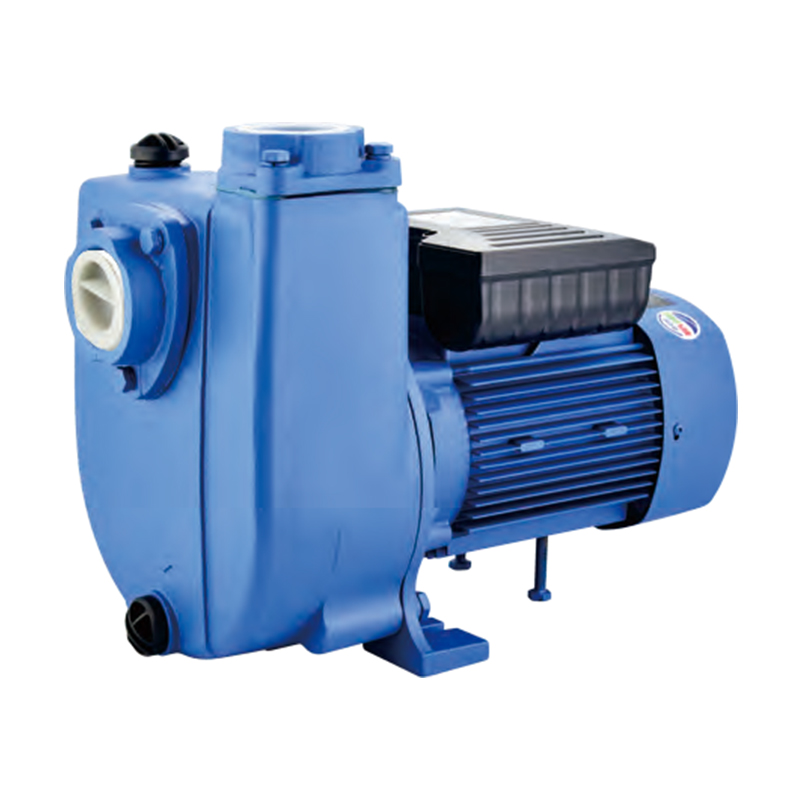
Which maintenance practices help improve stable operation of centrifugal water pumps
Keeping a Centrifugal Water Pump stable in operation is often more about routine attention than major repair work. Many issues start small and develop slowly, so consistency matters.
One of the key points is the suction side. If the inlet path becomes restricted or slightly unstable, the pump has to adjust constantly, and that can affect overall smoothness. Another point is air entry. Small leaks or loose connections may not be obvious, but they can still disturb flow behavior.
Mechanical condition also plays a role. If alignment shifts over time, vibration can increase gradually. This is not always noticeable immediately, but it becomes clearer during longer running periods.
Most maintenance work in practice is about noticing small changes early, instead of waiting for clear problems to appear.
How does system matching affect centrifugal water pump selection and overall efficiency
When the pump and system fit each other more naturally, the flow tends to feel more even, and the overall operation becomes easier to keep under control. It is less about pushing the pump to perform and more about letting the system and pump work without constant adjustment.
At this point, Caifu Pump Industry Co., Ltd. is sometimes referenced in discussions related to Centrifugal Water Pump application scenarios, especially when system conditions and pump selection need to be considered together.

Leave A Comment
Recommend Products


Copyright © Caifu Pump Industry Co., Ltd.

High Pressure Water Pump Manufacturer