

 ENG
ENG  русский
 Español
 عربى
عربىWhat Should You Know About a Submersible Water Pump in Daily Use and Selection
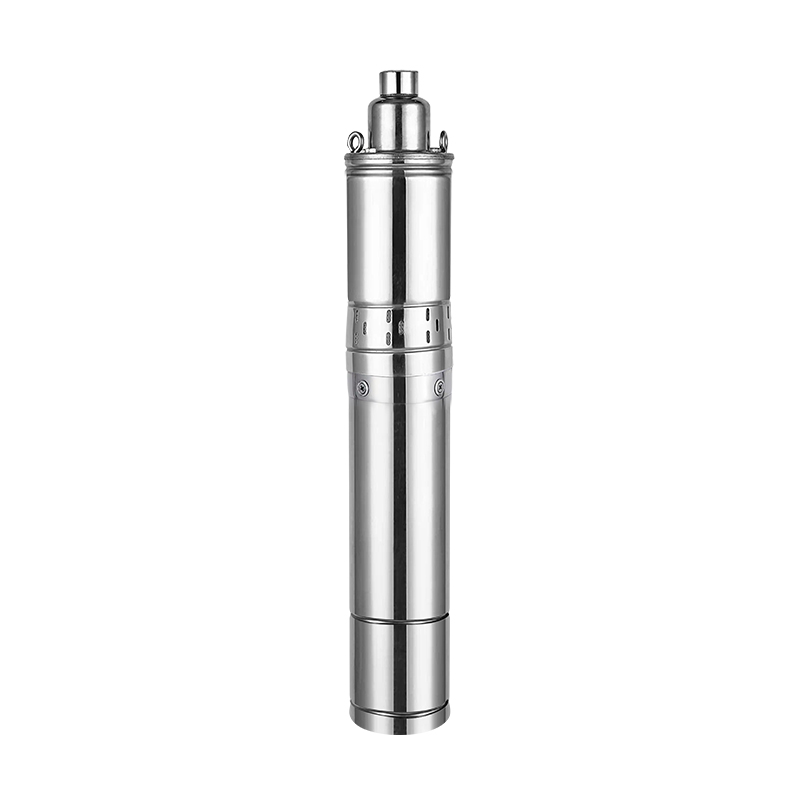
What Is a Submersible Water Pump and How Does It Move Water Below the Surface
A Submersible Water Pump works while placed under water, which makes it useful in places where moving water from below the surface is part of daily use. Instead of sitting outside the water source, the unit stays inside it and sends water upward through a connected pipe. That setup helps reduce air intake and keeps the flow steady in many common situations.
In simple terms, the device uses a sealed motor and an internal impeller to create movement. When the motor runs, water is pushed through the outlet and moved to the required spot. Because the body stays under water, the surrounding water also helps with cooling during use.
People often look at this type of equipment for places such as wells, tanks, basements, ponds, and irrigation spaces. The main idea is easy to grasp: place it where the water is, connect it properly, and let it move liquid from one point to another without complicated setup.
A few points usually matter most:
- the depth of the water source
- the kind of water being moved
- the pipe path after the unit
- the power supply and safety setup
For readers new to the topic, the key point is that this equipment is built for direct contact with water, not for dry placement near the source.
Why a Submersible Water Pump Can Be a Practical Choice for Home Farm and Garden Use
A Submersible Water Pump is often chosen when water needs to be moved from a source that sits below ground level or in a container. In home use, that may mean a basement drain, a water tank, or a private well. In garden and farm settings, it may support watering, transfer, or drainage tasks.
What makes it practical is the way it handles water close to the source. Since the unit stays in the liquid, there is less need for a long suction path. That can make the setup easier in many everyday situations. It also helps when the water source is not in an open, easy to reach place.
Different spaces call for different needs. A home user may want quiet operation and simple control. A farm user may care more about steady movement and handling changing water conditions. A garden user may focus on flexible placement and easy cleaning.
| Use case | Typical need | What people usually watch for |
|---|---|---|
| Home basement | Drain water away | Safe wiring and steady discharge |
| Garden area | Move clean water | Easy setup and stable flow |
| Farm space | Support watering tasks | Water source depth and pipe layout |
| Water tank | Transfer stored water | Clean intake and smooth operation |
Which Submersible Water Pump Type Works Well for Wells Basements and Water Tanks
| Location | Main task | Typical fit |
|---|---|---|
| Well | Bring water up from below ground | Deep placement and stable output |
| Basement | Remove unwanted water | Fast drainage and safe control |
| Water tank | Move stored water to another point | Simple transfer and easy handling |
The right match depends less on appearance and more on the working setting. A unit that suits one location may feel awkward in another if the flow path, water level, or drainage goal is different.
How to Choose a Submersible Water Pump for Clean Water Dirty Water and Deep Wells
A pump should be chosen with the water source in mind. Clean water, dirty water, and deep well use each bring different conditions, and the right choice depends on how the water will move and what it contains.
For clean water, the focus is usually on smooth flow and simple operation. In this case, people often want a unit that can move liquid without much resistance. For dirty water, the needs change. Small particles, mud, or light debris can affect how the inside parts perform, so the structure needs to handle that environment with more care. For deep wells, the main issue is lifting water from below the surface while keeping flow stable through the pipe.
A useful choice process can look like this:
- check the water condition first
- think about how deep the source is
- consider whether the path is short or long
- see whether the water will stay steady or change during use
- match the unit with the task instead of choosing by appearance alone
When people choose only by name or general label, they can end up with a setup that is not suited to the real work. A cleaner way is to begin with the water itself and then move toward the style that fits that setting.
This approach also helps when comparing options for regular home use, drainage, or well supply, because the working environment usually decides more than the outer look.
How to Install a Submersible Water Pump in a Simple and Safe Way
Installing the unit works best when the process is kept clear and orderly. The goal is not to make it complicated, but to make sure it is placed where it can work without strain.
A simple installation path often begins with the source itself. The water level, the depth, and the path to the outlet all need attention before the unit goes in. After that, the connection between the pump, the pipe, and the power supply should be checked with care so the setup stays stable during use.
A practical setup order may look like this:
- place the unit in the intended water source
- keep it positioned so the intake area is not blocked
- connect the discharge pipe firmly
- confirm the cable is protected and kept away from damage
- check that the unit is fully ready before starting it
A few safety habits matter during installation:
- keep wiring dry and protected
- avoid bent or strained cable lines
- make sure the outlet path is clear
- do not let the unit run without water around it
- inspect the connection points after placement
The installation stage shapes how the equipment behaves later. When the placement is neat and the connections are secure, the setup is easier to use and easier to maintain over time.
Where Can You Use a Submersible Water Pump in Daily Water Management
A submersible type unit is often used in many daily water handling situations where liquid needs to be moved from one place to another without complicated setup. Its working position under water makes it suitable for environments where water is already collected or stored.
In home settings, it may appear in basement drainage, storage tanks, or private water sources. In outdoor environments, it can support garden watering systems, small ponds, or irrigation paths. The flexibility comes from the fact that it can operate directly inside the water source rather than relying on external suction.
Common application areas include:
- indoor water removal from low spaces
- transfer of stored water between containers
- support for garden and plant watering systems
- circulation in small water features or ponds
- drainage tasks in enclosed spaces
Each use case depends on how water is collected and where it needs to go. The placement and pipe direction often decide how smooth the process feels during operation.
How to Maintain a Submersible Water Pump for Steady Performance Over Time
Regular care helps the equipment stay stable during repeated use. Maintenance is not complex, but it focuses on keeping water flow paths clear and preventing unnecessary strain on internal parts.
A simple routine usually includes checking the intake area, cleaning any visible debris, and inspecting the cable condition. If the unit is used in water containing particles, cleaning becomes more important to avoid blockage over time.
Key maintenance actions:
- remove dirt or small particles from intake openings
- check the pipe connection for looseness
- inspect cable surface for wear or damage
- ensure the unit is not blocked during operation
- keep storage conditions dry when not in use
The environment plays a major role in how often maintenance is needed. Cleaner water sources require less attention, while muddy or mixed water conditions may require more frequent checks.
What Are the Common Problems With a Submersible Water Pump and How Can You Avoid Them
Operational issues often come from usage conditions rather than the structure itself. Understanding these helps reduce interruptions during water movement tasks.
One common issue is blockage caused by small particles entering the intake area. This can reduce flow and affect performance. Another situation is running the unit without enough surrounding water, which may cause strain on internal parts. Electrical instability can also interrupt operation if the power supply is not stable.
| Situation | Possible cause | Prevention approach |
|---|---|---|
| Reduced water flow | Intake blockage | Clean intake regularly |
| Sudden stop | Electrical interruption | Check stable power supply |
| Weak output | Pipe restriction | Inspect pipe path |
| Irregular operation | Air entering system | Ensure full submersion |
When Should You Replace a Submersible Water Pump and What Signs Should You Watch For
Replacement is usually considered when performance changes become noticeable during normal use. Instead of focusing on a fixed time, it is more practical to observe how the unit behaves in real conditions.
Signs may include reduced water movement, longer time needed to transfer liquid, or frequent interruptions during operation. If cleaning and basic checks no longer improve performance, it may indicate internal wear.
Situations that may suggest replacement:
- consistent drop in water flow
- repeated stopping during operation
- unusual noise during use
- visible damage to external parts
- frequent need for repair or adjustment
Environmental conditions also influence how long the equipment stays stable. Harsh water conditions or heavy use can shorten functional life compared to cleaner and lighter workloads.
What Safety Tips Should You Follow When Using a Submersible Water Pump
Safety during operation is mainly related to electrical handling and correct placement in water. Since the unit works in a wet environment, careful setup is important before starting use.
One key point is ensuring proper insulation of all electrical connections. Another is confirming that the unit is fully placed in water before operation begins. Keeping cables organized and away from sharp edges also helps reduce risk during use.
Important safety practices:
- keep electrical connections dry and insulated
- avoid running the unit outside water
- use stable and protected power sources
- prevent cable tension during placement
- ensure water level is sufficient before starting
Proper handling at the beginning of use usually reduces most operational risks later. Careful setup and simple checks are often enough to keep the system stable in everyday conditions.

Leave A Comment
Recommend Products


Copyright © Caifu Pump Industry Co., Ltd.

High Pressure Water Pump Manufacturer