

 ENG
ENG  русский
 Español
 عربى
عربىWhy Is a Peripheral Centrifugal Pump Used for Boosting
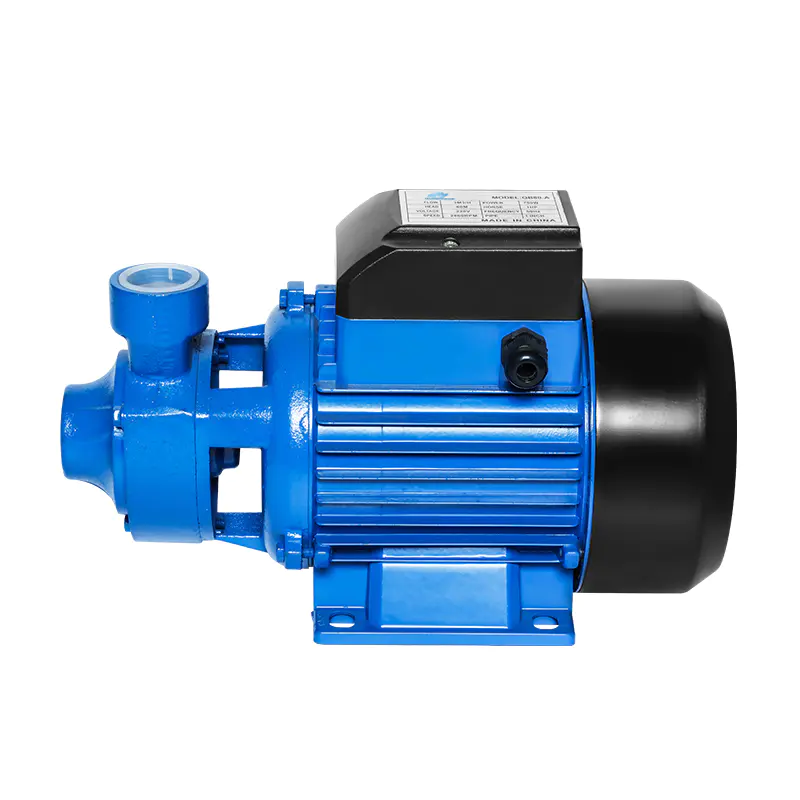
Low water pressure is often noticed during ordinary routines. A shower becomes weak when a kitchen tap is opened, an upstairs basin fills slowly, or an appliance receives an uneven water supply. A Peripheral Centrifugal Pump can add pressure in systems that match its operating characteristics. Its compact structure suits many domestic and small-property installations, though pump selection should follow an inspection of the water source, pipework, and actual demand.
Why Does Water Pressure Become Weak?
Water loses pressure as it travels through pipes, fittings, valves, filters, and changes in elevation. Long pipe runs, narrow sections, old internal surfaces, and repeated bends can make these losses more noticeable.
Demand also changes throughout the day. One tap may work normally on its own, then lose flow when a shower or washing appliance begins drawing water from the same supply branch.
Common causes include:
- A partially closed isolation valve
- Sediment inside a filter or strainer
- Scale or corrosion in older pipework
- A leaking pipe or fitting
- A restricted inlet connection
- An unstable water source
- Several outlets operating together
- An outlet positioned above the supply point
- A poorly arranged pipe network
A pump should not be used to hide a blockage or leak. Repairing the original fault may restore normal delivery without adding pumping equipment.
How Does a Peripheral Centrifugal Pump Raise Pressure?
A Peripheral Centrifugal Pump uses a rotating impeller to transfer mechanical energy to water. Water enters near the impeller area, moves through a narrow internal passage, and leaves through the discharge connection with added pressure.
The peripheral flow path allows energy transfer to occur as water moves around the impeller channel. This construction is useful where moderate water movement needs to be combined with a noticeable pressure increase.
| Pump Function | Role Within the System |
|---|---|
| Water entry | Receives water from the source or supply pipe |
| Impeller movement | Transfers energy from the motor to the water |
| Pressure development | Supports delivery through downstream pipework |
| Discharge connection | Directs water toward the intended outlets |
| System integration | Works with valves, controls, tanks, and pipes |
The result depends on inlet conditions as well as pump operation. A pump cannot deliver stable water if its inlet is starved, blocked, or repeatedly filled with air.
Why the internal structure matters
Peripheral pumps usually use narrow internal clearances and defined flow passages. These features support pressure development but also make clean water and correct installation important.
Sand, rust flakes, construction debris, and other particles can interfere with internal surfaces. A suitable inlet strainer may be needed where the water source could contain unwanted material.
Where Can This Pump Structure Be Useful?
This pump type is commonly considered for clean-water duties where the required flow is not unusually large. Typical settings include household supply branches, small properties, storage-tank systems, and water delivery to compatible equipment.
The application still needs individual assessment. A pump suitable for a single bathroom branch may not suit a property where many outlets operate together for long periods.
Possible uses include:
- Supporting water delivery to an upper floor
- Boosting a selected bathroom or kitchen branch
- Moving clean water from a storage tank
- Supplying compatible washing or heating equipment
- Supporting water use in a small workshop
- Serving garden taps where the water source is suitable
- Improving delivery along a long pipe run
The word “boosting” does not mean that any pump can be connected to any incoming pipe. Local water rules may restrict direct pumping from a public main, making a break tank or another approved arrangement necessary.
Why Is Compact Construction Helpful?
Pump equipment is often installed in utility rooms, cupboards, sheltered service areas, or spaces near a storage tank. A compact casing can fit into these settings without taking over the area.
Space around the unit must still be preserved. Installers need access to pipe unions, electrical connections, priming points, drain points, and parts that require inspection.
A workable installation allows room for:
- Connecting and disconnecting the inlet pipe
- Reaching the outlet valve
- Checking for leakage around joints
- Priming the pump when required
- Inspecting the motor and electrical cable
- Cleaning a strainer or filter
- Removing the unit without cutting nearby pipework
Placing a pump tightly against a wall may save space during installation but make later service awkward. A small pump still needs ventilation, stable support, and practical tool access.
Can It Improve Household Water Pressure?
A Peripheral Centrifugal Pump may help when the available supply is steady but lacks enough pressure for an intended outlet. It can be useful where elevation, pipe length, or routine demand reduces the water delivery experienced by occupants.
The pump should be placed in the part of the system that serves the affected area. Boosting one branch is often more practical than changing pressure throughout a property when only a bathroom or upper floor has a problem.
Start with the symptoms
The way pressure changes can reveal where the fault may be located. A single weak tap suggests a local issue, while several weak outlets may point to a shared supply problem.
Useful observations include:
- Which outlets are affected
- Whether hot and cold water behave differently
- Whether the problem changes during busy periods
- Whether flow drops when another tap opens
- Whether the problem appeared suddenly or gradually
- Whether unusual pump, valve, or pipe noise is present
A blocked tap aerator can resemble a pressure problem. Removing and inspecting the aerator is a practical early check, provided the user follows the fixture instructions.
Consider the water source
A booster needs an adequate supply of water. If it draws from a tank, the tank outlet, water level, and refill arrangement must support the intended demand.
If the source runs low, the pump may draw air or operate without enough water. Dry running can damage internal parts, so suitable protection may be required.
How Does Elevation Affect Water Delivery?
Water delivered to an upper level must overcome the vertical distance between the source and the outlet. Pressure available downstairs may therefore feel different from pressure at an upstairs shower.
Pipe friction adds another loss along the route. Long horizontal runs, small pipe sections, elbows, check valves, and partially blocked fittings can all influence the final result.
A pump can add pressure, but its location matters. An installer should consider the distance from the water source, the height of the intended outlets, and the condition of the pipework before choosing a model.
What Happens When Several Outlets Operate Together?
Household demand changes when people shower, wash dishes, fill containers, or operate water-fed appliances at the same time. The available water is then divided among several paths.
A pump selected around one open tap may behave differently during shared use. The system review should reflect the combinations that occur in the property rather than an unusual scenario that rarely happens.
| Water-Use Situation | Practical Design Focus |
|---|---|
| One outlet in use | Steady delivery without unnecessary cycling |
| Several outlets open | Combined demand and pipe capacity |
| Upper-level outlet | Elevation and route length |
| Short periods of use | Reliable starting and stopping |
| Longer operating periods | Motor duty and heat management |
| Changing demand | Suitable control and pressure response |
The pipe network also affects how water is shared. A narrow common branch can restrict delivery even when the pump is capable of adding pressure.
Why Is Pump Matching Important?
Pump selection involves pressure and flow together. A model may produce useful pressure under one operating condition but supply a different flow after it is connected to real pipework.
The chosen operating point should fall within the pump’s intended working range. Manufacturer curves and technical documents help qualified installers compare pump behavior with system resistance.
A system review should cover:
- Available inlet pressure
- Required outlet pressure
- Expected water demand
- Vertical distance
- Pipe diameter and condition
- Number of bends and valves
- Water temperature
- Water cleanliness
- Pump operating periods
- Start-and-stop frequency
- Applicable plumbing rules
Selecting from a single label or headline specification can produce disappointing results. The complete water path determines how the pump behaves after installation.
An oversized pump can create new problems
Adding more pressure than the system needs can cause noisy pipework, abrupt valve operation, leakage, or frequent switching. Older fittings and flexible hoses may not be intended for the changed conditions.
Pressure controls, relief arrangements, and pipe ratings need to suit the installation. Pump selection should remain within the limits of every connected component.
An undersized pump may not change the experience
A pump with insufficient capability may run while producing little improvement at the outlet. The user may then keep it operating for longer periods, adding wear without solving the original complaint.
This is another reason to inspect the system before buying equipment. A pressure and flow assessment gives more useful information than judging the problem from appearance alone.
What Controls Can Be Used With a Booster Pump?
A basic pump may require manual operation, while a household booster arrangement often uses controls that respond to water demand. The chosen method should suit the pump and the way occupants use the outlets.
Possible components include:
- A pressure switch
- A flow-sensitive controller
- A pressure vessel
- A check valve
- Dry-running protection
- Isolation valves
- An inlet strainer
- Electrical overload protection
A pressure vessel can help reduce rapid switching during small water draws. Control settings and vessel condition should be checked by someone familiar with the system.
Frequent starting and stopping is worth investigating. It may come from a leak, a poorly adjusted control, a faulty check valve, a vessel issue, or a mismatch between the pump and household demand.
What Installation Conditions Affect Operation?
Even a correctly selected Peripheral Centrifugal Pump can operate poorly when connected carelessly. Pipe strain, trapped air, poor inlet conditions, and unsuitable mounting may cause noise or unreliable delivery.
The pump should sit on a firm, level support. Connected pipes should be independently supported rather than using the pump casing to carry their weight.
Inlet pipework requires care
The inlet side should offer a clear water path. Unnecessary bends, narrow fittings, air leaks, and blocked strainers can reduce the water available to the impeller.
A suction arrangement may need priming before operation. The casing and inlet pipe must contain water according to the product instructions, since a peripheral pump is not automatically able to clear every air-filled pipe arrangement.
Outlet components need suitable positions
An isolation valve near the discharge side can make maintenance easier. A check valve may be required to prevent reverse flow, though its location should follow the system plan and pump instructions.
Valves should not be used casually to force an unsuitable pump into another operating condition. Restriction affects pump behavior and may contribute to heat, noise, or inefficient operation.
Electrical work needs appropriate protection
Water and electricity require careful separation. The supply, earthing arrangement, protective device, cable routing, and enclosure should suit the installation environment.
Electrical work should follow local requirements and the equipment documentation. Outdoor or damp-area installations may need added protection from rain, condensation, accidental splashing, and physical damage.
How Can Noise and Vibration Be Reduced?
Pump noise can travel through rigid pipes, floors, walls, and cabinets. A quiet motor can still seem intrusive when vibration is transferred into the building structure.
Firm mounting, correct alignment, supported pipes, and suitable flexible connections can reduce transmitted vibration. Flexible components must be rated for the water conditions and installed without twisting or sharp bending.
Noise may also reveal a problem. Rattling, grinding, irregular humming, or a sound similar to gravel moving through the casing can indicate air entry, poor inlet conditions, internal wear, or cavitation.
A sudden change in sound deserves attention. Continuing to run a pump while it sounds abnormal may turn a manageable fault into a larger repair.
What Maintenance Does a Booster Pump Need?
Routine inspection helps identify leakage, corrosion, loose connections, and changes in operating sound. Maintenance frequency depends on the water source, environment, usage pattern, and manufacturer’s instructions.
Useful checks include:
- Looking for moisture around seals and threaded joints
- Cleaning accessible strainers
- Checking that ventilation openings remain clear
- Listening for a change in motor or water noise
- Inspecting cables and controls for visible damage
- Confirming that the pump starts and stops normally
- Watching for rapid cycling
- Checking nearby pipes for movement
- Protecting the installation from freezing conditions
The electrical supply should be isolated before maintenance. Pressure may remain inside the pipework after power is removed, so valves and drain points need careful handling.
A pump that has remained unused may need inspection before being returned to service. Internal sticking, stale water, corrosion, or a dry casing can affect startup.
When Is a Peripheral Pump Not a Suitable Choice?
A peripheral pump is not intended to correct every water-system problem. Applications involving dirty water, solids, abrasive particles, or unusually large flow demand may require another pump structure.
It may also be unsuitable when the inlet supply cannot provide enough water. Installing a pump on a weak source can create air entry, dry running, or disruption elsewhere in the system.
Other situations requiring further assessment include:
- Wastewater or sewage movement
- Water containing sand or suspended debris
- Chemical liquids
- Water outside the permitted temperature range
- Large irrigation networks
- Fire protection systems
- Public-main connections restricted by local rules
- Systems with damaged or undersized pipework
The liquid, duty pattern, and installation conditions should agree with the pump documentation. Similar-looking pumps are not necessarily interchangeable.
How Can a Homeowner Assess the Problem?
A few observations can help explain the issue before an installer arrives. They also reduce the chance of purchasing a pump for a fault that lies elsewhere.
A practical assessment can follow these steps:
- Open each affected outlet separately and observe the flow.
- Compare outlets on different floors or branches.
- Check what happens when another tap is opened.
- Inspect accessible valves to confirm they are not partly closed.
- Look for visible leaks, damp patches, or pipe damage.
- Clean accessible outlet aerators and filters where appropriate.
- Note whether the issue affects hot water, cold water, or both.
- Record unusual noise, vibration, or changes during the day.
- Identify the water source and any storage tank in the system.
- Have pressure, flow, and pipe condition checked before selection.
These observations do not replace a technical assessment. They provide useful context for deciding whether pressure boosting addresses the actual cause.
Practical Role of a Peripheral Centrifugal Pump
A Peripheral Centrifugal Pump can suit pressure-boosting work where clean water, moderate demand, compact installation, and added delivery pressure are involved. Its value comes from matching the pump to a real water system rather than treating it as a universal answer to weak flow.
The water source, inlet conditions, elevation, pipe restrictions, controls, and usage pattern all affect the outcome. When those factors are checked carefully, the pump can support steadier household water delivery while keeping the installation understandable and serviceable.

Leave A Comment
Recommend Products


Copyright © Caifu Pump Industry Co., Ltd.

High Pressure Water Pump Manufacturer