

 ENG
ENG  русский
 Español
 عربى
عربىHow Can Water Peripheral Booster Pumps Improve Water Flow
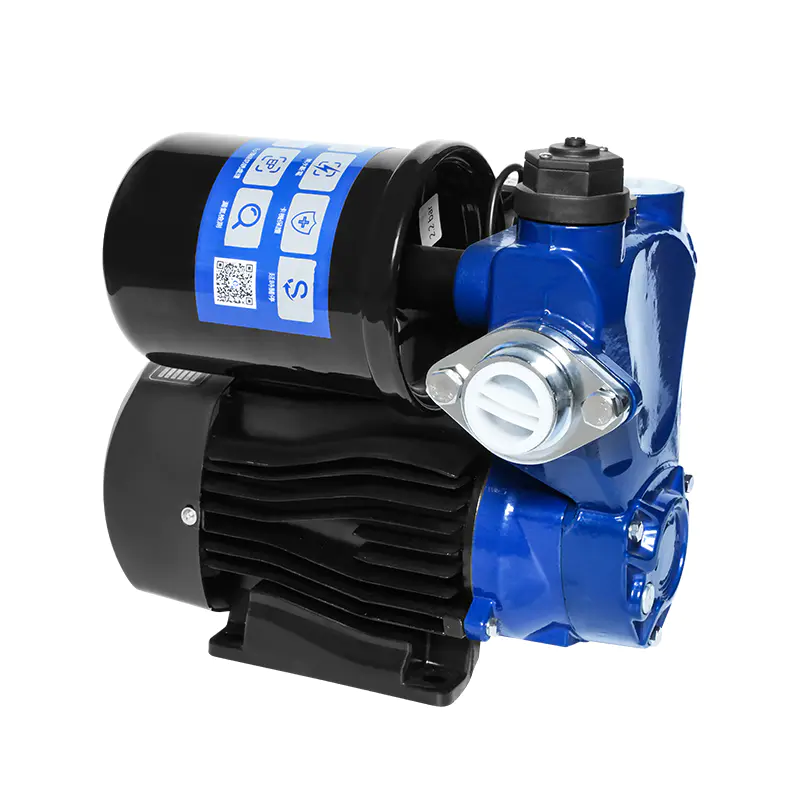
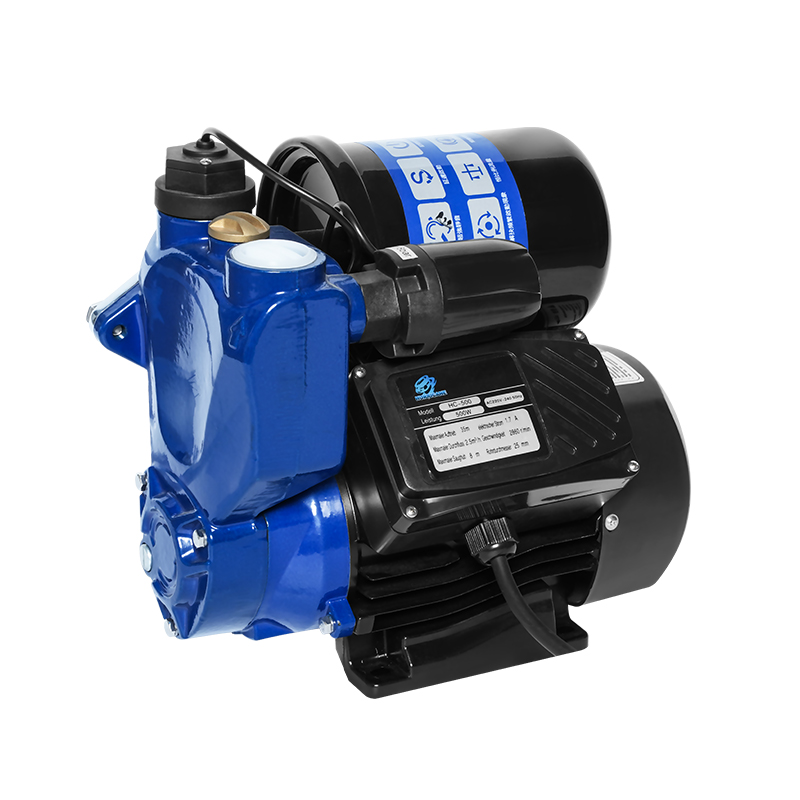
A homeowner standing in the shower while someone runs the kitchen tap downstairs, watching the water pressure drop to a trickle at exactly the wrong moment, is dealing with precisely the everyday frustration that a Water Peripheral Booster Pump gets called in to fix. A Water Peripheral Booster Pump is mainly distinguished by the way it supports small-scale water supply and pressure improvement needs around a property. Unlike pumps selected mainly for moving water from one location to another, this type is often considered when users want a genuinely more consistent water supply in homes, gardens, workshops, and small facilities.
Water pumps can look genuinely similar from the outside, yet their intended roles may be genuinely quite different once you look closer. Some are designed around water intake from a source. Others get used to support water delivery across a building or property already connected to supply. Certain pump designs are also chosen because they can fit into genuinely smaller installation spaces tucked under a sink or beside a tank.
This makes pump selection genuinely more than a question of choosing a product with enough power behind it. The source of the water, the distance it needs to travel, the number of outlets, and the installation environment all genuinely influence the decision a buyer needs to make.
For users comparing different pump solutions side by side, understanding these differences can make the selection process genuinely easier from the start.
How a Water Peripheral Booster Pump Works in Everyday Applications
A Water Peripheral Booster Pump is commonly used when an existing water supply needs additional support for genuinely everyday delivery. It can help improve the way water reaches taps, outlets, garden areas, or other points where the existing supply may genuinely feel insufficient during peak use.
Residential water systems provide a genuinely simple example most people recognize. A house may have several water outlets, and the available supply may not feel genuinely consistent when several outlets get used around the genuinely same time, like a shower and washing machine running together.
A booster pump can get considered when the goal is supporting water delivery, rather than creating an entirely new water source from scratch.
The same idea can apply to small commercial properties as well. Workshops, small stores, agricultural buildings, and service areas may have water needs that are genuinely greater than the existing supply can comfortably handle during busy hours.
The pump is therefore connected to a genuinely practical problem worth stating plainly: how can water reach the place where it's needed in a genuinely more convenient way?
| Application | Common Water Need |
|---|---|
| Residential homes | Support for daily water use |
| Small gardens | More convenient water delivery |
| Workshops | Water supply for routine tasks |
| Small commercial spaces | Support for multiple outlets |
| Small agricultural areas | Water movement for local use |
The surrounding system still matters considerably here. A booster pump cannot compensate for every water supply problem a property might have.
If the water source is unreliable, the pipeline has a blockage, or the system is genuinely poorly arranged, adding a pump may not solve the underlying issue causing the trouble.
This is why users should understand the water supply situation genuinely before deciding which pump type fits the application at hand.
How a Self-Priming Jet Water Pump Is Different
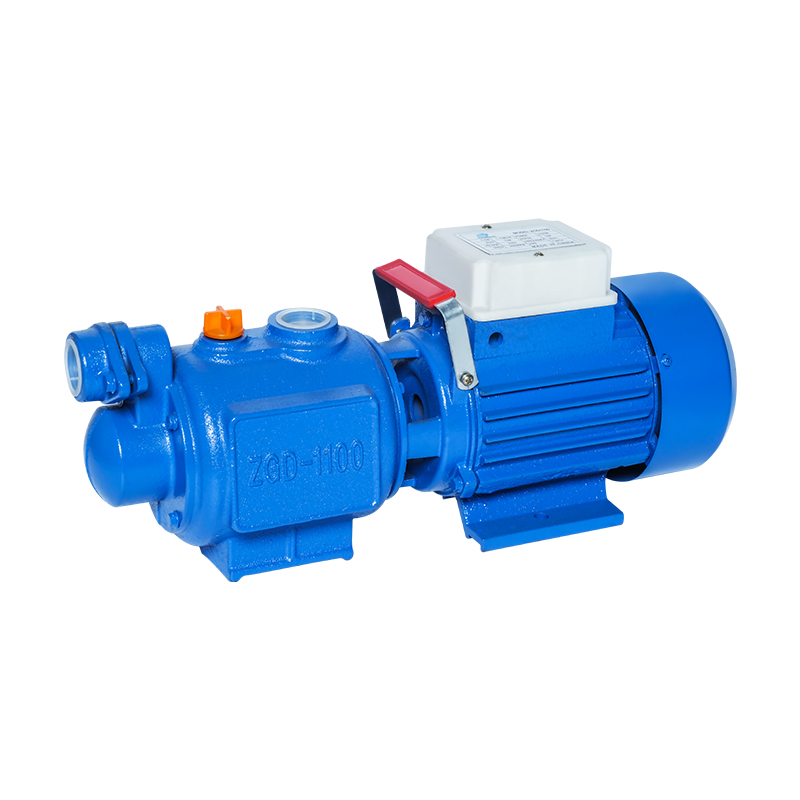
A self-priming jet water pump is generally considered when water needs to get drawn from a source and delivered to another location entirely. Its role can therefore genuinely differ from a pump that's mainly used to support an existing water supply already flowing through pipes.
Water intake can be genuinely important for homes using wells, tanks, or other local water sources instead of a municipal connection. In these situations, the pump needs to work with the way water actually enters the system from that source.
The source itself can genuinely influence the choice made. A shallow water source, storage tank, or local supply arrangement may create genuinely different requirements from a simple household pipeline already under pressure.
Users also need to consider how the pump will actually get installed. The location of the water source, the distance between the pump and the source, and the surrounding space can all affect genuinely practical installation decisions.
This type of pump can prove useful when the main challenge is genuinely getting water from a source into the supply system in the first place.
That makes its role genuinely different from a booster arrangement handling water that's already there.
A useful way to understand the difference is asking one genuinely simple question worth sitting with: is the main problem getting water into the system, or does the system already have water but need more support during delivery to the tap?
The answer can guide the genuinely next stage of pump selection for that property.
Why a Peripheral Centrifugal Pump Gets Considered for Small Water Systems
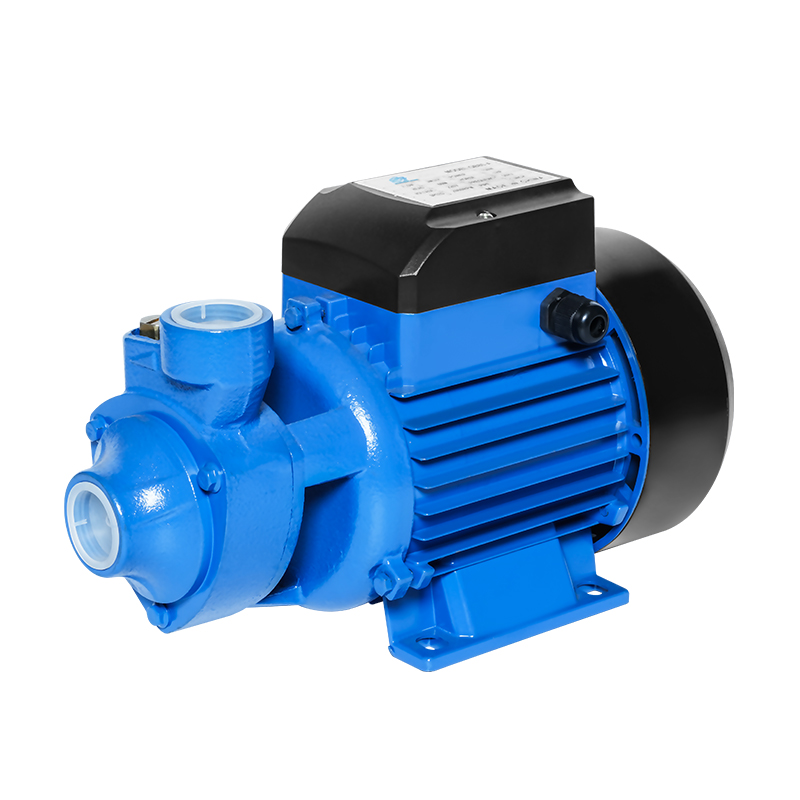
A Peripheral Centrifugal Pump can get considered for smaller water supply arrangements where compact equipment and routine water movement are genuinely important. It may appear in applications that don't require a genuinely large pumping installation taking up space.
Small water systems often have genuinely straightforward needs to meet. A home garden, small workshop, storage area, or local utility system may not need a genuinely complicated pumping arrangement to function well.
In these settings, the pump's physical size and installation requirements can become genuinely important purchasing factors worth weighing.
A compact pump can be genuinely easier to place near an existing water source or pipeline tucked in a corner. This can prove useful where available space is genuinely limited around the property.
The application also matters considerably here. A small system may only need water for household use, garden watering, cleaning, or other genuinely routine tasks around the place.
| Pump Selection Question | Why It Matters |
|---|---|
| Where does the water come from? | Determines the type of intake arrangement |
| Where does the water need to go? | Helps define the delivery requirement |
| How many outlets are used? | Shows how the supply is shared |
| Where will the pump be installed? | Influences size and accessibility |
| How often is it used? | Helps guide product selection and maintenance |
The term centrifugal may sound genuinely technical at first glance, but the practical point is genuinely simple once explained. Different pump designs move water in genuinely different ways, and their construction can make them genuinely more suitable for certain applications than others.
For a small water supply system, the right choice is often genuinely the one that matches the actual need, without creating unnecessary installation or maintenance work down the line.
What the Main Differences Are Between These Pump Types
The main difference between these pump types is their genuinely intended role within a water supply system as a whole. One may be genuinely better suited to drawing water from a source, another to supporting delivery, while another may fit compact local water systems tucked into tight spaces.
The distinction becomes genuinely clearer when the pumps get viewed through everyday applications people actually encounter.
| Consideration | Self-Priming Jet Water Pump | Water Peripheral Booster Pump | Peripheral Centrifugal Pump |
|---|---|---|---|
| Main role | Water intake and delivery | Water supply support | Small-scale water movement |
| Typical setting | Local water sources | Existing supply systems | Compact water systems |
| Residential use | Suitable for source-based systems | Useful for supply support | Suitable for routine local use |
| Garden use | Can support source-based watering | Can support existing water lines | Can suit smaller irrigation needs |
| Installation focus | Water source and intake | Existing pipeline and outlets | Space and system arrangement |
This comparison isn't a substitute for product selection guidance from a qualified supplier who knows the property firsthand. Actual suitability depends genuinely on the water source, pipeline arrangement, installation environment, and intended use in that specific case.
The comparison does show why a genuinely single pump category cannot cover every application out there.
A household drawing water from a local source may have genuinely different needs from a home that already receives water but experiences weak delivery at the tap.
A small commercial facility may have several outlets and require a genuinely different approach again entirely.
When a Booster Pump Is Useful for Residential Water Supply
A booster pump proves useful for residential water supply when the existing system has water available but doesn't provide the genuinely desired delivery experience at the outlet. The issue may become genuinely noticeable when several household outlets are being used, or when water needs to reach genuinely different parts of the property.
Bathrooms, kitchens, outdoor taps, washing areas, and garden connections can all place genuine demands on a household water system running simultaneously.
A home may also have different levels or separate areas that make water distribution genuinely less convenient without support.
In these situations, the pump gets considered as part of the genuinely wider water supply arrangement already in place. The goal isn't simply adding pumping equipment for its own sake. The goal is improving how the existing supply reaches the places where it's genuinely needed most.
Installation conditions should get checked before purchase, not after.
The pump may need to get positioned close to existing pipework already running through the house. There should also be genuinely enough space for inspection and cleaning down the road.
Noise can be another genuinely practical consideration in residential settings where people sleep and relax. Equipment placed near bedrooms, kitchens, or living areas should get selected with the surrounding environment genuinely in mind.
Ease of maintenance also matters considerably here. A pump that's genuinely difficult to access can create unnecessary work later when something needs checking.
For homeowners, a simple assessment can include several points worth walking through.
- Where the water supply currently enters the property
- Which outlets experience supply problems
- Whether the issue occurs continuously or only during busy periods
- Where a pump could be installed
- How the pump could be inspected or serviced
These questions can help separate a genuine booster requirement from a pipeline or water-source problem masquerading as something else.
How These Pumps Fit Garden Irrigation
Garden irrigation often requires a pump that genuinely matches the water source, garden size, and watering arrangement already planned out. A small garden may only need local water delivery, while a larger property can have several watering areas connected to the genuinely same supply running throughout.
A pump can help move water from a tank, storage container, or existing water system toward outdoor watering points scattered across a yard.
The water source is particularly important to identify first. Rainwater collection systems, storage tanks, wells, and household water supplies don't operate in genuinely exactly the same way as each other.
Garden layouts can also affect selection considerably. Long outdoor pipe runs, raised planting areas, and multiple watering points can make water delivery genuinely more complicated to manage.
For small gardens, a compact pump may be genuinely easier to install near the source without much fuss.
The surrounding environment should also get considered carefully before installation. Outdoor equipment may be exposed to rain, dust, sunlight, soil, and seasonal changes throughout the year.
Protection from unnecessary moisture and dirt can help make maintenance genuinely easier down the line for whoever tends the garden.
Users should also think about how often the pump will actually get used through the seasons. A garden watered occasionally has genuinely different practical needs from a property where irrigation is part of a genuinely regular routine every week.
The pump should fit the watering system already in place, rather than forcing the garden layout to adapt around the pump itself.
What Small Commercial Systems Should Consider
Small commercial systems should consider water demand, outlet locations, installation space, operating frequency, and maintenance access before selecting a pump for daily use. A small business may not require a genuinely large water installation, but its needs can still be genuinely more varied than those of a single household nearby.
A workshop may need water for cleaning and routine work throughout the day. A small food service area may have several outlets running at once during service. A plant nursery may require water across genuinely different sections spread across a lot.
The number of outlets can genuinely influence the selection made. So can the distance between the water source and the areas where water is genuinely needed most.
Commercial users also tend to place genuinely greater emphasis on maintenance, because equipment downtime can interrupt daily operations and cost real money.
A pump that's genuinely difficult to inspect may create genuinely more work for staff already stretched thin.
Installation access should therefore get planned at the genuinely same time as the pump location itself.
| Commercial Consideration | Practical Question |
|---|---|
| Water demand | How much water does the facility normally need? |
| Outlet arrangement | Where are water outlets located? |
| Installation space | Can the pump be accessed easily? |
| Operating routine | How frequently will the pump be used? |
| Maintenance | Can staff inspect the pump without disrupting work? |
A small system doesn't necessarily mean a genuinely simple decision gets made without thought.
The right pump needs to fit the way the business actually uses water day to day.
How Installation Affects Pump Selection
Installation conditions can determine whether a pump is genuinely convenient to use, because space, pipe layout, water source position, and maintenance access all affect the final arrangement that gets built. A pump that appears genuinely suitable in a product description may still prove inconvenient if the installation area is genuinely poorly planned from the start.
The location should get checked before purchase, ideally with a tape measure in hand.
Users can identify where the water enters the system, where the pump could get placed, and how the connected pipes would genuinely get arranged around it.
The surrounding area should remain genuinely accessible after installation. Pumps require inspection and occasional maintenance, so placing equipment behind fixed objects can create genuine problems later when something needs attention.
Electrical access may also need genuine consideration for powered equipment running near water. The installation should follow appropriate local safety requirements without shortcuts.
Outdoor installations require genuinely additional attention to weather exposure through the seasons.
Noise can matter here as well, more than people expect. Equipment installed near occupied spaces should get selected with the surrounding environment genuinely in mind from the outset.
Good installation planning doesn't need to be genuinely complicated to get right. A simple site check can prevent genuinely many practical problems down the road.
What Maintenance Differences Users Should Know
Maintenance needs can genuinely differ according to pump type, installation environment, water quality, and frequency of use across different properties. A pump used occasionally in a clean indoor environment may require a genuinely different maintenance routine from one operating outdoors or handling water containing impurities.
Regular visual inspection proves genuinely useful for catching problems early.
Users can look for unusual sounds, visible leakage, loose connections, moisture around the pump, or changes in genuinely normal operation that weren't there before.
The water source should also get checked periodically. Dirt or unwanted material entering the system can affect the pump and connected pipework over time.
Outdoor pumps may need genuinely more frequent attention because dust and moisture can accumulate around the equipment left exposed.
Storage systems should also get kept in genuinely suitable condition throughout use. A pump connected to a tank or local water source is part of a genuinely larger system, so maintenance shouldn't focus on the pump alone in isolation.
Simple maintenance habits can include several steps worth building into a routine.
- Keep the surrounding area clean
- Check visible connections regularly
- Look for signs of leakage
- Keep the pump accessible
- Monitor changes in normal operation
- Address unusual conditions before they develop into larger problems
Maintenance is genuinely easier when the pump has gotten installed in a location that allows people to reach it safely without hassle.
How Users Should Choose Between Different Pump Solutions
Pump selection should begin with the actual water need at hand, rather than the product name printed on a box. The genuinely useful questions concern the water source, delivery requirement, installation environment, intended application, and maintenance routine that fits the property.
A household drawing water from a local source may genuinely need a pump designed around water intake specifically.
A home with an existing supply but genuinely insufficient delivery may look at a booster arrangement instead.
A small garden or local water system may need a genuinely compact solution that fits its available space without crowding it.
A small commercial facility may require genuinely more attention to regular operation and maintenance access given daily use.
The selection process can get organized around five genuinely practical areas worth working through in order.
- Water source: Identify where the water comes from and whether the source is stable
- Water delivery: Consider where the water needs to go and how the supply is distributed
- Application: Decide whether the pump will support household use, irrigation, workshop activities, or another purpose
- Installation: Check space, pipe connections, surrounding conditions, and access for maintenance
- Long-term use: Consider how frequently the pump will operate and how easily it can be inspected
This approach helps users compare different pump categories according to their genuinely real needs on the ground.
A pump should fit the water system already in place, not simply the other way around. For residential supply, garden irrigation, and small commercial applications, understanding the difference between source-based pumping, booster support, and compact water movement can make the selection process genuinely clearer and more practical for anyone standing in that hardware aisle trying to decide.

Leave A Comment
Recommend Products


Copyright © Caifu Pump Industry Co., Ltd.

High Pressure Water Pump Manufacturer