

 ENG
ENG  русский
 Español
 عربى
عربىHow Are Peripheral Centrifugal Pumps Saving Energy
Energy use has settled into a real part of equipment selection across modern water supply systems, not just an afterthought tacked onto a spec sheet. A pump might sit quietly in the background of a building, but its repeated running still shows up in how much energy a facility burns through during normal service.
That reality has pushed manufacturers and system designers to look past basic water transfer performance alone. A Peripheral Centrifugal Pump now gets weighed not only as a pumping component on its own, but as one piece of a broader approach to energy-conscious system design.
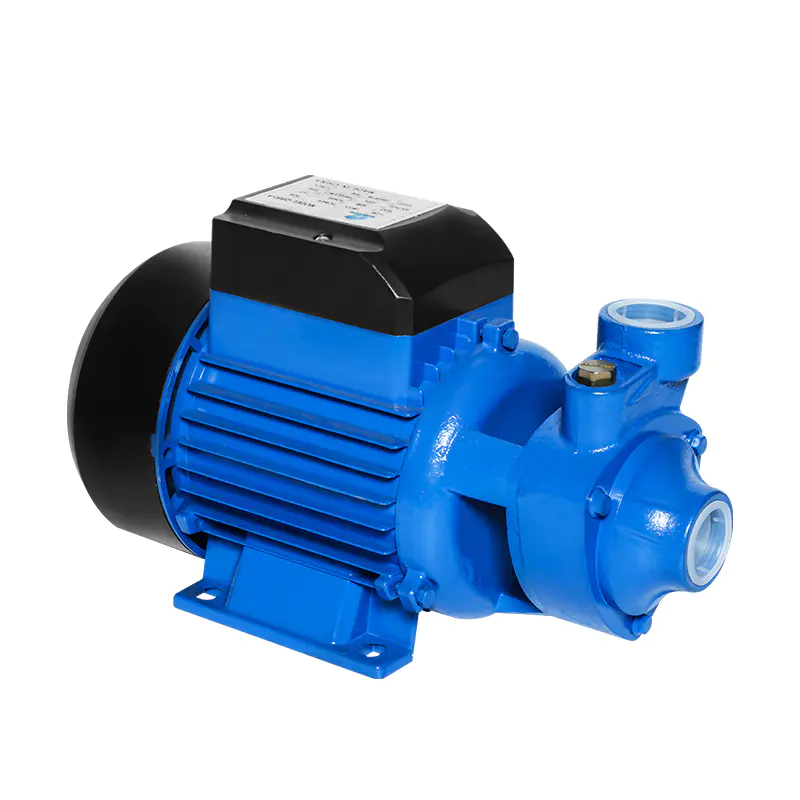
The focus has been drifting toward better motor matching, more suitable operating control, cutting back on unnecessary running time, and tighter coordination between the pump and the wider water supply system around it. Energy saving rarely comes from changing just one component in isolation.
It tends to grow out of several smaller design decisions working together rather than any single breakthrough. For pump manufacturers, that opens room to rethink motor matching, control methods, internal structure, and product applications without turning everyday operation into something needlessly complicated.
Why Is Energy Efficiency Becoming More Important for Peripheral Centrifugal Pump Systems?
A water supply system rarely needs the same amount of pumping activity around the clock. Demand shifts through the day, and different applications call for different levels of water movement depending on who's using it and when.
If a pump keeps running the same way regardless of demand, part of that energy use ends up disconnected from the actual water supply task at hand. That mismatch has made energy-conscious operation a real factor in pump selection rather than a nice-to-have.
| System Condition | Energy-Saving Consideration |
|---|---|
| Changing water demand | Adjust operation according to actual needs |
| Regular daily use | Avoid unnecessary running |
| Intermittent supply | Match pumping with usage |
| Residential water supply | Support convenient automatic control |
| Small equipment systems | Select a suitable pump arrangement |
A Peripheral Centrifugal Pump works well in applications where a compact pumping arrangement fits the space available. How suitable it actually is still comes down to the real requirements of the system it's dropped into.
Picking a pump simply because energy saving sounds like a good general goal misses the practical part of the decision. The complete system needs consideration, including water demand, pipe arrangement, motor selection, control method, and how the equipment gets maintained over time.
Looking at the picture this way helps keep energy-saving decisions from turning into isolated product purchases made without much context.
How Can High-Efficiency Motors Change Pump Energy Use?
The motor plays a central role in a pump system because it supplies the energy that drives the pumping mechanism in the first place. If the motor and pump aren't well matched to each other, energy gets spent without producing the operating result someone actually wanted.
Manufacturers have been paying closer attention to how motor design and pump structure relate to one another as a result. A motor that suits the pump should line up with the way that pump is actually expected to run day to day.
| Motor Design Focus | Possible System Benefit |
|---|---|
| Suitable motor selection | Better coordination with pump operation |
| Efficient energy conversion | Helps reduce unnecessary energy use |
| Stable operation | Supports consistent water supply |
| Suitable control compatibility | Allows more flexible operation |
| Practical maintenance | Helps preserve operating condition |
The point isn't just to slap on a motor labeled efficient and call it done. The motor needs to work naturally with the pump and with the application it's serving out in the field.
A pump used for intermittent water supply can have different requirements from equipment that runs repeatedly throughout the day without much of a break. Manufacturers can factor in the expected working pattern while developing how the motor and pump come together as a pair.
That kind of thinking tends to produce a system where energy use tracks closer to actual demand instead of running on autopilot regardless of need.
Can Pump Design Support Better Energy Optimization?
Pump design shapes how effectively energy actually turns into water movement rather than getting lost somewhere along the way. The internal arrangement, motor connection, flow path, and overall structure all play into how the pump behaves once it's running.
A design that fits well together tends to cut down on energy loss inside the system. For a Peripheral Centrifugal Pump, designers can look at the complete product rather than fixating on one internal part in isolation.
| Design Area | Energy Optimization Consideration |
|---|---|
| Pump structure | Supports suitable water movement |
| Motor matching | Connects energy input with pumping needs |
| Flow arrangement | Helps maintain practical operation |
| Housing design | Supports stable internal conditions |
| Control connection | Allows operation to match demand |
Energy optimization can also mean picking a pump sized appropriately for the actual application at hand. A pump that's much larger than the job calls for doesn't really hand anyone a meaningful energy advantage; it just runs oversized for no good reason.
A pump that doesn't suit the system can also demand more operating effort to compensate for the mismatch. That's why product selection should start with the water supply task itself, and manufacturers and system designers can work backward from there to figure out which pump structure genuinely fits it.
How Is Intelligent Control Changing Water Pump Operation?
Traditional pumping systems often rely on plain manual switching, someone flipping a switch on and off as needed. Modern equipment can lean on automatic control instead, responding to shifts in water demand without a person standing there watching it.
That shift opens another avenue for energy management. A pump doesn't necessarily need to keep running when nobody's actually using water at that moment.
An intelligent control arrangement can coordinate pump operation with the wider water supply system around it.
| Control Function | Possible Role |
|---|---|
| Automatic start and stop | Reduces unnecessary running |
| Demand-based operation | Matches pumping with water use |
| System monitoring | Helps identify unusual operation |
| Remote control | Simplifies equipment management |
| Operating coordination | Connects pump activity with other equipment |
The purpose of intelligent control isn't to turn a pump into something complicated to operate. Good control should make running the equipment easier to manage, not harder.
For smaller water supply systems, basic automatic functions can already deliver useful control without much added complexity. Larger installations, on the other hand, may need the pump to communicate with other equipment scattered across the facility.
Which control approach actually suits a given job depends on the application in front of it. Manufacturers can design products that offer different levels of control without changing the basic role the pump plays in the system.
Why Does Green Water Supply Require More Than an Efficient Pump?
Green water supply isn't only about trimming the energy a single pump consumes. It also comes down to how the entire water system gets planned and operated as a whole.
Water demand, pipe layout, equipment selection, maintenance, and control all shape how much of a facility's resources the system ends up using. A pump can support this broader approach once it's genuinely integrated into a suitable water supply arrangement rather than bolted on separately.
| System Element | Green Water Supply Focus |
|---|---|
| Pump | Suitable energy use |
| Motor | Appropriate energy conversion |
| Control system | Demand-based operation |
| Pipeline | Practical water movement |
| Maintenance | Preserving normal operating condition |
Manufacturers need to understand the application surrounding the pump to make this work in practice. A residential water supply system often focuses on convenient automatic operation for a household that doesn't want to think about it much.
A commercial building may need coordinated water distribution across many floors and fixtures at once. A small industrial installation might call for a different operating pattern entirely, shaped by production schedules rather than daily household habits.
The same Peripheral Centrifugal Pump concept can therefore show up across quite different applications, though its energy-saving role shifts depending on how it's actually integrated into each one. System planning is what turns one energy-conscious component into part of a wider resource management strategy rather than a standalone gadget.
How Can Manufacturers Improve Energy Optimization Through Product Matching?
Product matching keeps growing in importance as water supply systems become more tailored to specific applications rather than one-size-fits-all setups. A manufacturer may offer different pump structures, motor arrangements, and control options simply because customers don't all share the same requirements.
The challenge is avoiding unnecessary product complexity while still giving buyers choices that actually matter to their situation. A useful matching process can work through a handful of questions before anything gets ordered.
What is the water supply task?
The manufacturer needs to understand whether the pump will serve domestic water supply, equipment circulation, irrigation, or some other application entirely.
How often will the pump operate?
Operating patterns can steer motor and control choices in different directions depending on the answer.
Does water demand change?
Variable demand can open the door to automatic control that a steady, unchanging demand wouldn't really need.
How is the pump connected to the system?
The surrounding pipe and equipment arrangement can shift which pump actually suits the job.
How will maintenance be handled?
Easy inspection and reasonable care can help keep normal operation going over the years.
This kind of process gives buyers a clearer way to compare different pump configurations side by side. It also helps manufacturers avoid pushing features that don't really matter for the application in front of them.
Energy optimization gets more practical once it starts from the user's actual operating situation rather than a generic checklist.
What Role Does Maintenance Play in Energy-Saving Pump Operation?
Energy-saving design doesn't stop mattering the moment a pump leaves the factory floor. The condition of the equipment shifts through ordinary use over months and years.
Dirt, wear, loosened connections, or changes in surrounding equipment can all chip away at normal operation over time. Routine maintenance helps catch these issues before they turn into bigger problems down the road.
| Maintenance Area | Practical Focus |
|---|---|
| Pump exterior | Check for visible changes |
| Connections | Inspect for looseness or leakage |
| Motor | Observe unusual operating conditions |
| Water path | Keep relevant areas clear |
| Control system | Check normal response |
Cleaning should follow the product's care instructions rather than whatever happens to be on hand. Unapproved maintenance methods can damage components or throw off their intended operation without anyone realizing it right away.
The pump is worth inspecting whenever unusual sounds, vibration, or changes in water delivery show up. None of those signs automatically point to one specific fault.
They simply give a reason to have the equipment checked before a small issue grows into something bigger. Keeping the pump in reasonable operating condition supports energy management overall, since a system can't really run efficiently while important components sit neglected.
How Are Peripheral Centrifugal Pump Systems Adapting to Future Water Supply Needs?
Water supply systems are moving toward closer attention to resource use, automatic operation, and flexible equipment management across the board. That doesn't mean every pump needs an identical control system or product structure to match.
Different applications will keep calling for different approaches, not a single template applied everywhere. The role of the Peripheral Centrifugal Pump is developing around practical system integration rather than sitting still as a fixed design.
Manufacturers can explore a few product directions worth pursuing.
| Development Area | Application Direction |
|---|---|
| Motor design | Better matching between motor and pump |
| Energy management | Reducing unnecessary operation |
| Intelligent control | Responding to changing demand |
| Product structure | Supporting practical installation |
| Maintenance design | Making routine care easier |
| System integration | Connecting pumping with wider equipment |
The emphasis is gradually shifting from viewing the pump as a standalone machine toward treating it as part of a complete water supply system. A motor needs to suit the pump it's paired with.
The pump needs to suit the water demand it's actually facing. The control method needs to suit the operating pattern of the building or facility around it, and maintenance needs to suit the working environment the pump actually sits in.
When these pieces get considered together rather than separately, energy-saving requirements can settle into normal product planning instead of showing up as an extra feature bolted on after the main design is already finished. For manufacturers, this way of thinking also opens room to develop Peripheral Centrifugal Pump systems that respond to different water supply scenarios while keeping day-to-day operation practical for the people who install, use, and maintain them.

Leave A Comment
Recommend Products


Copyright © Caifu Pump Industry Co., Ltd.

High Pressure Water Pump Manufacturer