

 ENG
ENG  русский
 Español
 عربى
عربىWhen Is a Water Peripheral Booster Pump Useful
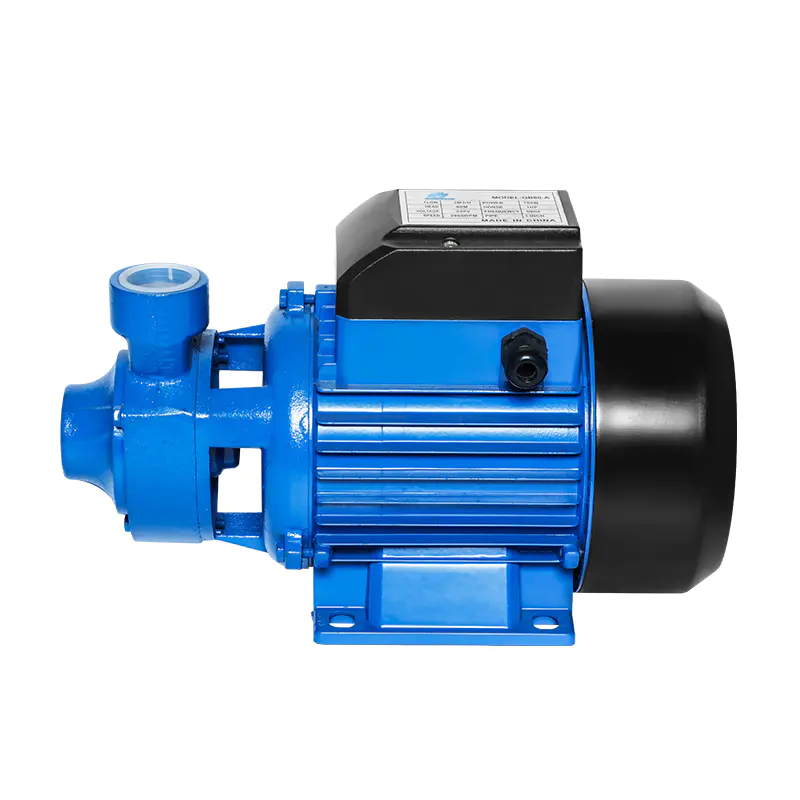
A homeowner turns on the upstairs shower while someone downstairs is running the kitchen faucet, and suddenly both taps slow to a trickle. Nobody's using more water than usual — the plumbing simply can't keep up with two demands at once. That kind of moment is exactly where a Water Peripheral Booster Pump starts making sense, not as a fix for a broken system, but as support for a supply that was never quite built for how the house actually gets used.
When a Booster Pump Actually Solves a Real Problem
A Water Peripheral Booster Pump earns its place when water needs a bit of extra push before it reaches wherever it's supposed to go — a household outlet, a garden watering point, or a small distribution system that's stretched thinner than it was designed for.
This tends to show up in specific, recognizable situations. Water traveling up to a second floor loses pressure along the way. A garden bed sits far enough from the water source that the flow arriving at the far end feels noticeably weaker than what left the tap. A small building relying on a distant or limited source ends up with outlets that just don't deliver consistently.
None of these situations mean a booster pump is automatically the right call, though. The source, the piping layout, where the pump would actually sit, and what the water's being used for all need a look first. A pump that solves one household's pressure problem might do nothing for a different house with a different underlying issue — which is really the whole reason application planning matters more than picking a product off a shelf.
How This Fits Into an Actual Home Water Supply
Inside a house, water demand shifts constantly — someone's running a load of laundry while someone else wants a shower, and the kitchen sink might join in a few minutes later. A booster pump helps smooth out those moments when multiple outlets pull from the same limited supply at once.
Where the pump actually goes depends heavily on how the home's plumbing is laid out. Some setups call for the pump sitting close to where water enters the house; others need it positioned differently depending on how water gets distributed once it's inside.
A few practical details matter beyond just placement:
- Noise — a pump humming away in a utility room is a different experience than one installed somewhere closer to living space.
- Maintenance access — whoever eventually needs to inspect or service the pump should be able to reach it without moving half the room around first.
- Water quality — if the source carries sediment or other substances that could affect the equipment, that's worth mentioning to a supplier before buying anything, not after installation.
A booster pump tucked into a garage or utility closet with a little breathing room around it tends to cause far fewer headaches down the line than one wedged into a tight, inaccessible corner just because that's where a pipe happened to be.
What Garden Irrigation Adds to the Picture
Gardens create their own particular version of this problem. The water source is often near the house, while the actual planting beds or irrigation lines stretch out considerably farther, and that distance alone can weaken delivery by the time water reaches the far end of the yard.
A Water Peripheral Booster Pump can help move water more consistently across that kind of layout, though the right setup still depends heavily on how the garden's actually organized. A single outdoor tap feeding a hose is a very different situation from a network of connected irrigation lines running to multiple beds.
Seasonal use adds another layer worth thinking through. A pump that only runs during warmer growing months spends a good part of the year sitting idle, and that idle time matters — proper storage and periodic checks keep the equipment ready to go again once watering season picks back up, rather than discovering a problem right when it's needed most.
Outdoor installation brings its own conditions too. Moisture, dust, and shifting weather all affect equipment differently than an indoor utility room would, so the pump and its electrical setup need to actually suit an outdoor environment rather than just being moved outside because that's where the garden is.
Understanding the Self Priming Jet Water Pump
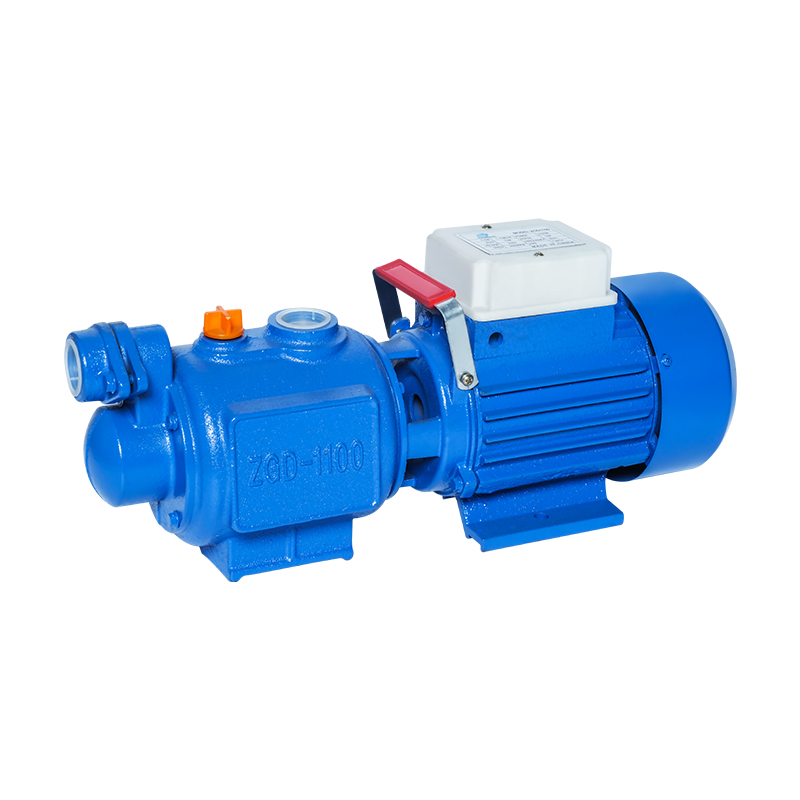
Sometimes the challenge isn't boosting water that's already flowing through a pipe — it's pulling water out of a source in the first place. That's the situation where a Self Priming Jet Water Pump tends to become relevant, whether that source is a tank, a well, or another kind of storage point.
The distinction matters more than it might seem. A pump built to increase flow that's already moving isn't necessarily built to handle drawing water up from a separate source, and trying to use one for the other job usually leads to disappointing results.
Before landing on this type of pump, it's worth being specific with a supplier about exactly where the water's coming from and how the pump would sit relative to that source. A well positioned below ground level creates different demands than a storage tank sitting at ground level, and glossing over that detail is a common way people end up with equipment that doesn't quite fit what they actually need.
Where a Peripheral Centrifugal Pump Makes Sense
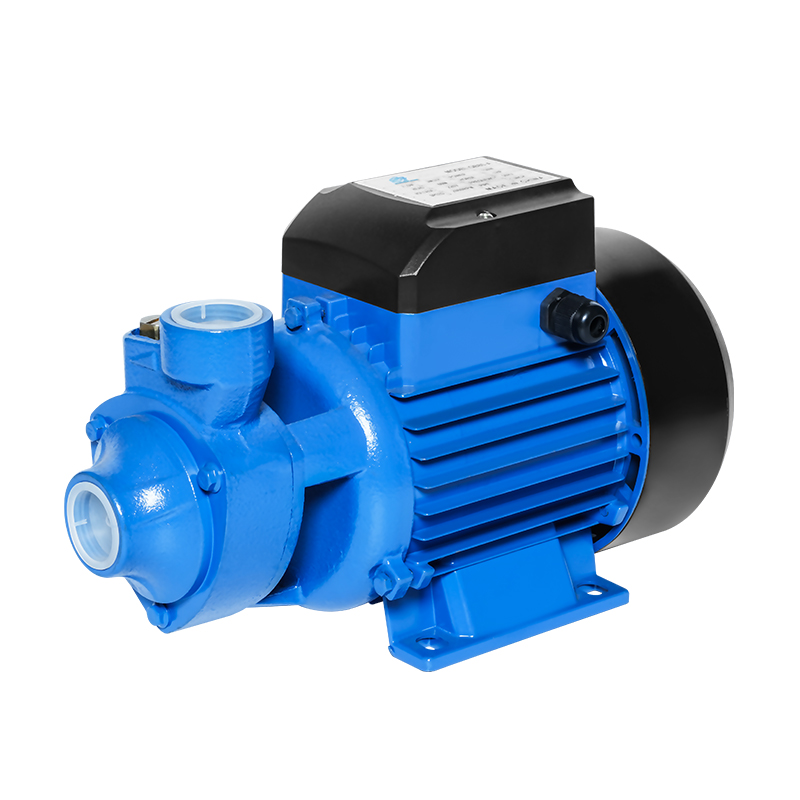
A Peripheral Centrifugal Pump tends to fit small-scale water systems where compact equipment needs to support movement and delivery without requiring something larger or more industrial. Its actual suitability, though, comes down entirely to what the system's trying to accomplish.
Some setups just need help moving water through an existing network. Others need water transferred between separate storage points or sources entirely — a different task with different requirements.
| Application | Main Consideration | Possible Pump Direction |
|---|---|---|
| Home water supply | Delivery to household outlets | Booster pump |
| Garden irrigation | Moving water to outdoor areas | Booster or suitable irrigation pump |
| Small water system | Source and distribution layout | Pump matched to system layout |
| Storage tank supply | Movement from a stored source | Pump suited to source conditions |
| Water pickup | Drawing water from a separate source | Self-priming pump |
This comparison offers a starting point rather than a fixed rule. A Peripheral Centrifugal Pump that works well in one small system might not translate cleanly to a different one, even if both setups look similar on the surface.
Recognizing the Signs Before Assuming a Pump Is the Fix
Weak water delivery at a normal household outlet is often the first thing people notice, but it's worth pinning down the actual cause before assuming a booster pump will solve it.
A handful of underlying issues can produce the same symptom: a limited source, a longer-than-ideal pipe route, several outlets competing for water at the same time, or changes somewhere in the plumbing that altered how water moves through the system.
Common signs worth paying attention to include:
- A shower that never quite reaches the flow it used to.
- An upper-floor tap that consistently receives less water than one downstairs.
- Outdoor taps that deliver noticeably less than indoor ones.
- Water flow that visibly drops whenever multiple outlets run together.
- Garden irrigation that struggles to reach the far end of a planting area.
None of these automatically point to a booster pump as the answer. A plumbing inspection can help isolate whether the actual cause sits with the source, the pipes themselves, a faulty valve, or something else entirely — and that distinction matters a lot in older buildings, where existing plumbing conditions can shape which pump, if any, actually fits.
A Practical Way to Approach Pump Selection
Rather than choosing based on a product name or a general category, working through the actual system step by step tends to produce a much better match.
- Identify the water source — municipal supply, storage tank, well, or something else entirely.
- Define the purpose — household water, garden irrigation, water transfer, or another specific task.
- Review the pipe layout — how far water needs to travel from source to pump to final outlet.
- Consider the installation location — available space, maintenance access, surrounding conditions, and electrical setup.
- Compare pump types against the application — checking whether a Water Peripheral Booster Pump, Self Priming Jet Water Pump, or Peripheral Centrifugal Pump actually fits what's needed.
- Talk through the system with a supplier — sharing enough detail about the source and installation for a genuinely useful recommendation.
Working through these steps in order turns a vague "I need a pump" into a much clearer conversation about what that pump actually has to do.
Keeping a Booster Pump in Good Working Condition
Ongoing care for a Water Peripheral Booster Pump should match how often it's actually running and where it's installed. A pump running daily in a household system needs different attention than one that only kicks in seasonally for garden watering.
Keeping the pump clean and reasonably accessible makes routine checks far easier. Connections are worth glancing at periodically, and anything unusual — an odd sound, a noticeable change in delivery, visible wear — deserves attention before it turns into a bigger issue.
It's also worth remembering that the pump isn't always the actual problem. A blocked line, a loose fitting, or another component nearby can create symptoms that look like pump trouble but trace back somewhere else entirely.
Seasonal setups need a bit more thought around storage, since sitting unused for months can affect equipment differently depending on where and how it's kept. Following the manufacturer's guidance on inspection and operation, and having any electrical work handled properly, rounds out a maintenance routine that actually holds up over time — and all of this goes more smoothly when access was considered during installation rather than as an afterthought.
Why No Single Pump Covers Every Situation
Water sources, layouts, and daily demands vary enough that no one pump type reasonably covers every scenario. A Water Peripheral Booster Pump might suit a compact home supply perfectly while falling short for a situation that actually calls for drawing water from a separate source, which is where a Self Priming Jet Water Pump tends to fit better instead.
Garden irrigation carries its own version of this same idea — a small garden with one or two watering points needs a much simpler setup than a larger outdoor system with multiple connected lines. Small commercial systems introduce yet another set of considerations that don't always match a typical residential installation.
| Pump Application | What Buyers Should Review |
|---|---|
| Home water supply | Existing supply conditions and outlet needs |
| Garden irrigation | Water source distance and irrigation layout |
| Small water distribution | Pipe arrangement and overall water demand |
| Separate water source | Pump position relative to the source |
| Water transfer | Source, destination, and available installation space |
Approaching pump selection this way — task by task rather than category by category — keeps the decision grounded in what the system actually needs rather than what a product label happens to promise.
Getting Better Guidance From a Supplier
A supplier can only offer a useful recommendation if they actually understand the full situation, which means going beyond just naming a product and instead describing the real application.
Helpful details to share include where the water's coming from, where it needs to end up, whether the setup is indoors or outdoors, whether it's for household use or irrigation, whether this is a new installation or a replacement, where the pump will physically sit, and what specific problem the current setup is running into.
Photos or even a simple hand-drawn layout can clear up a lot of ambiguity that's hard to convey through description alone. Two situations that sound nearly identical over the phone — someone wanting better water delivery at home versus someone needing to draw water from a separate tank — often call for entirely different pump types once the actual details come out.
A supplier who understands the full picture can talk through real options rather than defaulting to whatever's easiest to sell. That shift turns the whole process from hunting for a generic pump into finding one that genuinely fits the water system it's meant to support.

Leave A Comment
Recommend Products


Copyright © Caifu Pump Industry Co., Ltd.

High Pressure Water Pump Manufacturer