

 ENG
ENG  русский
 Español
 عربى
عربىHow Can a Peripheral Centrifugal Pump Meet Fluid Needs?
Walk through almost any facility moving liquid around, a small workshop cooling its machinery, a building circulating hot water through radiators, a food processing line rinsing equipment between batches, and somewhere in that setup sits a pump doing quiet, unglamorous work. A Peripheral Centrifugal Pump often ends up handling exactly this kind of job, moving liquid through a compact system where space and reliable operation both matter more than raw pumping power.
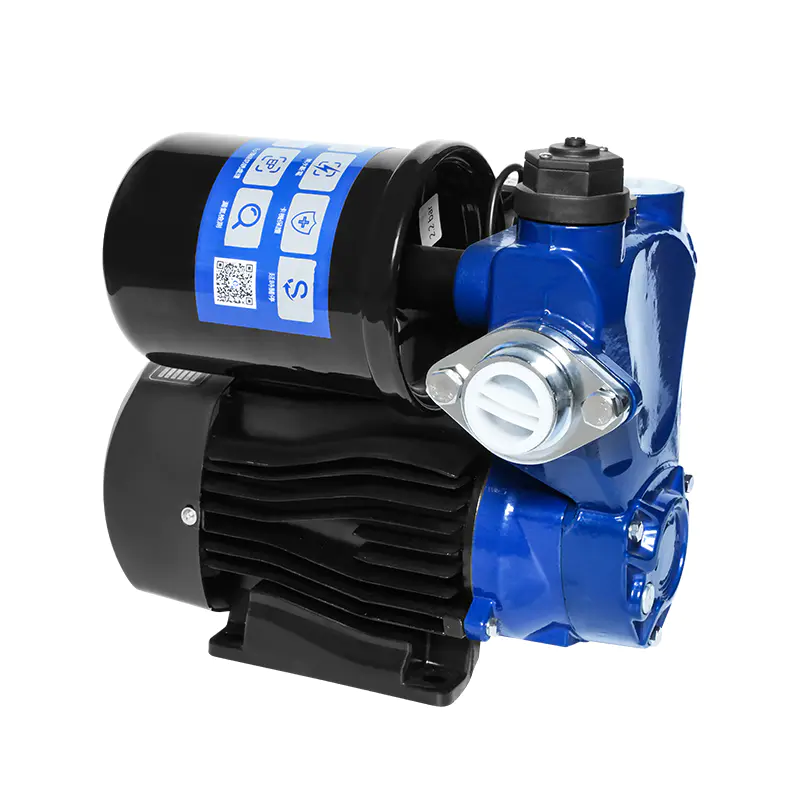
Not every buyer needs the same thing from a pump. A technician installing equipment into a tight cabinet cares mostly about physical size. A facilities manager running a building's water system cares more about how steady the operation stays over months of continuous use. Someone managing a small processing line might care most about how easily the pump comes apart for a quick inspection. These different priorities push manufacturers and system designers to think about a lot more than just whether the pump moves liquid from point A to point B.
That range of real-world needs is exactly what's shaping how pumps like this get designed, chosen, installed, and kept running over time.
What Actually Makes a Peripheral Centrifugal Pump Work for Fluid Transfer
Inside a Peripheral Centrifugal Pump, a rotating impeller does the actual work, spinning fast enough to create the pressure difference needed to pull liquid in one side and push it out the other.
Compared to some larger pump arrangements built for heavy industrial flow, this type tends to fit into a smaller footprint, which matters a lot when someone's trying to squeeze equipment into a cramped mechanical room or a compact appliance housing.
The basic sequence of events stays fairly simple:
Liquid enters → the impeller spins → liquid moves through the pump body → liquid exits through the outlet
Internal construction varies a bit between manufacturers and models, but that core purpose, moving liquid through controlled rotation, stays consistent across most designs in this category.
A handful of characteristics tend to shape how well a given pump actually performs in real conditions:
| Design Feature | Why It Matters in Practice |
|---|---|
| Compact structure | Fits into tight equipment spaces |
| Rotating impeller | Keeps liquid moving continuously |
| Simple external layout | Makes physical installation easier |
| Enclosed housing | Keeps internal parts protected from debris |
| Adaptable design | Works across different types of systems |
A compact size alone doesn't guarantee a pump fits every job, though. Someone selecting a pump still needs to match it against the actual liquid being moved and the specific conditions it'll face day to day.
Why Fluid Transfer Needs Keep Getting More Varied
Modern equipment shows up in a wide range of settings, and each one pulls water or other liquids around for a slightly different reason.
A small processing system might need liquid moved through a tightly controlled loop. A building's plumbing setup might need water circulated through a heating system. An equipment assembly might need coolant pushed through internal channels to manage heat buildup. Each of these situations comes with its own set of expectations.
Some users mostly worry about how much physical space they have to work with. Others care more about whether a technician can actually reach the pump easily when it's time for routine maintenance. Some applications involve the pump starting and stopping frequently throughout the day, which puts different demands on how the pump handles that repeated cycling.
That range of priorities shows up as a broader list of things buyers actually think through:
- How much installation space is realistically available
- What kind of liquid actually needs moving
- What conditions the pump will operate under day to day
- How the overall system gets laid out physically
- Whether maintenance access is genuinely practical
- How much noise the pump generates during operation
- How much energy the pump draws over time
- How easily a worn part can get replaced
A pump never operates in isolation. Pipes, valves, tanks, wiring, and control components all shape how the whole system performs together, which means picking a pump means thinking about the entire setup it's dropping into, not just the pump specification sheet on its own.
How a Smaller Footprint Actually Helps Modern Equipment
Available space has become a real constraint in a lot of equipment design work happening today.
Manufacturers keep trying to pack more functionality into machines and systems without letting the overall footprint grow much, which puts pressure on every individual component, pumps included, to fit neatly into carefully planned layouts.
A compact pump gives designers more room to work with elsewhere in that layout.
Picture a pump tucked inside an equipment cabinet next to other components, or mounted close to a small tank feeding a circulation loop. A smaller physical footprint simplifies how everything else gets arranged around it, especially when space was already tight to begin with.
Compactness alone doesn't solve everything, though. A few other details still need attention before installation:
| Installation Detail | Question Worth Asking |
|---|---|
| Pump location | Is there genuinely enough physical room here? |
| Pipe connections | Can the inlet and outlet line up naturally without awkward bends? |
| Maintenance clearance | Will a technician actually be able to reach it later? |
| Power connection | Is running electrical supply to this spot practical? |
| Nearby equipment | Could something close by interfere with normal operation? |
Working through these questions before installation day tends to save a lot of frustration later, compared to discovering a clearance problem after everything's already bolted into place.
How Pump Design Can Make Maintenance Less of a Headache
Every pump needs some level of ongoing attention, no matter how reliably it runs day to day.
Even a pump that operates smoothly for a long stretch still needs periodic checks. Someone eventually needs to inspect seals, clean debris off nearby surfaces, check connections for wear, or replace a part according to the manufacturer's recommended schedule.
A thoughtfully designed pump makes these routine tasks noticeably less painful to actually carry out.
Manufacturers can support that through layouts that keep key access points reachable and through documentation that actually explains what to check and when.
Design choices worth paying attention to include:
- Connection points positioned somewhere a technician can actually reach
- Installation instructions that are clear rather than vague
- Maintenance guidance written in plain, understandable language
- Service components that can be swapped out without major disassembly
- Inspection steps that don't require specialized tools or training
Maintenance needs also shift depending on what's actually flowing through the pump. A pump handling clean water in a controlled indoor environment faces very different conditions than one working with liquid that carries particles or other suspended material.
Following the specific manufacturer's guidance for a given pump makes more sense than assuming one universal maintenance routine covers every installation equally well.
How the Type of Liquid Shapes Which Pump Actually Fits
A pump built for one liquid doesn't automatically work well with another.
The properties of whatever's being pumped, viscosity, temperature, whether it carries particles, whether it's chemically aggressive, all influence which materials and seal types actually hold up over time.
Water shows up constantly as the liquid being moved, but plenty of industrial and commercial systems deal with other fluids entirely.
Before settling on a pump, it helps to work through a few basic questions:
- What exactly is the liquid being transferred here
- Does it run clean, or does it carry particles or debris
- Could this liquid degrade or corrode the pump's internal materials
- Does the application involve notable heating or cooling
- Will the pump run continuously, or mostly in short bursts
Answering these questions upfront helps avoid picking a pump that looks right on paper but fails once it's actually handling the real liquid in daily operation.
Material compatibility deserves particular attention here, since a liquid that interacts poorly with internal pump components can cause problems that don't show up until well after installation. This is exactly why procurement teams typically need detailed application information before requesting quotes or samples from a supplier.
Does This Kind of Pump Actually Work Across Different Industrial Settings
Generally yes, though how well it fits still depends heavily on the specific job at hand.
Compact centrifugal pump designs show up across a fairly wide range of fluid transfer and circulation setups, including equipment cooling loops, water circulation systems, small-scale processing arrangements, and general building service tasks involving suitable liquids.
| Setting | How the Pump Typically Contributes |
|---|---|
| Equipment systems | Moves liquid between internal components |
| Water circulation | Keeps liquid flowing through a closed loop |
| Building services | Handles suitable water transfer tasks |
| Processing equipment | Transfers compatible liquids through the line |
| Cooling setups | Supports steady liquid circulation for heat management |
Just because a pump works well in one setting doesn't mean it automatically fits the next one that comes along, though.
Anyone designing a system around this kind of pump needs to weigh the whole operating picture together: the liquid itself, how the piping gets arranged, where the pump physically sits, how it gets controlled, and what the maintenance routine will actually look like once it's running.
How Manufacturers Can Meet What Buyers Actually Expect Now
Pump buyers today generally want more than just a working piece of hardware showing up at their loading dock.
They're often looking for clear documentation that actually answers their questions, practical guidance during installation, consistent build quality across units, and a supplier who responds when something needs clarifying.
For a manufacturer, that means product development can't stop at the pump itself. It has to extend into the whole experience of sourcing, installing, and maintaining that pump over its working life.
A pump can be technically well-suited to a job and still create headaches during procurement if the installation paperwork is confusing or if finding replacement parts later turns into a hassle.
A few areas manufacturers can genuinely improve:
- Product layout — Designing physical shapes that fit practical installation constraints rather than forcing buyers to work around awkward dimensions
- Application guidance — Being upfront about where a pump fits well and where a different design would serve better
- Documentation — Writing installation, operation, and maintenance instructions that a technician can actually follow without guessing
- Parts support — Making replacement components easy to identify and order when something eventually wears out
- Communication — Actually working with buyers to match a product against their real operating conditions, rather than just pushing a standard catalog item
These details tend to matter most for business buyers juggling coordination across procurement, engineering, installation crews, and ongoing maintenance teams, where miscommunication anywhere along that chain can cause real delays.
What Buyers Should Actually Think Through Before Choosing a Pump
Rather than starting with a specific pump model in mind, it helps to start by describing the actual application in plain terms.
A few questions worth working through early:
- What liquid actually needs moving here
- Where is that liquid coming from
- Where does it need to end up
- How frequently will the pump run
- Where exactly will it physically sit
- How much space is realistically available
- Who handles maintenance, and how often
- What electrical supply is already available on site
- Are there any unusual environmental conditions to account for
Once these answers are clear, comparing different pump options becomes a lot more straightforward, since the comparison shifts from vague specs to actual fit against real requirements.
When an application feels unusual or doesn't map neatly onto a standard use case, talking directly with a supplier tends to help. A knowledgeable supplier can often flag whether a particular pump arrangement genuinely fits the intended use, or whether something else would serve better.
Working through the application first, rather than picking based on appearance or a general product description, cuts down significantly on the chance of ending up with a pump that technically runs but never quite fits the job it was bought for.
Where Pump Development Seems to Be Heading
Pump development keeps getting shaped more and more by practical, on-the-ground system requirements rather than abstract performance numbers alone.
Buyers want equipment that fits into smaller spaces, that doesn't turn maintenance into a chore, and that works smoothly within automated or semi-automated systems without needing constant manual oversight. Manufacturers, meanwhile, have to balance all that against energy consumption, long-term reliability, material compatibility, and how easily the thing actually installs in the first place.
A modern fluid transfer setup tends to pay closer attention to how the pump relates to everything else around it, rather than treating the pump as a standalone device that just happens to move liquid.
That shift in thinking shows up in decisions about:
- Overall pump shape and footprint
- Which materials actually get used internally
- How connections and fittings get laid out
- How the pump integrates with control systems
- How accessible maintenance points actually are
- How much flexibility the installation allows for future changes
As fluid transfer applications keep diversifying across different industries and settings, choosing the right pump increasingly comes down to matching its real characteristics against the actual liquid, system layout, physical environment, and daily operating routine it'll face, rather than assuming one design works everywhere equally well.

Leave A Comment
Recommend Products


Copyright © Caifu Pump Industry Co., Ltd.

High Pressure Water Pump Manufacturer