

 ENG
ENG  русский
 Español
 عربى
عربىHow Does Peripheral Centrifugal Pump Design Support Pressure
Anyone who's jumped in the shower only to watch the water thin out the moment someone starts the washing machine downstairs knows exactly how frustrating unstable water pressure can be. A shower may lose flow when another outlet opens, a faucet may deliver uneven water, or a small household system may struggle when water demand changes throughout the day. For residential and light-duty applications, the pump design often has a direct influence on how consistently water actually moves through the system.
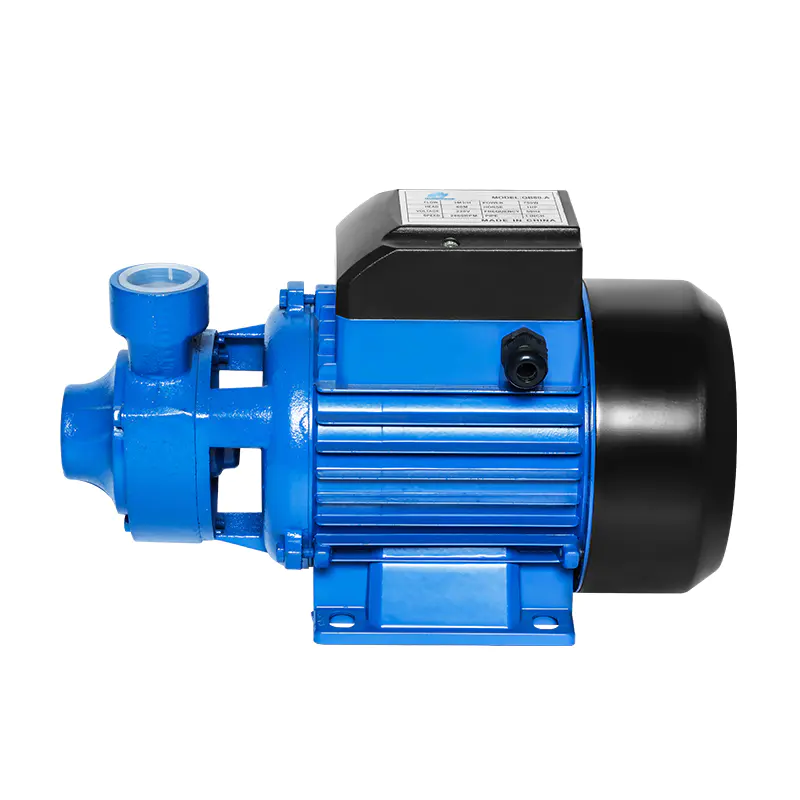
A Peripheral Centrifugal Pump is designed to move water through a compact pumping structure that can support pressure requirements in smaller water supply systems. Its design can be useful where space is genuinely limited and a steady supply is needed for everyday use around the house.
Other pump arrangements serve different purposes. A Water Peripheral Booster Pump may get selected when an existing water supply doesn't provide enough pressure on its own, while a self-priming jet water pump can suit applications where the pump needs to manage certain suction conditions. Understanding how these designs work helps users match the pump with the water system, rather than choosing a pump based only on appearance or general capacity printed on a box.
Why Pump Design Matters for Water Pressure
Water pressure gets influenced by more than the pump itself. The source of the water, pipe arrangement, elevation, number of outlets, and changing demand throughout the day all affect how water reaches its destination.
The pump provides the force needed to move water through the system. Its internal design determines how that force gets created and how the water behaves as it passes through.
A basic water supply arrangement can be viewed like this:
| System Part | Role in Water Supply |
|---|---|
| Water source | Provides the incoming water |
| Pump | Moves water through the system |
| Pipes | Carry water to different locations |
| Valves | Control water movement |
| Outlets | Deliver water to users |
| Control components | Help manage pump operation |
When demand changes, say a second bathroom starts running, the system needs to respond without creating unnecessary fluctuations at the outlet already in use.
A suitable pump can help maintain useful water pressure within its intended application. It can't correct every problem in a poorly designed water system, but its design can influence how effectively the system responds to changing demand across the household.
This is why pump selection should begin with the actual water supply situation, not the pump catalog.
How a Peripheral Centrifugal Pump Generates Water Pressure
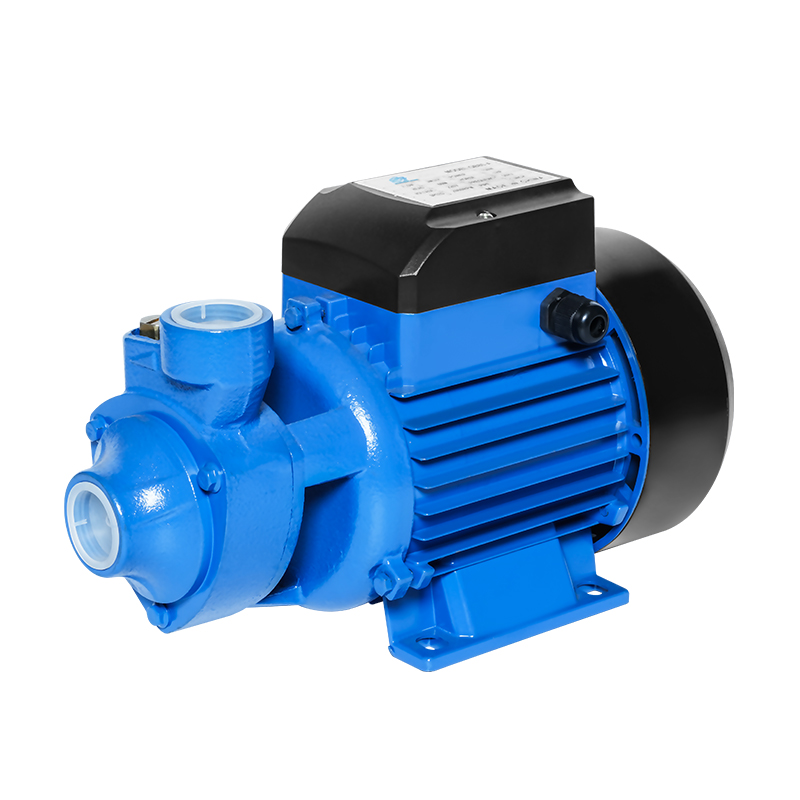
A Peripheral Centrifugal Pump uses a rotating internal component to move water through the pump body. As the component turns, water enters the pump and gets guided through the internal flow path before leaving through the outlet.
The internal structure stays compact. Water passes through a carefully shaped area around the rotating element.
This design allows the pump to provide pressure support within applications where a compact water-moving solution proves useful.
The process can be described simply:
- Water enters the pump
- The rotating component moves the water
- The internal flow path directs the water toward the outlet
- Water leaves the pump and continues through the supply system
The pump doesn't create water pressure in isolation, sitting apart from everything else. Instead, it adds energy to the water so it can overcome resistance within the system and reach the required outlet.
This distinction matters quite a bit in practice.
If pipes are poorly arranged, filters are blocked, valves are restricted, or the water source itself is unsuitable, changing the pump may not solve the pressure problem at all. The pump and the surrounding system need to work together, not in isolation from each other.
What Makes Peripheral Pump Design Useful for Small Water Systems
Small water systems often have genuinely limited installation space, tucked in a utility closet or under a sink.
A large pumping arrangement may be unnecessary for a household, small building, garden supply, or similar application. Compact pump designs can fit a lot more easily into these tight environments.
A peripheral design can combine a relatively small physical structure with useful pressure support at the same time.
This can make it suitable for applications such as:
- Residential water supply
- Small pressure boosting
- Garden water systems
- Household water transfer
- Light-duty water distribution
- Small equipment water supply
The actual suitability depends on the system requirements at hand.
A compact pump shouldn't get selected simply because it takes up less space on a shelf. The pump still needs to match the water source, required flow, installation arrangement, and expected operating conditions of the specific home.
For manufacturers, compactness can also influence product development. A smaller pump can provide more flexibility when designing a complete water supply unit meant to fit into varied households.
How a Water Peripheral Booster Pump Supports Residential Water Supply
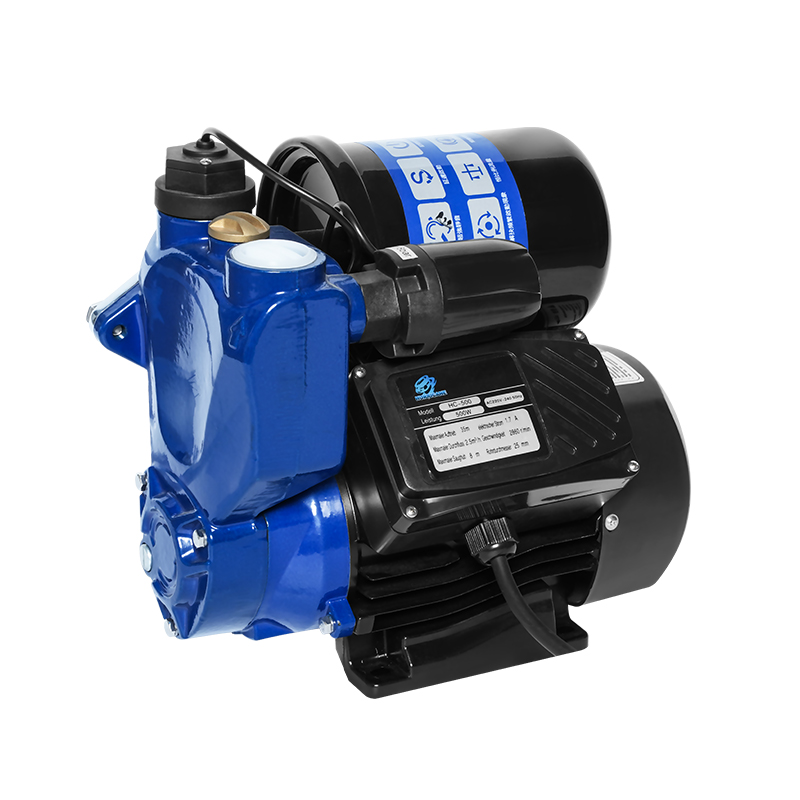
A Water Peripheral Booster Pump can get used when an existing water source doesn't provide the desired pressure for everyday household activities.
Residential water systems can experience pressure changes for several reasons familiar to anyone who's lived in an older building. Multiple outlets may operate at the same time during a busy morning. Water may need to travel through a long pipe route across the property. The source may also provide less pressure than certain household activities actually require, like an upstairs shower.
A booster pump can be positioned within the system to provide additional support where it's needed.
For example, a household may use water in several areas at once:
| Residential Area | Typical Water Demand |
|---|---|
| Kitchen | Faucet and appliance supply |
| Bathroom | Shower and faucet use |
| Garden | Outdoor watering |
| Utility area | Cleaning and general water use |
| Upper floor | Water delivery at a higher location |
When several demands occur together, say dishes running while someone showers, the pressure available at any single outlet can noticeably change.
A booster arrangement can help the system respond to this situation, provided the pump gets correctly selected and installed in the first place.
The pump shouldn't be expected to compensate for every limitation in the water supply on its own. Pipe size, water source conditions, installation height, and system layout all remain important factors regardless of pump choice.
A suitable booster design works with these factors rather than ignoring them entirely.
Can Pump Operation Influence Pressure Stability?
Pressure stability depends partly on how the pump responds to changing water demand throughout a household's day.
Consider a simple situation many people recognize. A faucet gets opened and the pump begins moving water through the system. Another outlet then opens elsewhere in the house. The demand changes, and the water system must handle the additional flow without the first outlet noticeably suffering.
If the pump isn't suitable for the application, the user may notice a real change in water delivery right when it's least convenient.
Pump operation can be influenced by:
- Water demand
- Pipe resistance
- Outlet position
- Pump selection
- Control method
- Water source conditions
A well-matched system can respond a lot more naturally to these everyday changes.
The pump should provide the support required by the system without being unnecessarily oversized for the application at hand. An oversized pump may create other concerns, including unwanted cycling on and off, increased energy use, or greater stress on connected components over time.
Stable water pressure is therefore a system design issue, rather than simply a question of installing a stronger pump and hoping for the best.
What Role the Self-Priming Jet Water Pump Plays in Water Supply
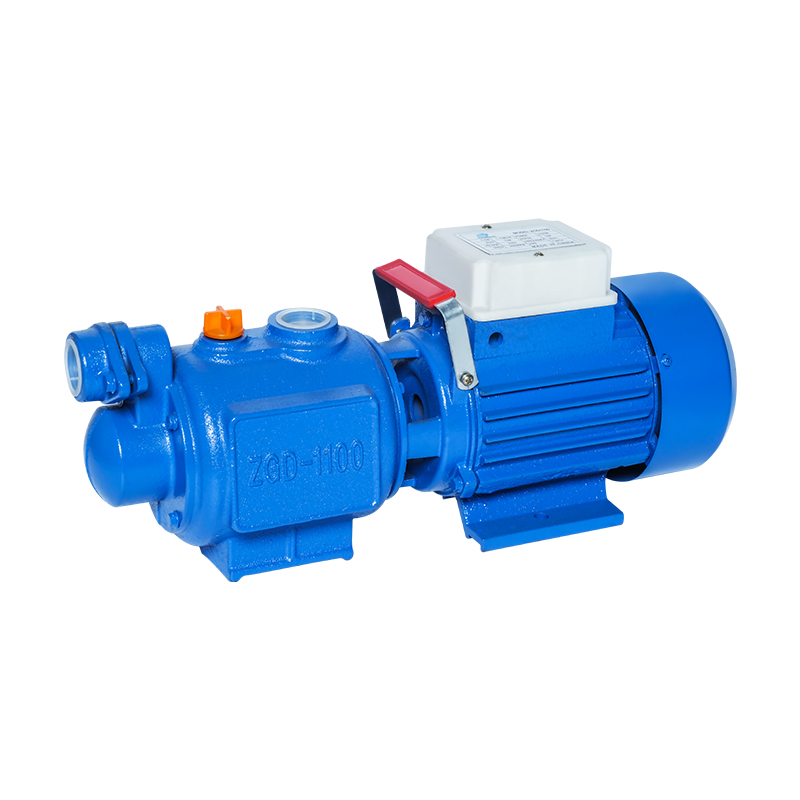
A self-priming jet water pump is designed for applications where the pump needs to handle certain suction conditions without requiring the operator to manually refill the pumping path every time normal conditions get interrupted.
This can prove useful in water systems where the pump sits positioned above the water source, or where air may enter the suction line under certain conditions common to well systems or elevated tanks.
The self-priming feature can make operation a lot more convenient in suitable installations.
However, self-priming doesn't mean installation conditions no longer matter at all. The suction line, water source, connections, and pump position still need to be appropriate for the application in question. The pump also needs to remain within its intended operating conditions throughout use.
A self-priming design can help simplify certain water supply arrangements, but it shouldn't get viewed as a fix for an unsuitable installation underneath it.
This is an important distinction for buyers comparing different pump types side by side.
The question should be "what does my water system actually require?" rather than simply "which pump has more features listed?"
How Pipe Layout and Pump Design Work Together
Even a suitable pump can struggle when the surrounding water system creates unnecessary resistance throughout the pipes.
Every pipe, valve, bend, connection, and elevation change can influence how easily water actually moves from point to point.
A practical water supply system should therefore consider the relationship between the pump and pipe layout together, not separately.
| System Condition | Possible Effect |
|---|---|
| Long pipe route | More resistance to water movement |
| Many bends | Can restrict smooth water movement |
| Narrow passage | May limit water delivery |
| Blocked filter | Can reduce available water flow |
| Higher outlet location | Requires additional pumping support |
| Poor connections | May cause leakage or air entry |
These factors can make pressure appear unstable even when the pump itself is operating completely normally.
For this reason, troubleshooting shouldn't stop at the pump alone. If a residential water system suddenly develops weak pressure, users can inspect the surrounding installation too. A blocked filter, partially closed valve, leaking connection, or change in the water source may be responsible for what looks like a pump problem.
The pump should be evaluated as one part of the complete system, not the only suspect.
How a Peripheral Centrifugal Pump Can Fit Small Booster Systems
Small booster systems need to balance several practical requirements at once, usually within a tight footprint.
They often have limited space and may get installed close to existing pipes, storage equipment, or household structures like a garage wall or utility closet. The pump therefore needs to fit the available layout without making maintenance unnecessarily difficult down the road.
A Peripheral Centrifugal Pump can be useful in this type of system because its compact structure can fit into smaller installations without much fuss.
A basic booster arrangement may include:
- Water inlet
- Pump
- Outlet connection
- Control component
- Pressure management component
- Distribution piping
The actual arrangement depends on the application at hand.
For a small residential system, the pump may support a specific section of the water supply, like an upper floor. In another installation, it may work as part of a compact water transfer unit serving the whole house.
The pump's physical size is only one consideration among several. Access for inspection and cleaning should also get considered carefully. A pump placed in a difficult, cramped location may create unnecessary work when maintenance eventually comes due.
Good system design leaves enough practical access around the equipment from the start.
What Buyers Should Consider When Selecting a Water Peripheral Booster Pump
Buyers should begin with the water system itself, rather than a product name on a shelf.
Several basic questions can help clarify what type of pump actually suits the situation.
Where does the water come from? The source could be a storage tank, existing water line, well, or another supply arrangement entirely. The source condition affects pump selection directly.
Where does the water need to go? Water may need to reach a nearby faucet, an upper floor, a garden, or another part of a building altogether.
How often will the pump operate? A pump intended for occasional household use may have genuinely different requirements from one running throughout the day.
Will demand change? If several outlets may operate at the same time, say during a morning rush, the system needs to account for that changing water requirement.
Is space limited? Compact pump designs may prove useful where installation space is restricted to a small closet or corner.
How will maintenance be handled? The pump should be positioned so inspection and servicing can happen without a struggle later on.
These questions help buyers avoid choosing a pump based on a single feature that caught their eye.
How Manufacturers Can Improve Peripheral Centrifugal Pump Design
Manufacturers can approach pump development from the complete application, rather than focusing only on the internal pumping structure in isolation.
A useful design process considers:
| Design Focus | Practical Purpose |
|---|---|
| Pump body | Supports the overall structure |
| Internal flow path | Guides water through the pump |
| Motor connection | Allows the pump to operate as a unit |
| Inlet and outlet | Connects the pump with the water system |
| Mounting structure | Supports installation |
| Maintenance access | Makes inspection more practical |
| Control integration | Helps the pump work with the wider system |
Product development can also consider different installation environments a pump might end up in. Residential users may value compactness and convenient operation above all else. Small commercial users may need a pump that integrates with existing water equipment already in place. Equipment manufacturers may need customized connection arrangements built for their own products entirely.
This is where pump design becomes more than an internal mechanical decision made in isolation. The pump has to fit the system built around it.
How Water Pressure Problems Should Be Diagnosed
When pressure becomes unstable, replacing the pump right away may not be the most useful first response.
A basic inspection can help identify where the problem actually originates.
Check the water source first. Is there enough water available getting to the system at all?
Inspect the inlet and outlet connections next. Are they secure and free of leaks?
Look at valves and filters throughout the system. Could something be restricting water movement somewhere along the line?
Observe when the pressure actually changes. Does the problem appear when several outlets get opened together, or does it occur even when only one outlet is being used at a time?
Check whether the pump starts and stops as expected, without unusual cycling.
These observations can help separate pump-related issues from system-related problems before any parts get replaced.
| Observation | Area Worth Checking |
|---|---|
| Pressure drops when several outlets open | System demand and pump matching |
| Weak pressure at one outlet | Local piping or valve condition |
| Pressure changes unexpectedly | Pump control or system conditions |
| Pump runs without normal water delivery | Water source or installation condition |
| Pressure problem appears after maintenance | Connections and assembly |
A clear diagnosis can prevent unnecessary equipment changes and wasted money on the wrong fix.
The Peripheral Centrifugal Pump, Water Peripheral Booster Pump, and self-priming jet water pump each have genuinely different design characteristics. Their usefulness depends on the water source, installation arrangement, pressure requirement, operating pattern, and space available in a given home. When these factors get considered together, pump selection becomes a lot more closely connected to the actual needs of residential water supply and small booster systems, rather than being based on the pump type alone.

Leave A Comment
Recommend Products


Copyright © Caifu Pump Industry Co., Ltd.

High Pressure Water Pump Manufacturer