

 ENG
ENG  русский
 Español
 عربى
عربىWhat Is a Self-Priming Jet Water Pump and How It Works
Water movement plays a role in all kinds of daily activities and industrial processes — from household water supply to garden irrigation, different situations call for reliable ways to get water from one place to another. A pump makes this whole process easier by generating movement and keeping a steady flow going. A Self-Priming Jet Water Pump is built specifically for water transfer tasks that need automatic suction ability. Compared with some traditional pump designs, it tends to make the starting process a lot more convenient in suitable applications. Getting a handle on how this type of pump works — and where it actually gets used — helps make picking the right water equipment a lot less confusing.
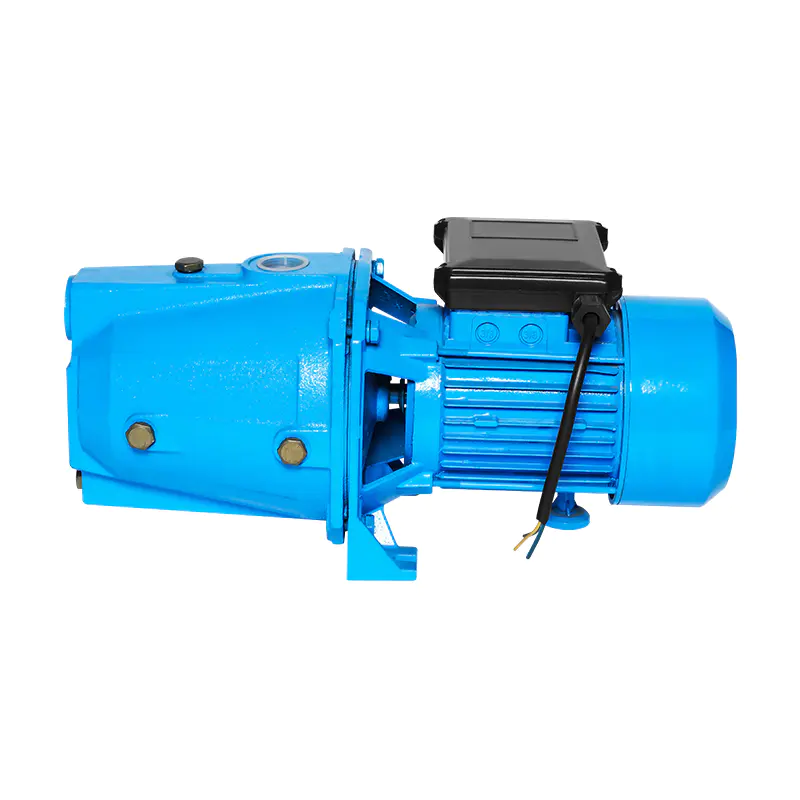
What a Self-Priming Jet Water Pump Actually Is
A Self-Priming Jet Water Pump is a pump designed to move water while making it easier to restart operation once the system's already been prepared once.
The term "self-priming" refers to the pump's ability to clear air out of the suction area and start drawing water without needing repeated manual setup under normal conditions. The "jet" part of the design improves water movement through a specific internal structure that supports both suction and circulation.
Common application areas:
| Application Area | Purpose |
|---|---|
| Home water systems | Supports daily water use |
| Garden irrigation | Helps deliver water to plants |
| Small agricultural tasks | Assists water movement |
| General water transfer | Moves water between locations |
The main point of this design is fairly simple — it's a practical solution for situations where water needs to move efficiently without a lot of hassle each time.
How Does a Self-Priming Jet Water Pump Actually Work?
The basic process behind this type of pump involves a handful of steps working together.
When the pump starts up, its internal system creates the movement needed to pull water in. Air sitting in the suction path gets cleared out, which lets water enter and keep circulating from there.
Roughly, here's what happens:
- The pump starts operating and generates suction
- Air and water move together through the internal passages
- The system works to separate air from the water flow
- Water continues on through the outlet path
The exact internal design can vary a bit between models, but the underlying idea stays the same — making water transfer easier by supporting the suction process itself. This tends to come in handy in situations where the water source and pump location aren't connected in a simple, straightforward way.
Why Self-Priming Ability Actually Matters
Plenty of water systems run into situations where air ends up in the suction line — during installation, routine maintenance, or just after the pump's sat idle for a while.
Without decent suction support, users often end up having to manually prep the pump before every single use. A self-priming design cuts down on that inconvenience considerably.
Benefits worth noting:
| Benefit | Description |
|---|---|
| Easier operation | Reduces preparation steps |
| Convenient restarting | Helps after temporary stops |
| Flexible installation | Supports different setups |
| Practical maintenance | Makes daily use simpler |
This feature tends to matter most for anyone who wants a pump that doesn't demand constant manual attention just to function normally.
Where Do These Pumps Typically Show Up?
Different environments come with different water movement needs, and a Self-Priming Jet Water Pump's flexible design lets it fit into quite a few of them.
Home water supply
In residential settings, these pumps often support water transfer for everyday activities — moving water from storage areas or a given source to wherever it's actually needed.
Garden and landscape use
Gardening tends to require fairly regular water delivery. A suitable pump helps distribute water to planting areas and generally makes irrigation tasks less of a chore.
Agricultural applications
Smaller farming operations often need practical, no-frills water movement solutions. These pumps can support tasks involving water transfer for crops or general farm use.
General utility tasks
Some users just need a pump for occasional water transfer — moving water between containers, or shifting it from one area to another as needed.
Whether this pump type is the right fit really comes down to the specific application at hand.
How Does This Compare to a Regular Water Pump?
Different pump designs come with different operating characteristics. A traditional water pump often needs more upfront preparation depending on how the system's set up. A Self-Priming Jet Water Pump, by contrast, is built to handle air removal more easily as part of normal operation.
| Feature | Self-Priming Jet Water Pump | Traditional Water Pump |
|---|---|---|
| Starting process | Designed for easier suction | May require more preparation |
| Installation flexibility | Suitable for various setups | Depends on system design |
| Common use | Water transfer applications | Different pumping needs |
| User experience | Focuses on convenience | Varies by design |
The right choice really depends on the application — water source conditions, the installation environment, and everyday operating habits all deserve some thought before settling on a pump.
Factors Worth Considering When Choosing One
Picking a suitable pump means genuinely understanding what the system actually needs. A few factors tend to shape that decision.
Water source conditions
The pump should match how water actually gets supplied — worth thinking through where the water's coming from and how the pump will connect to that source.
Usage purpose
Different tasks call for different levels of water movement. A pump handling household needs has different requirements than one used for gardening or other applications.
Installation environment
The surrounding area matters quite a bit here. Worth considering:
- Available installation space
- Protection from weather conditions
- Connection location
- Accessibility for maintenance
Daily operating habits
How often the pump actually gets used shapes the decision too. A system running regularly tends to need more attention paid to convenience and maintenance than one used occasionally.
How to Keep a Self-Priming Jet Water Pump Running Smoothly
Proper care goes a long way toward keeping a pump working the way it should. Maintenance doesn't need to be complicated — regular checks tend to catch potential issues before they turn into bigger problems.
Common maintenance practices:
| Maintenance Task | Purpose |
|---|---|
| Checking connections | Helps prevent water leakage |
| Cleaning surrounding areas | Supports normal operation |
| Inspecting pump condition | Helps identify wear |
| Following proper operation methods | Supports longer service life |
Worth paying attention to unusual sounds, reduced water movement, or any noticeable change in how the pump's operating. Catching these signs early tends to head off bigger issues down the line.
Who Actually Benefits From This Type of Pump?
A Self-Priming Jet Water Pump ends up being useful across a fairly wide range of users, mostly because it combines practical operation with genuinely flexible application possibilities.
Homeowners tend to appreciate the easier water management it offers. Gardeners often find it handy for regular irrigation work. Small businesses and agricultural users frequently pick it up for straightforward water transfer needs.
What's actually suitable comes down to:
- Water requirements
- Installation conditions
- Frequency of use
- Maintenance expectations
Working through these factors helps users land on equipment that genuinely matches their real-world situation.
What to Know Before Installing One
Before installation, it helps to understand exactly how the pump will connect with the existing water system.
Where Will the Pump Actually Be Placed?
The location should support both convenient operation and easy maintenance down the line.
What Water Source Will It Be Drawing From?
The pump needs to match the conditions of that source.
How Will Water Actually Be Delivered?
The connection method should fit however the water's meant to be used.
How Often Will Maintenance Realistically Happen?
A simple, realistic maintenance plan tends to support smoother operation over time.
Planning ahead of installation tends to cut down on unnecessary adjustments later on.
A Self-Priming Jet Water Pump is really built to make water transfer more convenient by supporting easier suction and more flexible operation overall. Getting familiar with how it works, where it typically gets used, what factors shape the selection process, and what maintenance actually looks like helps users pick a solution that genuinely fits their particular water application.

Leave A Comment
Recommend Products


Copyright © Caifu Pump Industry Co., Ltd.

High Pressure Water Pump Manufacturer