

 ENG
ENG  русский
 Español
 عربى
عربىKey Factors When Selecting a Self Priming Jet Water Pump
Water shows up as a daily concern in more places than people usually think about — watering tomatoes in a backyard garden, keeping a workshop running, filling a livestock trough on a small farm. Moving that water from point A to point B sounds simple on paper. In practice, the equipment doing that job quietly shapes how convenient (or annoying) daily life becomes, and how much time gets spent fixing problems later.
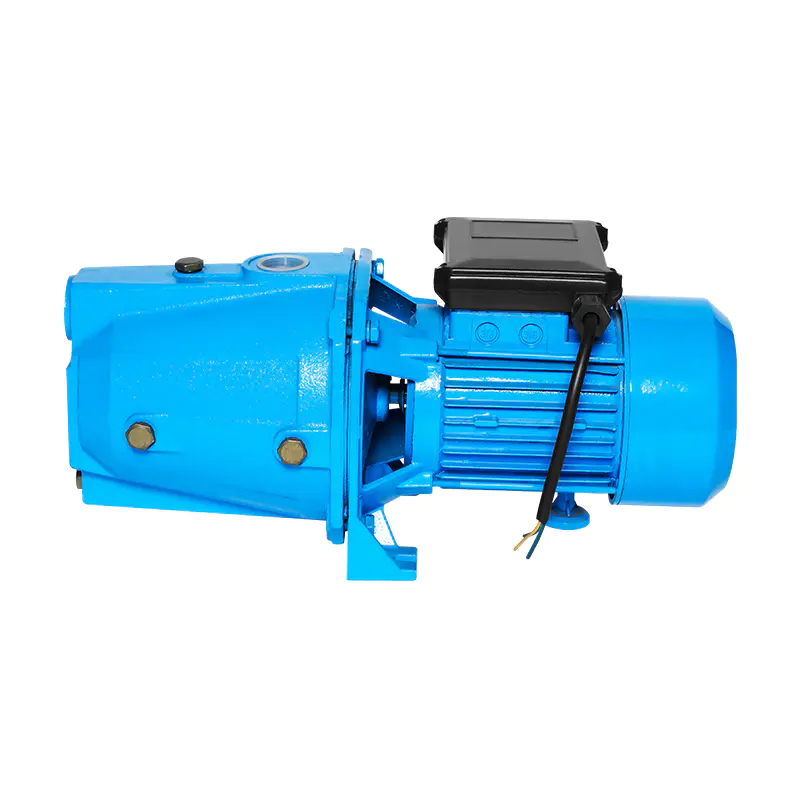
A Self Priming Jet Water Pump tends to come up a lot in these conversations, mostly because it handles the starting process in a way that's less fiddly than older-style setups. People use it in gardens, small farms, workshops, homes — basically anywhere water needs to move somewhere else on a semi-regular basis. Here's the thing though — a lot of buyers start by looking at specs and photos online, comparing horsepower numbers or casing materials. That's not really where the useful decision-making happens. The real questions live somewhere else entirely: where's this thing actually going to sit, how often will it run, who's going to maintain it, and what does the space around it actually look like.
What Exactly Is This Type of Pump Doing?
Strip away the technical language and it's pretty straightforward. A Self Priming Jet Water Pump moves water from a source — a well, tank, cistern, whatever — to wherever it's needed, and it does the starting part (priming) with less manual fuss than a lot of older pump designs require.
It shows up across a fairly wide range of situations:
- getting water where it needs to go around a property
- supporting daily tasks that depend on consistent water flow
- fitting into home setups, garden irrigation, small farms, and light commercial work
Different people care about different things once they're actually using one, though. A homeowner mostly wants water flowing when a tap turns on — nothing complicated. Someone tending a garden probably cares more about steady output during watering season. A small business running daily operations might just want something that doesn't break down mid-week and cause a mess.
Figuring out which of these situations actually applies is usually where the real decision-making starts, before specs even enter the conversation.
Why Does the Application Come Before Everything Else?
Not every water setup behaves the same way, and a pump doing fine in one backyard might struggle or just be overkill somewhere else entirely.
Worth actually sitting down and thinking through:
- Where is this pump physically going to live?
- How often is it going to run — daily, weekly, just during summer?
- What's the actual job — irrigation, household supply, workshop use?
- Residential setup or something closer to commercial demand?
- Is the water need going to stay roughly the same, or shift as things change (more garden beds, expanded livestock, whatever)?
Getting clear on these narrows the field pretty fast. Instead of hunting for some universal best option that doesn't really exist, buyers end up comparing a much smaller, more relevant set of choices.
Where Do These Pumps Typically End Up?
Water transfer needs pop up in a surprisingly wide spread of places, which explains why this type of pump shows up so often across pretty different settings.
| Setting | What It's Usually Doing There |
|---|---|
| Homes | general household water needs |
| Gardens | keeping plants and landscaping watered |
| Farms | irrigation and day-to-day farm tasks |
| Small businesses | routine water handling |
| Workshops | keeping daily operations supplied |
| Community spaces | broader water distribution needs |
A backyard setup usually just wants things to be easy — turn it on, water flows, done. A farm cares more about weathering long hours and changing seasons. A workshop wants something dependable that isn't going to fail in the middle of a workday and throw off the whole schedule.
Knowing which category actually describes your situation makes comparing options a lot less overwhelming.
What About Where It's Actually Getting Installed?
The physical spot where this pump ends up matters more than people expect going in.
How much room is actually there. Some setups have plenty of space to work with. Others — a cramped utility closet, a tight shed corner — need something that fits without a struggle. Measuring before buying saves a headache later.
Where the water source actually sits. The pump's position relative to the well, tank, or cistern changes how the whole system gets laid out. Working with the existing layout tends to go smoother than trying to force a new arrangement around the pump.
Whether someone can actually get to it later. Every pump eventually needs a look — cleaning, checking parts, general upkeep. Sticking it somewhere hard to reach just because it was convenient during installation tends to backfire down the line.
What conditions surround it. Outdoor installations deal with weather, sun, moisture in ways indoor setups don't. Nearby equipment, materials, humidity — all of it plays into how the pump holds up over time.
Spending a bit of time on this upfront usually beats discovering a problem after everything's already bolted down.
Why Think About Maintenance Before Even Buying?
A lot of buyers treat the purchase as the finish line. Really it's closer to the starting point — maintenance kicks in from day one and doesn't stop.
Basic habits worth building into the routine:
- wiping things down and keeping the area clean
- checking on it periodically, not just when something seems off
- glancing at visible parts for wear or odd buildup
- sticking to whatever service intervals the manufacturer suggests
- keeping the space around it from turning into clutter
None of this is complicated, but skipping it consistently tends to catch up eventually — usually at an inconvenient moment, like the middle of irrigation season.
How Much Does Daily Use Actually Change the Decision?
Some pumps get flipped on occasionally — maybe watering the garden a few times a week. Others run as part of a daily routine that barely stops.
A homeowner might only need it during active gardening months. A property manager could be relying on it for water supply pretty much every day, no breaks. Someone running irrigation on a working farm might have it cycling through daily use across a whole growing season.
That difference in frequency changes what actually matters. Something that's fine for occasional weekend use might not hold up well under daily grinding use, and vice versa — buying more capability than the situation calls for just adds cost without adding value.
What's Actually Worth Comparing Between Models?
| What to Look At | Why It Actually Matters |
|---|---|
| Intended use | matches the pump to what it'll actually be doing |
| Installation needs | makes the setup process less of a headache |
| Ease of maintenance access | keeps future servicing from being a hassle |
| Typical usage pattern | lines up with how often it'll really run |
| Fit with existing setup | avoids awkward compatibility issues later |
None of these show up clearly in a product photo. They show up after living with the equipment for a few months.
What Mistakes Tend to Trip Up First-Time Buyers?
Plenty of avoidable headaches come from skipping the planning step and jumping straight to a purchase decision.
Buying for needs that don't actually exist yet. Bigger or more complex isn't automatically better. Figuring out actual daily water requirements usually points toward something more reasonably sized than people initially assume.
Forgetting the pump is one piece of a bigger system. Pipes, tanks, existing fixtures — the pump has to work alongside all of that, not replace thinking about it.
Not leaving room for things changing later. Gardens expand. Farms shift what they're growing. A workshop might add equipment down the line. Leaving a bit of flexibility in the decision avoids having to redo everything in a year or two.
Skipping the actual documentation. Reading through installation notes and manufacturer recommendations takes maybe fifteen minutes and clears up a lot of uncertainty that marketing copy tends to gloss over.
Why Don't Different Buyers Just Want the Same Thing?
Everybody's relationship with water management looks a little different depending on what they're actually doing day to day.
A homeowner usually just wants things easy — press a button, water flows, nothing to think about. Someone running a farm deals with shifting seasonal demands, so flexibility matters more than simplicity. A commercial operator wants something that fits into an already-busy daily routine without adding friction.
Even inside the same rough category, needs split further. A garden might only need occasional watering during dry stretches. A workshop might depend on a much steadier, more predictable water flow throughout the week.
This is basically why there's no single pump that works equally well for everyone — the situations themselves are just too different.
So What Does Good Planning Actually Look Like Here?
Picking a Self Priming Jet Water Pump gets a lot less stressful once appearance stops being the main factor in the decision. Thinking through the actual application, the installation space, realistic maintenance habits, and how often the thing will actually run gives a much clearer sense of what the equipment needs to handle. None of that shows up on a spec sheet, but all of it shapes how the pump performs once it's actually sitting in a garden, a workshop corner, or tucked next to a farm well somewhere. Homes, gardens, farms, workshops — each one pulls the decision in a slightly different direction. Taking the time to think through where the pump actually fits, rather than assuming one setup works everywhere, tends to make the whole ownership experience noticeably less frustrating down the road.

Leave A Comment
Recommend Products


Copyright © Caifu Pump Industry Co., Ltd.

High Pressure Water Pump Manufacturer