

 ENG
ENG  русский
 Español
 عربى
عربىHow Water Pumps Reduce Labor Costs in Farm Irrigation
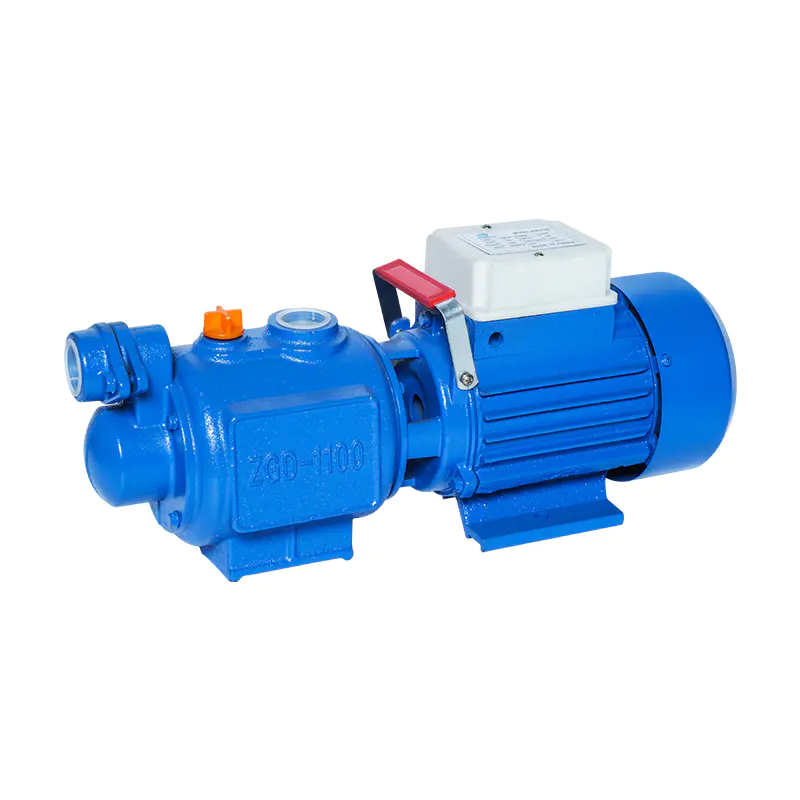
Walking a field at sunrise just to crack open a valve, then trudging back out at dusk to shut it again, is exactly the kind of grind that quietly eats hours nobody tracks until harvest hits and suddenly there aren't enough hands for anything else. A Water Pump for Farming exists to pull that repetitive chore off someone's plate, swapping manual water movement for something that just runs steadily without needing a person hovering nearby all day. Anyone who's managed irrigation the old-fashioned way already knows how much labor gets buried inside tasks that look small one at a time but pile up into real payroll cost across a season. Figuring out exactly how pumping equipment chips away at that labor burden, rather than assuming any pump automatically saves time, helps farm operators and irrigation planners land on decisions that genuinely cut cost instead of just moving the effort somewhere else.
Where Does All That Labor Actually Go in Traditional Irrigation?
Before getting into how pumps fix things, it's worth naming exactly where labor disappears in conventional irrigation setups. Hauling water manually from a source out to wherever crops actually need it eats up real time and physical effort, especially across bigger fields or rough terrain.
Beyond just moving water around, traditional irrigation usually demands:
- Manually starting and stopping water flow at multiple points scattered across a field
- Constant tweaking of irrigation coverage as crop needs shift throughout the growing season
- Long stretches of monitoring just to confirm water's actually reaching the right spots without waste or flooding
- Repeated trips out to check equipment and water levels all day long
Each of these tasks pulls labor away from other farm work, and stacked up across a full season, that accumulated time represents genuine cost even when it never shows up as one obvious line item on a budget sheet.
Why Does Everyone Underestimate This Labor Burden So Badly?
Because it's scattered across a dozen small tasks instead of concentrated into one obvious expense, farm operators often underestimate just how much cumulative time manual irrigation eats up. A few minutes checking a valve here, a few more adjusting flow there, adds up to real hours across a week and considerably more across a full growing season.
Recognizing that accumulated cost, rather than brushing off individual tasks as too minor to matter, is really the starting point for understanding why automated pumping delivers genuine labor savings instead of just marginal convenience.
How Automation Through Pumping Actually Cuts Manual Labor
A continuous duty water pump tackles much of this labor burden head-on by keeping water delivery steady without needing someone physically present managing flow all day.
In practice, this automation shows up as:
- Less need for manual water hauling, since the pump moves water straight from source to field
- Fewer manual startup and shutdown cycles, especially once paired with basic automated controls
- More consistent water delivery, cutting the monitoring burden compared to manual systems prone to erratic flow
- Less physical strain on workers who'd otherwise be moving water by hand
Does Automation Just Mean Farm Workers Aren't Needed Anymore?
Not even close, and this distinction matters for setting realistic expectations. Automation through pumping reduces the specific labor tied to water movement and monitoring, freeing workers up for other essential farm tasks rather than wiping out labor needs entirely.
That shift in where labor actually gets applied, rather than some wholesale cut in total farm labor, is really the practical benefit most operations see once they've got the right pumping equipment installed.
Coverage Efficiency: How Capacity Shapes Labor Needs
A high capacity water pump changes the whole labor math by covering bigger irrigation areas without needing the repeated setup and teardown that smaller equipment demands across multiple field sections.
| Pump Capability | Labor Impact | Practical Result |
|---|---|---|
| Higher flow capacity | Fewer separate irrigation cycles needed per field section | Reduced setup and monitoring time across the growing season |
| Continuous duty operation | Less frequent manual restart requirements | Lower daily labor for basic operation management |
| Higher pressure output | Better coverage across distance or elevation changes | Reduced need for multiple pump stations or manual relay systems |
| Reliable long-term operation | Less frequent maintenance-related labor | Reduced downtime and repair-related labor costs |
Why Does Pressure Capacity Matter for Cutting Labor Too?
A high pressure water transfer pump handles situations where water sources sit well away from fields, or where elevation shifts make simple gravity-fed or low-pressure setups impractical. Without enough pressure, farms sometimes end up relying on multiple relay points or manual booster stations, each demanding its own monitoring and upkeep.
Rolling that pressure requirement into one properly sized pump cuts down the number of separate systems needing individual attention, trimming the cumulative labor that several smaller systems would otherwise soak up.
Does More Pressure Always Mean Less Labor, or Does Farm Layout Change That?
Layout matters a lot here, and it's worth being honest about rather than assuming higher pressure fixes every labor headache automatically. Farms with water sources sitting close to fields and barely any elevation change might not need high pressure capability at all, and pouring money into unnecessarily powerful equipment doesn't cut labor beyond what properly sized equipment would already handle.
Matching pump capability to actual farm layout and distance, rather than defaulting to maximum capacity regardless of need, leads to smarter equipment spending alongside genuine labor savings.
Cutting Maintenance Labor Through Reliable Equipment
Beyond the direct labor of moving water, how reliable the equipment itself is affects how much labor gets swallowed up by maintenance and troubleshooting instead of productive farm work.
A continuous duty water pump built for sustained running tends to need less intervention than equipment never designed for extended operation. That reliability translates into:
- Fewer unplanned repair scrambles pulling labor away from scheduled farm work
- Less frequent manual checking just to confirm equipment's working properly
- Lower odds of crop stress from irrigation gaps that demand emergency manual fixes
Should Farms Prioritize Reliability Over Just Cutting the Initial Purchase Price?
Generally, yes, especially for operations already stretched thin on labor during peak season. Equipment that breaks down often or needs constant babysitting effectively shifts cost right back from the purchase price into ongoing labor demands, sometimes outweighing whatever got saved through a cheaper initial buy.
Weighing total labor cost across a pump's expected working life, rather than fixating purely on upfront price, tends to reveal that more reliable equipment often delivers better overall value despite costing more at the start.
How Smart Water Pump Technology Stretches These Labor Savings Further
Emerging smart water pump technology builds on basic automation by adding remote monitoring and control, letting farm operators check status or make adjustments without physically trekking out to each pump location.
This technology extends labor savings by:
- Letting operators monitor pump status remotely without needing physical site visits
- Allowing flow or timing adjustments without manual on-site fiddling
- Flagging equipment issues before they snowball into bigger problems demanding emergency labor
- Supporting data logging that surfaces irrigation patterns without manual record-keeping
Is Smart Pump Technology Actually Worth It for Smaller Operations?
Depends a lot on the farm's scale and how tight labor already runs. Bigger operations spread across real distance between pump locations tend to see clearer labor savings from remote monitoring, since travel time between sites represents genuine labor cost that remote monitoring directly cuts into.
Smaller operations with pump locations close together, maybe within easy walking distance already, might find the labor savings less dramatic, though the convenience and lighter monitoring burden can still add real value depending on how labor gets spread across the operation.
A Practical Path to Choosing a Pump That Genuinely Cuts Labor
Rather than assuming any pump delivers meaningful labor savings, working through a structured evaluation helps match equipment choice to actual farm needs and labor reduction goals.
- Look at current labor allocation to spot where irrigation tasks eat up the most time
- Nail down actual flow capacity and pressure requirements based on field size, distance, and elevation
- Figure out whether continuous duty operation genuinely fits the farm's irrigation schedule and crop needs
- Consider whether remote monitoring actually addresses a genuine labor pain point given the farm's layout
- Weigh total cost across the equipment's working life, maintenance labor included, rather than initial price alone
Working through this evaluation helps farm operators avoid buying equipment that looks impressive on a spec sheet but doesn't actually touch where labor costs genuinely pile up on their specific operation.
Matching Pump Choice to Farm Scale and Crop Type
Different farming operations put different demands on pumping equipment, and understanding these differences helps buyers dodge both underspecifying and overspending relative to what they actually need.
- Smaller family farms with modest acreage often find standard water pump for agriculture options plenty adequate without needing high capacity or high pressure specs
- Larger commercial operations spread across real acreage typically benefit from high capacity water pump options that cut down the number of separate irrigation cycles needed
- Operations with water sources sitting well away from fields generally need high pressure water transfer pump capability to keep adequate flow across that distance
- Farms already running tight on labor during peak season benefit especially from continuous duty water pump reliability that cuts down maintenance interruptions
Buyers evaluating replacement water pump options for aging equipment should treat this transition as a chance to reassess whether current specs still match actual farm needs, rather than just swapping like for like without checking whether labor patterns or farm scale have shifted since the original purchase.
Cutting labor costs through the right pumping equipment really comes down to matching capacity, pressure, and reliability characteristics to what a specific farm actually demands, rather than assuming any Water Pump for Farming automatically delivers meaningful savings regardless of fit. Operations that take the time to figure out where labor genuinely piles up in their current irrigation process, then match equipment capability to those specific pain points, tend to see more substantial and lasting labor reduction than those buying equipment purely on reputation or price alone. Caifu Pump Industry Co., Ltd. works with farm operators and agricultural buyers sorting through exactly this kind of equipment evaluation, helping match pump capacity, pressure, and durability to the specific labor reduction goals each operation actually has. Reach out with farm details or irrigation challenges, and the conversation about which pump solution fits best can start from there.

Leave A Comment
Recommend Products


Copyright © Caifu Pump Industry Co., Ltd.

High Pressure Water Pump Manufacturer