

 ENG
ENG  русский
 Español
 عربى
عربىSelf Priming Jet Water Pump Uses Across Different Fields
Nobody really thinks about pumps until the water stops flowing. That's kind of the point, actually — good equipment does its job quietly, tucked away somewhere behind a wall or inside a shed, while everyone above ground just assumes the tap will work when they turn it. Homes need that steady flow for cooking and washing. Farms need it moving across fields when crops are thirsty. Businesses need it running in the background so operations don't grind to a halt over something as basic as water. Self Priming Jet Water Pumps show up across a surprising number of these scenarios, mostly because they don't care much about staying in one lane. A single pump design ends up doing duty in a backyard garden one week and a small workshop the next, just because it happens to fit whatever the situation demands. Rather than belonging to any single industry, this equipment tends to wander into wherever water needs moving on a regular basis. Getting a sense of where it actually shows up — and why — helps anyone shopping for one figure out whether it'll actually suit their own setup.
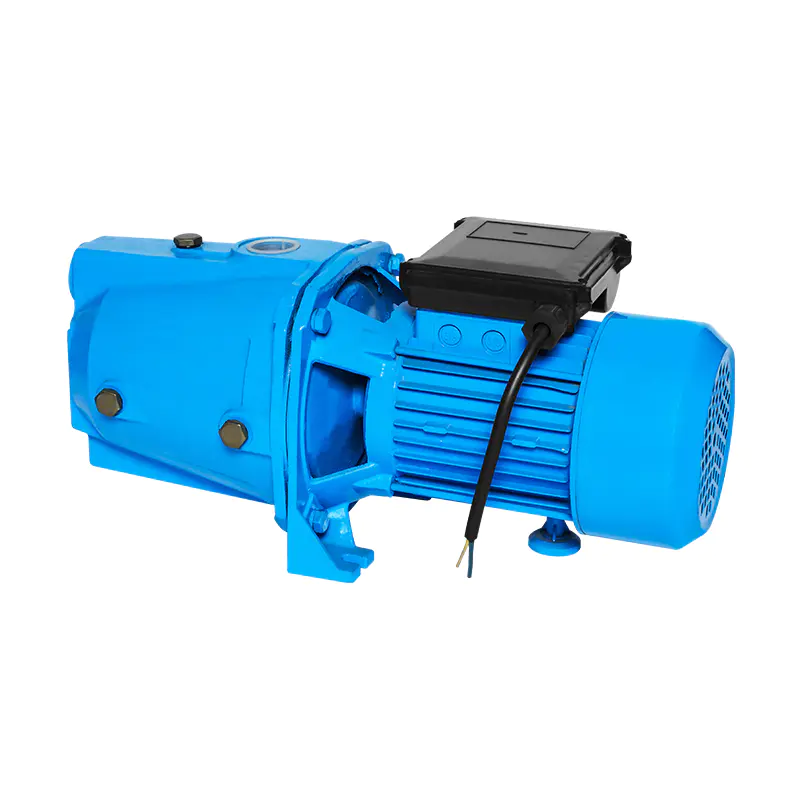
What's Actually Going On Inside This Pump?
Strip away the technical language and the concept is pretty basic: a Self Priming Jet Water Pump grabs water from somewhere and pushes it somewhere else, and it manages the tricky starting process (priming) with less manual fuss than a lot of older-style pumps require.
People run into this equipment in places they might not expect at first — not just industrial plants, but backyard sheds, farm outbuildings, small workshops tucked behind a business.
The job stays roughly the same wherever it lands:
- moving water from one point to another
- keeping a steady supply flowing for daily use
- supporting irrigation when plants or crops need it
- helping routine operations run without interruption
- slotting into whatever water system already exists on the property
That range of jobs is basically why this particular type of pump keeps popping up across such different corners of daily life.
Why Does One Pump Design Work Across So Many Industries?
Every industry handles water on its own terms. A restaurant kitchen needs it constantly running. A rural property might only need pumping equipment kicking in during dry stretches of summer.
Despite those differences, a handful of practical concerns keep showing up no matter the setting:
- the pump has to physically fit wherever it's going
- someone eventually needs to maintain it without a struggle
- it has to work alongside whatever plumbing or water system already exists
A Self Priming Jet Water Pump tends to get picked precisely because it bends toward these varied conditions instead of locking someone into one narrow use case. That adaptability is really the whole reason it turns up in agriculture one day and a hotel basement the next.
How Does This Show Up Inside an Ordinary Home?
Residential use is probably the most familiar starting point. Water runs through cooking, cleaning, gardening, laundry — the whole rhythm of a household depends on it moving reliably.
Homeowners often bring in pumping equipment to keep that water flow organized around the property rather than scattered and inconsistent.
A few common spots this shows up:
- general household water supply
- keeping a garden watered through dry weeks
- landscape upkeep around the yard
- outdoor cleaning tasks — driveways, patios, that sort of thing
- managing water across a smaller property setup
Every home's actually a little different here. Some families barely think about outdoor water use. Others practically run a small garden operation in the backyard and depend heavily on the pump doing its job without drama.
Why Does Agriculture Depend on This Kind of Equipment?
Farming runs entirely on water management, whether that's growing rows of crops or just keeping outdoor areas from drying out under summer heat.
| Farming Task | What the Pump Handles |
|---|---|
| Irrigation | getting water out to growing areas |
| Garden cultivation | keeping plants properly watered |
| Small-scale farming | general water movement across the property |
| Landscape upkeep | managing outdoor grounds |
Farming rarely stays the same month to month — weather shifts, planting schedules change, some seasons demand way more water than others. A pump that flexes with those swings tends to earn its keep more than one built for a single narrow task.
Where Does This Turn Up in Commercial Spaces?
Businesses generally think about water a bit differently than homeowners do. Owners tend to focus on how the equipment fits into daily operations without becoming a headache.
| Business Type | How Water Gets Used There |
|---|---|
| Retail spaces | general supply for the building |
| Office buildings | routine property upkeep |
| Hotels and hospitality spots | supporting daily guest services |
| Service-based businesses | backing up operational needs |
| Small production shops | keeping water moving through daily work |
Every business pulls something slightly different out of the same equipment. A hotel cares mostly about guests never noticing a water problem. A small workshop just wants water available when someone needs to rinse off a tool or clean up after a job. An office building mostly just wants the property maintained without fuss.
What About Landscaping and Garden Projects?
Green spaces don't take care of themselves. Parks, private gardens, community plots — all of it depends on somebody paying attention to watering schedules and keeping things alive through dry stretches.
A Self Priming Jet Water Pump slots into that maintenance rhythm pretty naturally. Typical jobs include:
- watering flower beds and decorative plants
- keeping lawns from browning out in summer
- supporting community garden plots
- general upkeep of landscaped grounds
- managing how water gets distributed across a larger outdoor area
Convenience matters a lot here, mostly because watering isn't a one-time task — it's something that repeats constantly, week after week, throughout a whole growing season. The pump becomes just one piece of that repeating routine.
Do Workshops and Smaller Facilities Use These Too?
Plenty of workshops lean on water daily without anyone really talking about it — cleaning up after a job, routine maintenance tasks, moving water from one spot to another as part of normal operations.
Smaller facilities especially benefit from equipment that doesn't demand a huge amount of space to install.
Typical uses:
- cleaning up workshop areas after a job
- general maintenance tasks around the property
- basic property upkeep
- utility support for daily operations
- whatever routine water-related task comes up during the workday
The pump usually isn't anyone's main focus in these spaces. It just sits there doing its job quietly, letting everything else run a bit smoother because nobody has to think about water logistics constantly.
What Should Someone Actually Weigh Before Buying One?
Even though the same basic pump shows up across all these different fields, picking the right one still comes down to matching it against the actual situation.
Where's it going to sit — indoors or outside? Indoor and outdoor spots come with pretty different installation quirks. Figuring that out early narrows the field a lot faster.
Is this getting used constantly, or just now and then? Daily operation and occasional weekend use call for different planning. Knowing which one applies changes what actually matters in a pump.
Can someone actually reach it later for maintenance? Every pump needs attention eventually — cleaning, inspecting, general upkeep. Sticking it somewhere hard to access just because it was convenient during setup tends to cause headaches down the line.
Might things change down the road? Farms expand. Businesses grow. A backyard garden might triple in size in a few years. Leaving some room for that in the decision avoids having to redo everything later.
Working through these questions upfront usually saves more hassle than any amount of comparing specs online.
Does Installation Actually Change How Well It Runs?
A decent pump still underperforms if it gets shoved into a bad spot. Installation isn't just finding an open corner and setting it down — a few things genuinely matter here.
- keeping room clear for future inspection
- a working area that isn't cluttered or hard to move around in
- a straightforward connection into the existing water system
- enough space around it for routine maintenance
- a spot that actually suits how it'll be used day to day
Thinking this through beforehand tends to make everyday operation noticeably less annoying than discovering problems after everything's already bolted into place.
Why Do Different Industries Want Different Things From the Same Pump?
Every field cares about something slightly different when it comes to water.
A homeowner mostly wants convenience — press a switch, water flows, nothing complicated. A farmer cares more about flexibility, since irrigation needs shift constantly with the seasons. A commercial property manager wants daily operations running smoothly without interruptions. A landscaping crew focuses on keeping outdoor spaces alive and looking decent.
Same basic equipment category, sure, but the actual role it plays shifts depending on who's using it and why. Recognizing that helps buyers stop comparing pumps purely by looks or spec sheets and start thinking about how the thing will actually function inside their specific project.
What Does Smart Planning Actually Look Like Here?
Picking a Self Priming Jet Water Pump gets a lot less confusing once the decision starts from actual daily needs rather than marketing descriptions. Homes, farms, gardens, workshops, businesses, public spaces — each one runs its own version of water management, shaped by its own routines. Looking closely at where the pump will sit, what it's actually being asked to do, how easy maintenance will be, and whether things might change later gives a much clearer sense of what kind of equipment actually fits. Water moves through daily life constantly, mostly without anyone noticing until something breaks. A pump that genuinely matches its environment tends to just disappear into the background — quietly supporting irrigation, household supply, property upkeep, and daily operations across all these different fields, doing its job without ever really calling attention to itself.

Leave A Comment
Recommend Products


Copyright © Caifu Pump Industry Co., Ltd.

High Pressure Water Pump Manufacturer