

 ENG
ENG  русский
 Español
 عربى
عربىHow to Troubleshoot Common Water Pump Failures
A pump that was running fine yesterday, sitting completely silent this morning with no obvious explanation. A system delivering noticeably less pressure than usual, slowing down an irrigation cycle or a process line that cannot afford the delay. A continuous duty water pump cycling on and off in a pattern it was never designed for, building toward a failure that nobody has quite managed to diagnose yet. These situations have a way of surfacing at the worst possible moments, and working through them systematically rather than guessing tends to get a system back online considerably faster than swapping parts at random.
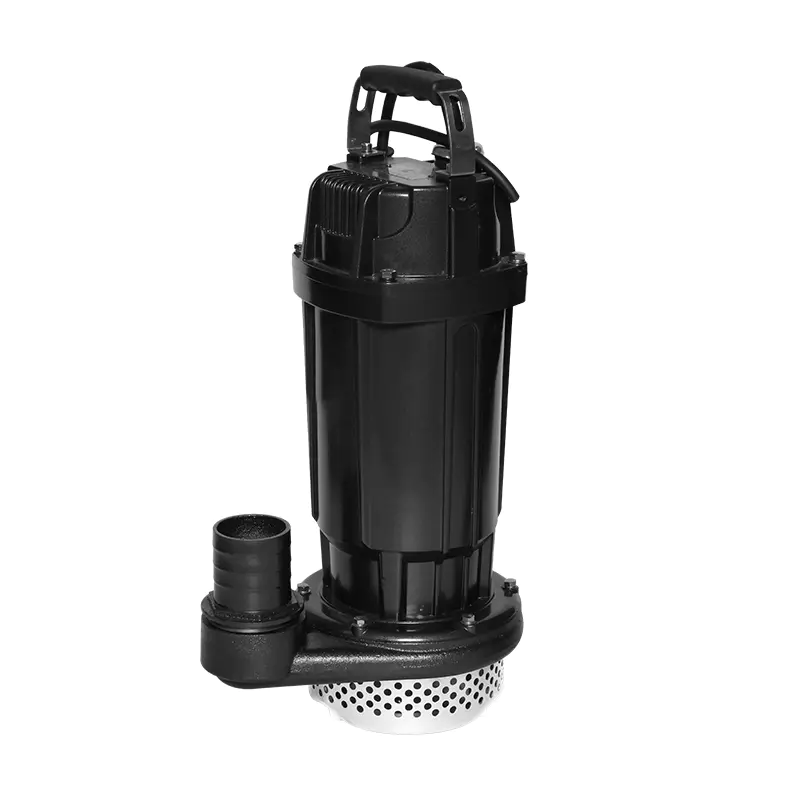
Water pump failures rarely announce themselves in straightforward ways. The same symptom, reduced flow for example, can trace back to a blocked inlet, a failing impeller, an airlock in the line, or a motor that is struggling with voltage fluctuations at the power supply. Narrowing down the actual cause before ordering parts or pulling equipment saves both time and money, and it tends to reveal whether the problem is genuinely fixable on site or whether a replacement is the more practical path forward.
Starting With Symptom Recognition Before Touching Anything
Matching the Symptom to a Category of Cause
Before running any checks, identifying what the pump is actually doing, or not doing, narrows the diagnostic path considerably. Common symptom categories and what they generally indicate:
- Pump does not start at all: points toward electrical supply, motor, or control circuit issues rather than mechanical or flow-related causes
- Pump runs but delivers no water: often indicates an airlock, a blocked inlet, or a loss of prime in systems that require it
- Pump runs but delivers reduced flow or pressure: typically points toward a partially blocked impeller, a worn seal, a partially closed valve, or a deteriorating motor
- Pump starts and stops repeatedly in short cycles: usually indicates pressure switch malfunction, a waterlogged pressure tank, or a demand that the pump cannot meet sustainably
- Pump makes unusual noise during operation: grinding or rattling often points to bearing wear or debris in the impeller; a high-pitched whine can indicate cavitation
Why Skipping This Step Leads to Misdiagnosis
Jumping straight to component replacement without identifying the symptom category first produces exactly the kind of outcome that makes pump failures so frustrating: a replaced component that turns out not to have been the actual problem, and a system that still does not work after the effort and expense of the repair.
Checking the Electrical Supply Before Opening the Pump
Is Power Actually Reaching the Pump?
Electrical issues account for a significant share of pump failures that initially look mechanical. Before assuming the pump itself has failed, confirming the basics:
- Check that the circuit breaker or fuse for the pump has not tripped or blown
- Confirm that voltage at the pump terminals matches the rated operating voltage for the unit
- Inspect wiring connections for corrosion, looseness, or visible damage, particularly at terminals and junction points that may have been exposed to moisture
- Verify that any thermal overload protection device built into the motor has not tripped, since these often reset manually rather than automatically
What Voltage Irregularities Do to Pump Performance
Running a pump on voltage that sits outside its rated range causes problems that can look identical to mechanical failures. Low voltage causes the motor to draw higher current to compensate, which generates heat and accelerates wear. High voltage causes different stress patterns. Neither shows up obviously without actually measuring what the motor is receiving rather than what the supply line is nominally rated to deliver.
Inspecting the Inlet and Flow Path for Blockages
Where Blockages Tend to Develop in Water Pump Systems
The inlet screen or strainer is the most common blockage point in most pump installations, since it sits at the point where debris in the water source first contacts the system. A partially blocked strainer reduces flow without producing obvious symptoms beyond gradual pressure loss, making it easy to overlook when chasing more dramatic failure causes.
A Practical Inlet Inspection Sequence
Working through the flow path in order tends to surface blockage-related problems efficiently:
- Remove and inspect the inlet strainer for debris buildup, algae growth, or physical damage that may be restricting flow
- Check the inlet pipe for any partial collapse, kinking, or obstruction, particularly if flexible hosing was used in the installation
- Confirm that all isolation valves in the line are fully open, since a partially closed valve can reduce flow in ways that look identical to a pump performance issue
- Inspect the foot valve at the bottom of a suction lift installation, if applicable, since a stuck or damaged foot valve is a common cause of prime loss
Diagnosing Loss of Prime in Self-Priming and Suction Lift Installations
Why Air in the System Produces Such Consistent Problems
Air entering a pump system through a leaking fitting, a damaged seal, or a low water level in the source disrupts flow in a way that can damage the pump if left unaddressed. A pump running dry or partially air-locked generates friction heat without the cooling and lubrication that normal water flow provides.
Steps for Re-Priming a System That Has Lost Its Prime
- Shut the pump down and close any outlet valves to prevent water from draining back
- Locate the priming port on the pump housing and add clean water until the casing is full and water begins to flow from the port
- Reseal the priming port and start the pump, monitoring closely for normal flow development within a short time
- If the pump loses prime again quickly after this process, inspect all suction side fittings and connections for air leaks, since repeated prime loss almost always points to an air entry point rather than the pump itself
Checking the Impeller for Wear and Obstruction
Does Impeller Condition Actually Change Pump Output That Much?
It does, considerably. The impeller is the rotating element that moves water through the pump, and its condition directly affects both flow rate and pressure output. Debris wrapped around the impeller shaft, worn impeller vanes, or physical damage from running dry all reduce pump output in measurable ways.
Accessing and Inspecting the Impeller
- Isolate and de-energize the pump completely before any internal inspection
- Remove the pump casing following the manufacturer's disassembly sequence for that specific unit
- Inspect the impeller for debris wrapped around the shaft, which is a common cause of reduced output in systems drawing from open water sources
- Check impeller vanes for wear, erosion, or physical damage, particularly on High Capacity Water Pump units that have been running at heavy load for extended periods
- Confirm the impeller turns freely without binding once any debris has been removed
Identifying Seal and Gasket Failures
Where Leaks Tend to Appear and What They Indicate
Seal and gasket failures produce external leaks that are usually visible, though not always in the place most directly associated with the damaged component. Water appearing at the motor shaft area typically indicates a mechanical shaft seal failure. Leaks at the pump casing joint point toward gasket deterioration. Leaks at fittings and connections usually indicate joint or thread failures rather than pump component failures.
Should a Leaking Seal Be Repaired or Is Replacement the Better Path?
The answer depends on the age and overall condition of the pump. A seal failure on a unit that is otherwise in good mechanical condition usually justifies repair. A seal failure on a unit that has already accumulated significant running hours and is showing wear elsewhere often points toward a replacement water pump evaluation rather than another repair cycle on aging equipment.
Addressing Overheating and Thermal Shutdown
What Causes a Water Pump to Overheat?
Overheating in water pump systems typically traces back to one of several conditions:
- Running dry or partially air-locked, which removes the cooling and lubrication that normal water flow provides
- Continuous operation beyond the rated duty cycle of the unit, particularly relevant on equipment not designed for sustained load
- Ambient temperature conditions around the motor that exceed the design envelope, particularly in enclosed spaces with limited ventilation
- Blocked ventilation around an air-cooled motor, which prevents normal heat dissipation during operation
How to Respond When Thermal Protection Trips
A tripped thermal overload protector indicates the motor reached a temperature threshold built into the protection system. Before resetting and restarting:
- Allow adequate cooling time rather than resetting immediately, since restarting a motor that is still hot can cause repeated tripping or damage
- Identify and address the underlying cause of the overheating before the next start, since repeated thermal trips accelerate motor winding degradation
- Check that ventilation around the motor is unobstructed and that ambient temperature at the installation site is within the rated operating range
A Diagnostic Reference Table for Common Pump Failure Symptoms
| Symptom | Likely Cause Area | Priority Check |
|---|---|---|
| Pump does not start | Electrical supply or motor | Check breaker, fuse, voltage, thermal reset |
| Runs with no water output | Airlock or loss of prime | Re-prime pump, check suction line for air ingress |
| Reduced flow or pressure | Impeller wear or blockage | Inspect strainer, impeller condition, valve positions |
| Short cycling on and off | Pressure tank or switch issue | Check pressure tank air charge and switch adjustment |
| Unusual noise during operation | Bearing wear or cavitation | Inspect bearings, inlet restriction, air in system |
| Visible leak at shaft | Mechanical seal failure | Inspect and replace mechanical seal |
| Overheating or thermal trips | Ventilation or excessive duty cycle | Check cooling conditions and runtime vs rated duty |
Deciding Between Repair and Replacement
When Does Troubleshooting Point Toward Replacement Rather Than Repair?
Several conditions tend to make a replacement water pump the more practical path forward compared to continued repair:
- Multiple component failures occurring within a short timeframe, suggesting the unit has reached the end of its reliable service life
- A repair cost that approaches or exceeds a significant portion of the replacement cost for an equivalent unit
- Operational requirements that have grown beyond the original unit's rated capacity, making an upgrade to a High Capacity Water Pump the more sensible response to the performance gap
- Repeated failures of the same component, which often indicates a fundamental mismatch between the application demands and the unit's rated specifications
What Changes in Application Requirements Reveal About Equipment Fit
A pump that originally handled its load comfortably but has been experiencing increasing failure frequency often reflects a change in application demands rather than a simple equipment defect. Higher flow requirements, longer daily runtime, or elevated temperature conditions that were not present during original installation can push a unit beyond its intended operating envelope over time.
Systematic troubleshooting of water pump failures produces better outcomes than either guessing at causes or defaulting immediately to replacement, since many failures involve straightforward issues that can be resolved on site without significant parts cost once the actual cause is correctly identified. Moving through the diagnostic sequence in order, from electrical supply through flow path inspection, prime condition, impeller and seal integrity, and thermal behavior, ensures that the real cause gets found rather than a symptom getting treated while the underlying problem continues. For applications running continuous duty cycles or demanding high capacity output, getting the diagnostic process right also informs whether repair makes sense or whether the application has outgrown the installed equipment. Caifu Pump Industry Co., Ltd. supports maintenance teams, irrigation operators, and facility managers with water pump solutions suited to a wide range of industrial and agricultural applications, including continuous duty and high capacity configurations where reliable performance over extended operation is a core requirement. Reaching out to discuss a specific failure pattern, replacement specifications, or application requirements is a practical next step for anyone who has worked through the troubleshooting process and needs a reliable path forward.

Leave A Comment
Recommend Products


Copyright © Caifu Pump Industry Co., Ltd.

High Pressure Water Pump Manufacturer