

 ENG
ENG  русский
 Español
 عربى
عربىChoosing the Right Compact Water Pump for Home Use
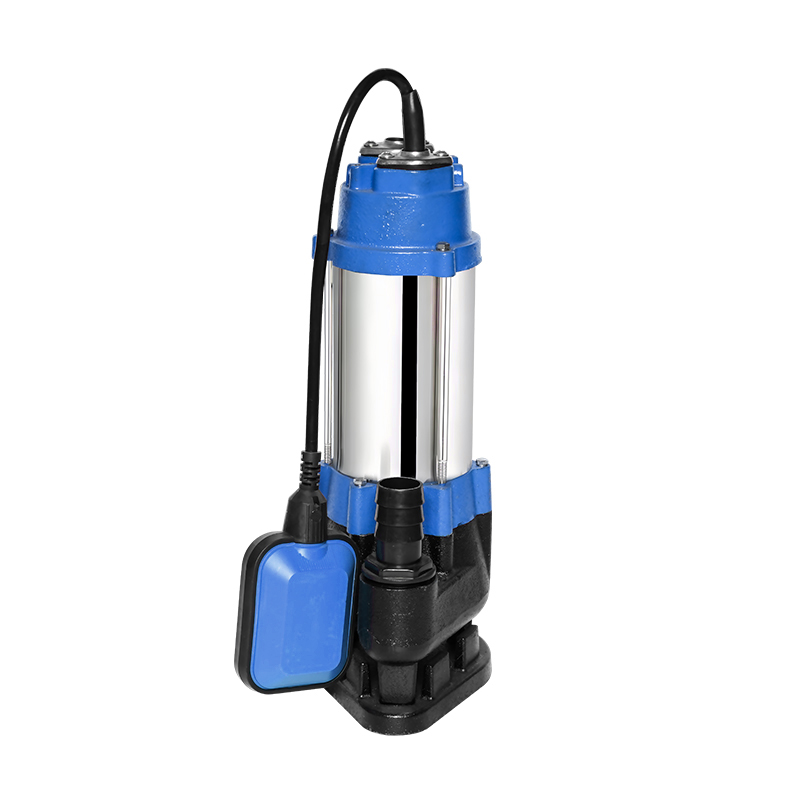
A well tank running dry mid-shower, an irrigation line that never quite reaches the back rows of vegetables, a rain barrel sitting full and useless because there's no easy way to move that water where it's actually needed. If you're dealing with any of this, a Compact Water Pump is probably the piece missing from your setup, and understanding where it actually fits makes the difference between buying something useful and buying something that sits unused in a shed. Water movement problems around a home or small farm rarely look dramatic from the outside. They show up as small frustrations, a hose that loses pressure halfway across the yard, a basement that floods slightly every heavy rain, a garden bed that always seems to get less water than the ones closer to the spigot. These are exactly the kinds of gaps a properly sized pump is meant to close.
What Makes a Water Pump "Compact" in the First Place?
The term generally refers to smaller-capacity pumps designed for lighter, more localized water movement tasks rather than large-scale industrial or municipal applications. These units typically prioritize ease of installation, lower power draw, and simpler maintenance over the higher flow rates and pressure capacities that larger commercial pumps offer.
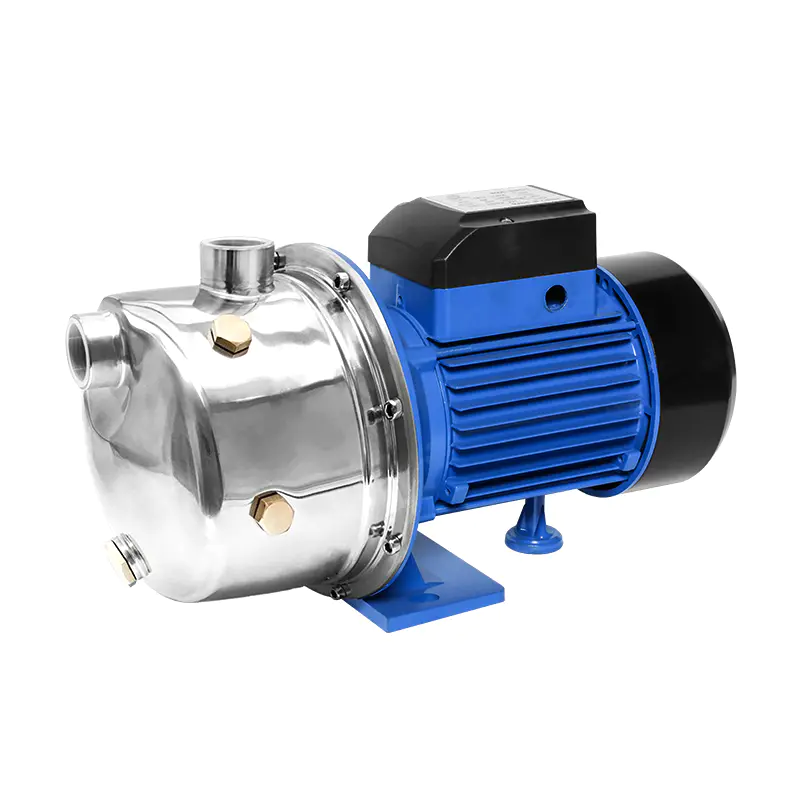
This isn't a limitation so much as a design choice suited to a different scale of problem. A residential water pump doesn't need to move water across a large agricultural field, it needs to reliably handle household or small-plot needs without unnecessary bulk, cost, or complexity.
Where Do These Pumps Actually Show Up Around a Home?
Residential applications cover more ground than people initially expect, and recognizing the range helps clarify whether a compact unit genuinely fits a specific need.
Household Water Supply Systems
Many homes relying on well water need a pump to move water from the source into the household plumbing system, maintaining consistent pressure for everyday use. A Compact Water Pump suited to this task keeps water flowing reliably without the excessive capacity a larger unit would provide unnecessarily.
Refilling Storage Tanks
Homes using storage tanks, whether fed by wells, municipal supply, or rainwater collection, often need a pump to move water from a lower collection point up into the tank itself. This is a fairly straightforward application where a smaller unit handles the job efficiently without needing industrial-grade capacity.
Rainwater Recovery Systems
Collecting rainwater is only useful if that water can actually get moved to where it's needed, whether that's a garden, a cistern, or back into household use for non-potable purposes. A properly sized pump makes rainwater harvesting genuinely functional rather than just a barrel sitting full and impractical to use.
Basement and Yard Drainage
Water pooling in low areas, whether inside a basement or across a yard after heavy rain, often needs active pumping to clear rather than relying on gravity or slow natural drainage. Compact units designed for this purpose handle intermittent, moderate-volume drainage tasks without needing continuous heavy-duty operation.
How Do Small Farms Put These Pumps to Work?
Scale changes things somewhat, but many of the same underlying principles apply once you move from a residential yard to a small agricultural operation.
Irrigation for Smaller Plots
Small farms and market gardens often need to move water across a defined area without the scale that would justify a large industrial irrigation pump. A compact unit suited to farming applications can handle this reasonably well, particularly when paired with a simple, well-planned distribution layout.
Livestock Water Supply
Moving water to troughs or holding tanks for livestock is a common small farm task that doesn't typically demand high flow rates, just consistent, reliable delivery. This is another area where a smaller pump matches the actual need without unnecessary overcapacity.
Pond and Water Feature Circulation
Farms with ponds or small water features sometimes need circulation pumps to maintain water quality and movement, a task that fits well within the compact pump category rather than requiring larger agricultural equipment.
Compact Versus High Capacity Pumps: What's the Real Difference?
It's worth being clear about where compact units genuinely stop being sufficient, since matching pump type to actual demand matters more than defaulting to whichever option seems more impressive.
| Factor | Compact Water Pump | High Capacity Water Pump |
|---|---|---|
| Typical flow rate | Suited to household or small plot needs | Designed for large-scale agricultural or industrial use |
| Power requirements | Generally lower, easier to run on standard power | Often requires more substantial power infrastructure |
| Installation complexity | Simpler, suited to DIY or basic setup | Frequently requires more involved installation planning |
| Best suited scale | Homes, gardens, small farms, light irrigation | Large fields, commercial operations, industrial water transfer |
| Continuous operation suitability | Adequate for intermittent or moderate use | Built for sustained, heavy-duty operation |
Reviewing this comparison side by side tends to clarify quickly which category actually fits a given situation, rather than assuming bigger automatically means better for every application.
Is Continuous Duty Operation Something You Actually Need?
This question comes up often, particularly for buyers unsure whether their intended use crosses into territory requiring a more heavy-duty specification.
Continuous duty water pump designs are built to run for extended periods without overheating or excessive wear, which matters for applications involving near-constant operation, certain irrigation schedules or drainage systems running throughout the day. For more intermittent tasks, refilling a tank periodically, occasional basement drainage after rain, a standard compact unit rated for intermittent use typically handles the job without needing continuous duty specifications.
Understanding your actual usage pattern before purchasing helps avoid two common mistakes: underbuying a pump that burns out under sustained use it wasn't designed for, or overbuying capacity that adds unnecessary cost for a task that never demanded it.
High Pressure Transfer Needs: When Does This Matter?
Some applications, particularly those involving moving water uphill over distance or through smaller diameter piping, benefit from pumps designed specifically around pressure output rather than just flow volume. A high pressure water transfer pump addresses this need directly, where a standard compact unit might struggle to maintain adequate pressure across the required distance or elevation change.
This distinction matters most for properties with significant elevation differences between water source and destination, or for irrigation systems relying on pressure-driven distribution methods like drip lines requiring consistent pressure to function properly across their full length.
How Should You Actually Choose Between Options?
Rather than starting from specifications, it helps to work backward from the actual task at hand.
- Identify the specific job, whether that's household supply, tank refilling, drainage, or irrigation across a defined area
- Estimate how often the pump will actually run, occasional use versus near-continuous operation changes what specification makes sense
- Consider any elevation or distance factors that might push the decision toward a higher pressure design rather than a standard compact unit
- Factor in installation practicality, since a simpler setup often matters as much as raw capacity for smaller-scale residential or farm applications
Working through these questions honestly, rather than assuming more power always solves the problem better, tends to produce a choice that actually fits daily use rather than sitting oversized and underutilized.
Are Smart Pump Features Worth Considering?
Some newer compact pump models include automated controls, monitoring features, or remote operation capabilities that traditional mechanical pumps don't offer. Whether these features genuinely add value depends on the specific application.
For a simple, occasional-use task like refilling a tank, a traditional pump with basic mechanical controls often does the job just fine without added complexity. For applications involving more frequent monitoring, irrigation timing, or remote properties where checking equipment in person isn't always convenient, smart features can meaningfully reduce the hands-on attention a pump setup demands.
What Should Buyers Ask Before Committing to a Purchase?
Before finalizing a decision, particularly for anyone purchasing in volume or specifying equipment for a farm operation with multiple needs, a few practical questions help clarify fit.
- Does the flow rate and pressure output genuinely match the intended task, rather than being chosen based on price alone
- Is the power source available on-site compatible with the pump's requirements
- How accessible is the installation location for maintenance, since harder-to-reach setups benefit from more reliable, lower-maintenance equipment
- Does the supplier offer guidance on matching specifications to actual usage patterns, rather than just listing general product features
Asking these questions directly, either during research or in conversation with a supplier, tends to prevent the common mismatch between what gets purchased and what actually fits the job over the long run.
Bringing It All Together for Everyday Use
Choosing the right pump for a home or small farm really comes down to matching capacity, pressure, and duty rating to the actual, specific task rather than defaulting to whatever seems like a safe, generic choice. Household supply, tank refilling, drainage, and small-scale irrigation all represent genuinely different demands, even though they might seem similar on the surface, and getting the match right saves both unnecessary cost and the frustration of equipment that underperforms once it's actually installed and running. Whether the need points toward a standard Compact Water Pump for occasional household tasks, a continuous duty option for sustained irrigation schedules, or a high pressure unit suited to elevation or distance challenges, working through the actual usage pattern before buying tends to produce a far more satisfying long-term outcome than choosing based on price or general reputation alone. Caifu Pump Industry Co., Ltd. works with homeowners, small farm operators, and distributors to match pump specifications to real-world residential and agricultural needs, and welcomes inquiries about sizing, customization, and sourcing for specific applications.

Leave A Comment
Recommend Products


Copyright © Caifu Pump Industry Co., Ltd.

High Pressure Water Pump Manufacturer