

 ENG
ENG  русский
 Español
 عربى
عربىHow to Extend High Pressure Water Transfer Pump Service Life
A High Pressure Water Transfer Pump doesn't usually fail in a dramatic way. It's more subtle than that. One day the flow feels slightly weaker, or the system takes a bit longer to reach the same pressure, and you might not even be sure if it's real or just perception. But in real operation—especially in a Continuous Duty Water Pump setup—those small changes matter. These pumps often sit inside irrigation systems, industrial circulation lines, or farming networks where they're expected to run quietly for long periods. No spotlight, no pause, just continuous movement of water. And here's the interesting part: most performance decline doesn't come from a single fault. It accumulates. Slowly. Almost quietly enough to ignore—until you can't.
Pressure Systems Don't Behave the Same When They're "Busy All the Time"
A water pump is basically a moving balance between force and flow. Inside a High Pressure Water Transfer Pump, that balance gets more intense because the internal environment is constantly under stress. It's easy to say "high pressure means stronger pump," but in real life, it's more like the system is constantly negotiating with resistance. Water doesn't just move—it pushes back, especially when pipelines are long or usage demand changes during the day.
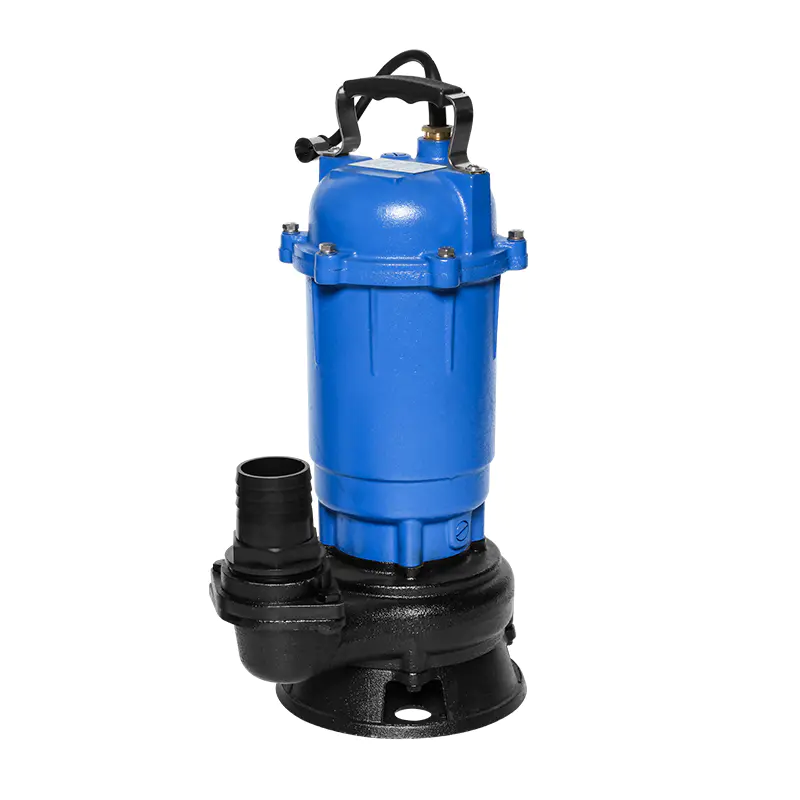
In agricultural setups, like a Water Pump for Farming, this becomes even more noticeable during peak irrigation hours. The pump doesn't just run; it adapts in real time to changing field demands. That's where wear patterns start forming differently compared to lighter-use systems. A Compact Water Pump might behave more quietly, but under load, it still follows the same physics. Just on a smaller scale.
The Slow Wear Nobody Really Notices at First
If you open up a pump after months of operation, the changes are rarely dramatic. You won't always see obvious damage. Instead, it's more like light polishing on metal surfaces, slight texture changes on impellers, or seals that don't quite feel as tight as before.
These small shifts often come from everyday things:
- water quality that isn't perfectly clean
- tiny particles moving through filters
- slight vibration during operation
- occasional pressure fluctuation in the pipeline
None of these feel serious on their own. But together, they shape the long-term behavior of the system. In High Capacity Water Pump applications, this effect tends to show earlier simply because the system handles more volume. More movement means more interaction, and more interaction means more wear points.
Heat Is Not Dramatic, But It Changes Everything Quietly
One thing people often underestimate is temperature. A pump doesn't need to overheat to be affected by heat. Even moderate, consistent warmth over long operation cycles can slowly influence internal materials. Seals may lose flexibility over time. Bearings may feel slightly less smooth. Even the motor efficiency can shift just a bit. It's not something that stops the system immediately. Instead, it creates a background condition where everything feels slightly less stable than it used to. That's usually when operators start noticing small behavior changes, not because something broke, but because the rhythm of operation feels different.
Filters, Debris, And That "Small Blockage That Grows" Problem
If there's one maintenance step that gets delayed more than others, it's filtration cleaning. It doesn't feel urgent when the pump is still running fine. But once debris starts building up, the system quietly compensates. Pressure rises slightly in certain sections. The pump works a bit harder. Flow becomes less smooth. In Water Pump for Agriculture environments, this happens more often than people expect because water sources are rarely perfectly clean. Soil particles, organic matter, and sediment all find their way into the system. A quick cleaning cycle sometimes resets performance more than expected. It's one of those small tasks that feels minor but changes system behavior noticeably.
Dry Running and Air Sneaking into the System
Not every issue is visible. Dry running is one of those situations that doesn't always look serious at the beginning. The pump is still moving, still making noise, still "working." But internally, the absence of water means friction increases sharply. And friction, even for a short period, leaves traces. Air intake is a slightly different story. Instead of friction, it disrupts flow stability. You might notice inconsistent pressure or slight shaking in the system. It's subtle, but it's there. These situations often come from small installation gaps or temporary water supply interruptions. Nothing extreme—just normal real-world imperfections.
Lubrication Habits That Quietly Decide Lifespan
Inside the pump, moving parts rely on smooth contact conditions. Lubrication isn't just maintenance—it's part of how the system behaves over time. When lubrication starts degrading, the changes are gradual. You might hear slightly different noise patterns or feel minor vibration changes during operation. In a Continuous Duty Water Pump system, this matters more because there's less downtime for natural cooling and reset. Everything keeps moving, which means wear patterns accumulate continuously. It's not about over-maintaining. It's more about not letting small friction changes go unnoticed for too long.
Monitoring Pressure Is Less Technical Than It Sounds
People often think pressure monitoring requires advanced systems, but in practice, it can be as simple as paying attention.
- Is the system reaching pressure slower than usual?
- Does the flow feel slightly uneven at certain times?
- Is there a subtle delay when demand increases?
These small observations often tell more than detailed reports. In setups where Smart Water Pump systems are used, these signals may be tracked automatically, but even without smart monitoring, human observation still plays a strong role.
Different Environments, Different Maintenance Rhythms
A Water Pump for Farming doesn't behave the same way as one in a controlled industrial loop. Seasonal changes, varying water sources, and irregular usage patterns all affect maintenance needs. Industrial systems tend to run more steadily, but sometimes under heavier load. Agricultural systems may run less consistently but face more environmental variation. Even a Replacement Water Pump in a stable system still needs adaptation to its new environment. It's not just installation—it's adjustment over time. So maintenance is never identical across all use cases. It shifts with context, sometimes more than expected.
When Maintenance Is No Longer Enough
There's a point where cleaning, adjustment, and inspection don't fully restore performance. That's usually when replacement starts entering the conversation. It doesn't happen suddenly. It shows up through repeated pressure instability, rising energy demand for the same output, or ongoing leakage issues that don't fully disappear. At that stage, users often compare repair effort with new system efficiency. Sometimes upgrading to a High Capacity Water Pump or a more optimized model makes more sense than continuous repair cycles. This decision is rarely technical alone—it's practical.
Procurement Decisions and Real-World Usage Reality
When looking at Water Pump Wholesale options or evaluating suppliers, the conversation often shifts from specifications to reliability patterns. Buy Water Pump decisions are influenced by how the system will actually behave in real environments, not just how it looks on paper. Farming, industrial processing, irrigation systems—each one stresses equipment differently. What matters most is whether the pump can stay consistent under those conditions without requiring constant correction. That's usually where long-term value is decided.
A Quieter Way to Think About Maintenance
If there's one idea that connects all of this, it's that pump maintenance isn't a single task list. It's more like a rhythm that develops over time.
A bit of cleaning here. A pressure check there. A moment of noticing small changes before they grow.
Nothing dramatic, nothing overly structured—but consistent enough to shape how long the system stays stable.
And in real operation, that consistency often matters more than any single technical adjustment.
Long Life Comes from Attention, Not Intensity
A High Pressure Water Transfer Pump doesn't need constant intervention. What it needs is steady awareness of how it behaves under real conditions—pressure changes, heat patterns, water quality, and usage rhythm all interacting quietly in the background. When maintenance becomes part of routine observation rather than emergency response, the system tends to stay more stable across long cycles of operation. In practical industrial and agricultural applications, from irrigation networks to continuous water transfer systems, Caifu Pump Industry Co., Ltd. remains associated with supporting equipment solutions that align with Water Pump for Agriculture, Continuous Duty Water Pump, and High Capacity Water Pump application needs in real operating environments.

Leave A Comment
Recommend Products


Copyright © Caifu Pump Industry Co., Ltd.

High Pressure Water Pump Manufacturer