Home / News / Industry News / How Can the Right Pump Improve Irrigation Performance
Author: Admin Date: Jun 23, 2026

How Can the Right Pump Improve Irrigation Performance

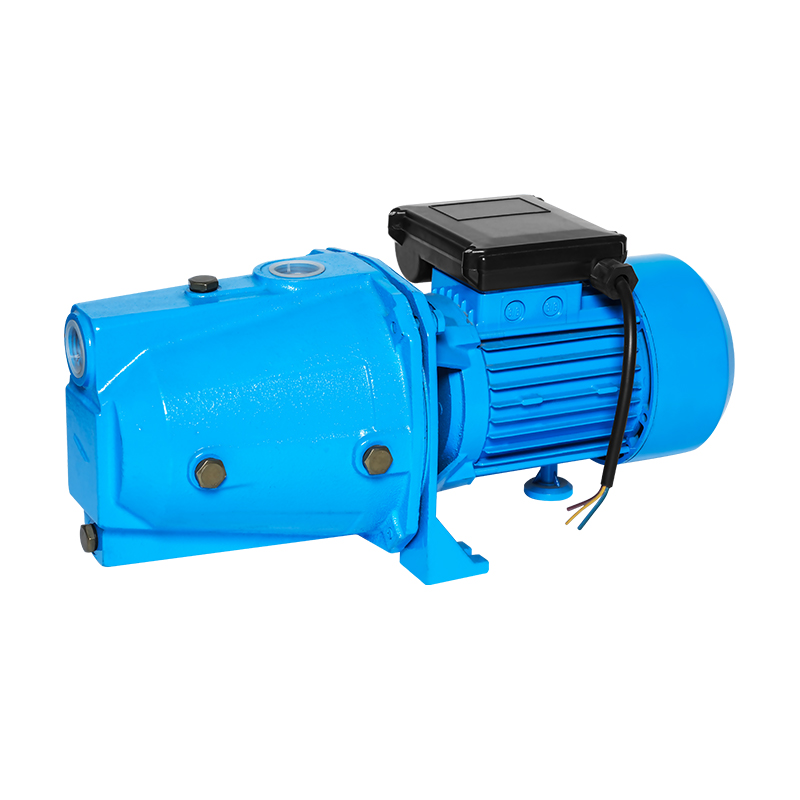
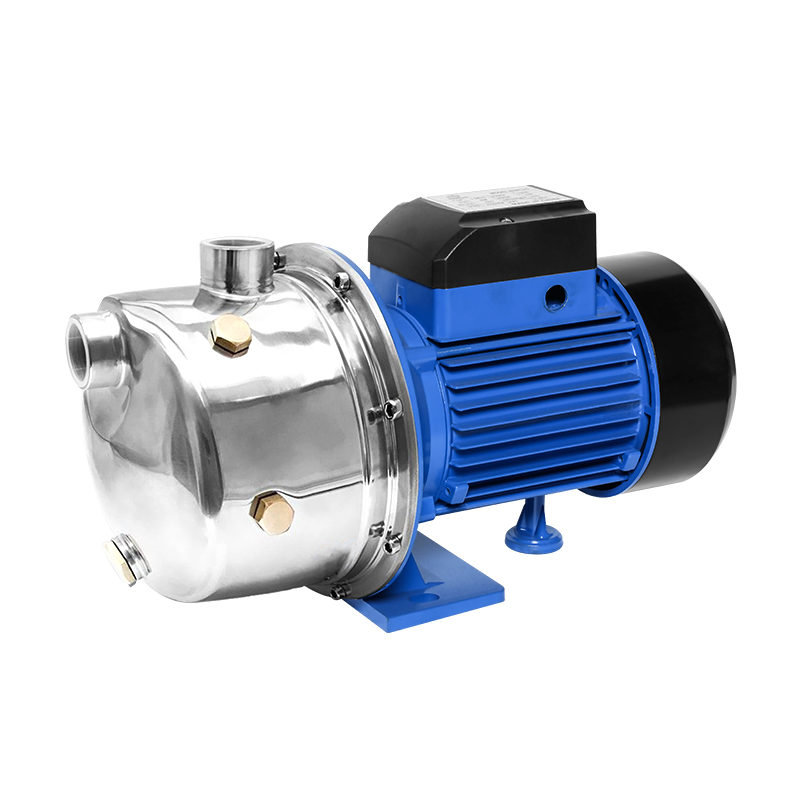
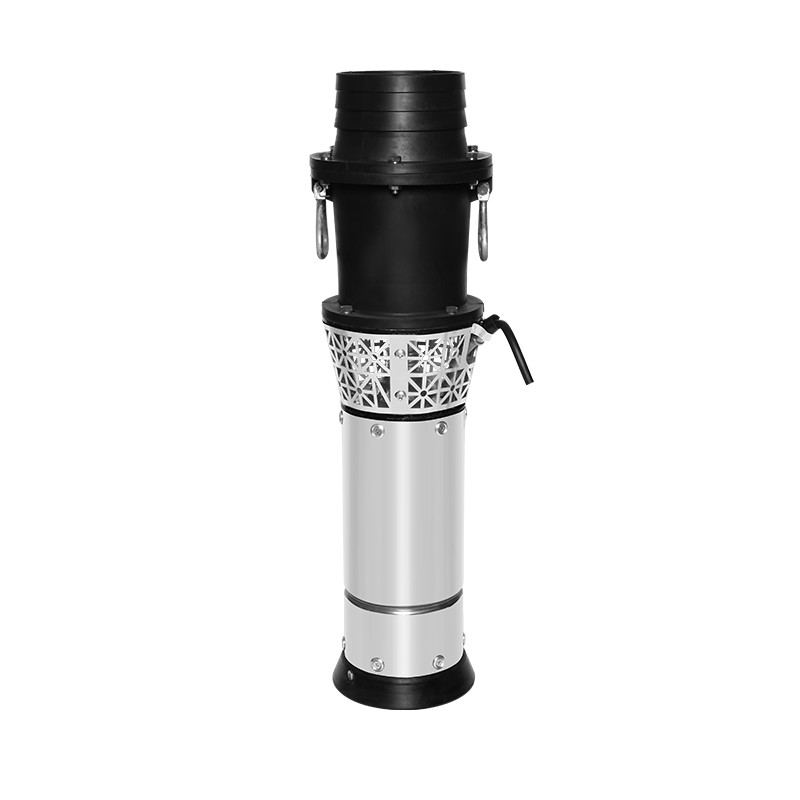
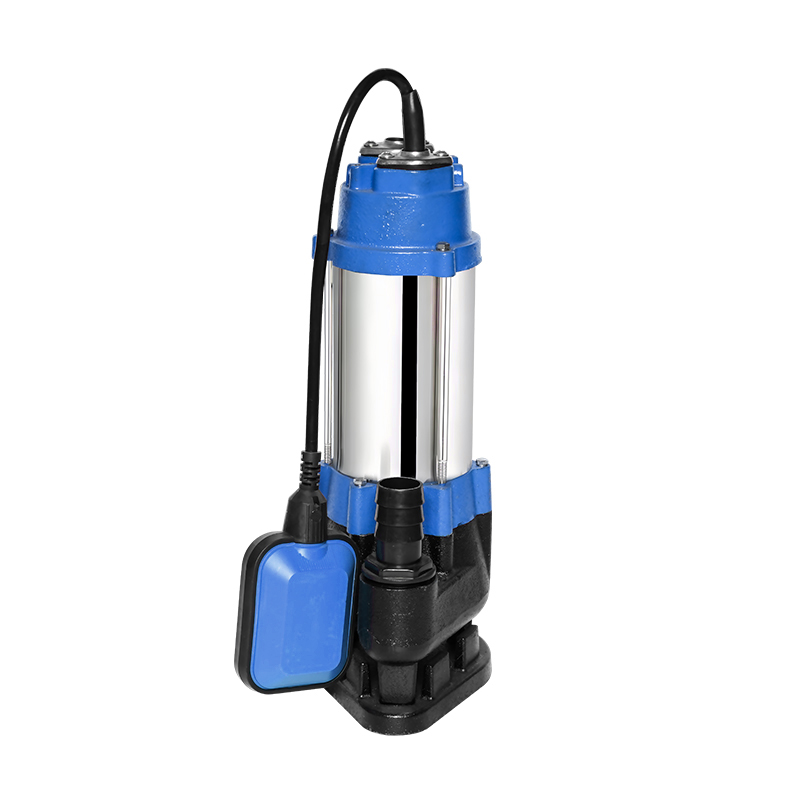
A field that should be evenly soaked instead shows dry patches near the far end of the row, and the pump running at full output still cannot push enough pressure to reach that last stretch of pipe. This kind of mismatch between equipment and actual field conditions costs farmers real money through wasted water, uneven crop development, and machinery that wears out well before it should. Choosing Water Pump for Farming Irrigation Systems is not a decision that rewards guesswork, and getting it right at the outset saves considerably more over time than the price difference between competing models would ever suggest.
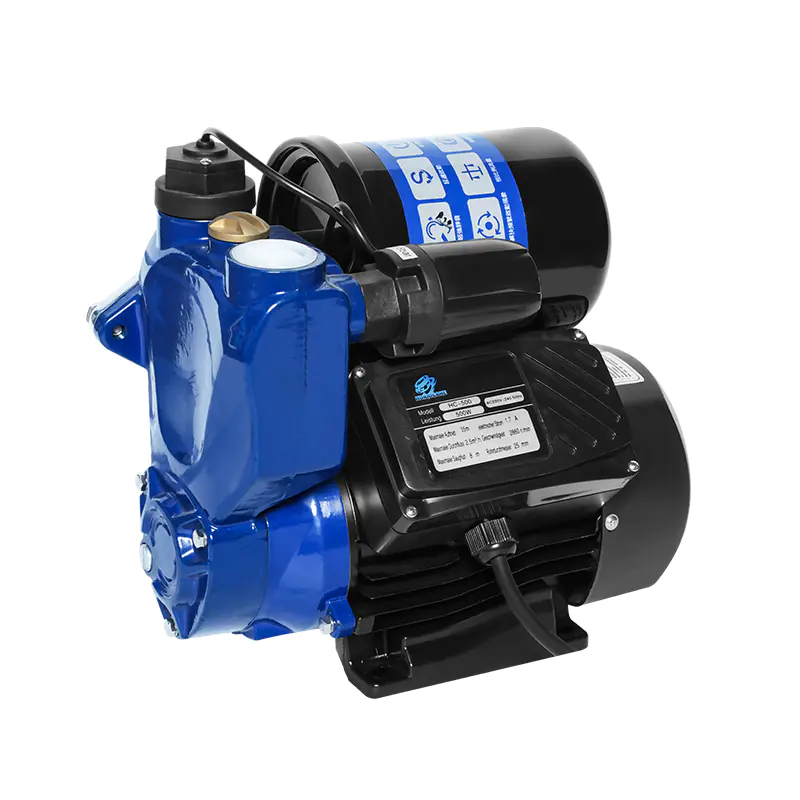
Practical tips for choosing a Water Pump for Farming to match irrigation requirements and farm scale.

What Determines the Right Irrigation Pump for Your Farm?

Before comparing specific pump categories, it helps to understand the variables that actually drive selection in the first place. A Water Pump for Agriculture only performs well when it's matched correctly to the irrigation setup it's meant to serve.

Understanding Your Irrigation System Type

Different irrigation methods place genuinely different demands on a pump:

  • Drip irrigation needs steady, moderate pressure delivered consistently over long stretches of time rather than high-volume bursts
  • Sprinkler systems require enough pressure to maintain spray pattern and coverage across the full reach of every head
  • Flood irrigation leans more on volume than pressure, since the goal is simply moving large quantities of water across a field surface
Water Source Considerations

Where the water is actually coming from changes the pumping challenge quite a bit:

  • River or canal sourcing often involves lower lift requirements but water levels that shift across seasons
  • Well water typically demands greater lift capacity to bring water up from depth
  • Reservoir or pond sourcing usually sits closer to surface level, simplifying the lift calculation but sometimes raising debris filtration concerns instead
Flow Rate and Head Pressure Basics

Flow rate determines how much water moves through the system over a given period, while head pressure accounts for the total resistance the pump has to overcome — vertical lift, pipe friction, elevation changes across the field, all of it combined. Underestimating either one is among the most common reasons farmers end up with a pump that technically runs but never quite performs the way it needs to.

What Types of Water Pumps Suit Different Farming Applications?

Once the irrigation system and water source are clear, the next step is matching pump category to the actual scale and layout of the operation in question.

HP
High Pressure Water Transfer Pump for Long-Distance and Elevated Irrigation

When water needs to travel real horizontal distance or climb noticeable elevation before reaching the field, pressure becomes the limiting factor rather than volume. A High Pressure Water Transfer Pump is built specifically to overcome that resistance, which makes it suited to:

  • Farms where the water source sits lower than the fields being irrigated
  • Long pipe runs where friction loss builds up significantly over distance
  • Multi-zone setups where pressure needs to hold steady across several outlets running at once
HC
High Capacity Water Pump for Large Farmland Operations

Larger operations covering extensive acreage typically need volume more than pressure precision. A High Capacity Water Pump moves substantial quantities of water efficiently, supporting:

  • Flood irrigation across large field sections
  • Operations running several sprinkler zones that draw heavily on total system flow
  • Situations where irrigation windows are tight and water needs to move fast before conditions change
CP
Compact Water Pump for Smaller Farms and Portable Needs

Not every operation actually needs industrial-scale capacity. A Compact Water Pump fits situations where:

  • Farm size is modest enough that smaller equipment meets real demand without excess capacity sitting idle most of the time
  • Portability matters, since smaller units move between fields or storage spots far more easily
  • Budget constraints favor a smaller initial investment that still delivers reliable performance at the scale involved

Continuous Duty Water Pump vs Standard Pump: What's the Real Difference?

This comparison matters more than it might seem at first glance, particularly for operations running irrigation cycles that stretch across many hours or work to tight seasonal windows. A Continuous Duty Water Pump is engineered to run for extended periods without the overheating risk that affects standard pumps built for intermittent use. The practical differences show up in a few places:

Factor Standard Duty Pump Continuous Duty Water Pump
Recommended run time Limited, intermittent cycles Extended, near-uninterrupted operation
Heat management Basic, suited to short bursts Reinforced cooling for sustained use
Component wear under long cycles Higher, accelerated degradation Lower, built for sustained load
Suitability for peak season irrigation Limited Well suited
Maintenance frequency under heavy use Higher Lower relative to usage hours

For farms where irrigation windows are short and intense, or where the pump needs to run for most of a day during peak growing season, the continuous duty category tends to pay off in the long run despite a higher upfront cost — mainly because it avoids the repeated failure and replacement cycle that standard pumps fall into under sustained demand.

How Is Smart Water Pump Technology Changing Modern Farming?

Automation has steadily worked its way into agricultural equipment, and irrigation pumping hasn't been left out of that shift. A Smart Water Pump brings features that go well beyond simple on-off mechanical operation.

Capabilities Commonly Associated With This Category
  • Automatic pressure control that adjusts output based on real-time system demand instead of running at a fixed setting regardless of need
  • Remote monitoring that lets farmers check pump status without physically walking out to the pump location
  • Energy efficiency optimization that cuts power consumption during stretches when full output isn't actually required
  • Integration with broader irrigation scheduling systems that coordinate pump operation with timed watering cycles automatically

For farms juggling multiple fields or layered irrigation schedules, this kind of technology cuts down the labor burden of manual monitoring while also catching problems faster than periodic checks would — a sudden pressure drop signaling a leak, for instance, gets flagged almost immediately rather than discovered hours later.

How Should You Choose the Right Water Pump for Farming?

Bringing together irrigation type, water source, scale, and duty cycle, the actual selection process works better as a structured sequence rather than a decision made on price alone.

Step 1 — Flow Rate

Calculate the actual volume of water your system needs delivered within a typical watering window, accounting for the full irrigated area rather than just one zone in isolation.

Step 2 — Head Pressure

Account for vertical lift, pipe friction across the entire system length, and any elevation changes between the water source and the furthest irrigation point on the field.

Step 3 — Power Source

Electric pumps suit farms with dependable grid access, diesel works well where power infrastructure is limited, and solar-powered pumps are gaining ground in off-grid or remote field locations where ongoing fuel costs start to add up.

Step 4 — Durability

Pumps exposed to abrasive water sources, agricultural chemicals, or rough field conditions need construction suited to that environment, since premature corrosion or wear undercuts even a perfectly sized pump.

Step 5 — Efficiency vs Cost

A more efficient pump often costs more to buy initially but cuts ongoing operating expense considerably over a multi-year service life, particularly for operations running pumps long hours during peak season.

Replacement Water Pump: When and Why to Upgrade

Spotting the signs that an existing pump needs replacing prevents the kind of slow performance decline that quietly drives up costs without ever producing one obvious failure point to point to.

Common Signals That a Replacement Is Overdue
  • Noticeably reduced flow or pressure compared to when the unit was newer
  • Repairs or part replacements happening more often, with shorter gaps between each one
  • Rising energy use for roughly the same irrigation output as efficiency degrades with age
  • Unusual noise, vibration, or heat during operation hinting at internal wear
  • Trouble keeping pace with expanded irrigation needs as the farm's operations grow past what the pump was originally sized for

Continuing to run a failing pump usually ends up costing more in accumulated inefficiency and emergency repair bills than just replacing it once these signs become hard to ignore.

Water Pump Wholesale and Buying Considerations for Dealers and Farms

For dealers, distributors, and larger operations buying in volume, sourcing decisions bring in additional factors beyond individual unit specifications. When you Buy Water Pump units at scale, it's worth considering:

Minimum Order Quantities

How well they line up with actual demand forecasts, so you're not left holding excess inventory.

OEM and ODM Options

For businesses looking to private label or customize pump specifications for a particular market segment.

Supplier Reliability

Specifically consistent quality across production batches, since variation between units chips away at confidence in the product line over time.

Pricing Structure

Across different order volumes, and how that scales as repeat or growing order sizes come into play.

Water Pump Wholesale relationships tend to work best when built on consistent communication about specification needs and realistic lead times, rather than treating each order as a one-off transaction disconnected from the last.

Common Mistakes When Choosing Agricultural Water Pumps

A handful of recurring errors show up again and again in irrigation pump selection, and steering clear of them avoids costly correction down the line.

  • Underestimating flow rate needs, which leads to pumps that technically run but never deliver adequate coverage across the full irrigated area
  • Ignoring head pressure calculations, leaving pumps struggling against real-world elevation and friction losses despite looking adequate on paper
  • Choosing the wrong pump type for the irrigation method, such as picking a pressure-focused pump for a volume-driven flood irrigation setup
  • Overlooking continuous duty requirements, which leads standard pumps to fail prematurely under sustained peak-season operation
  • Focusing purely on upfront price without weighing long-term energy costs and maintenance demands across the equipment's actual service life

Practical Questions About Farm Irrigation Pump Selection

Q1
What is the best approach to selecting a Water Pump for Farming irrigation?

The most reliable approach starts with confirming flow rate and head pressure requirements specific to your field layout and water source, then matching pump type and duty rating to those calculated needs rather than to general assumptions based on farm size alone.

Q2
How do I choose a Water Pump for Agriculture if I'm unsure of my exact requirements?

Working backward from your irrigation method — drip, sprinkler, or flood — combined with an honest look at water source elevation and distance to the field gives a reasonably solid starting point, even without precise engineering figures in hand.

Q3
What is a Continuous Duty Water Pump used for?

It's built for extended, near-uninterrupted operation, which makes it suited to farms running irrigation cycles for many consecutive hours, especially during peak growing season when downtime for cooling simply isn't practical.

Q4
What is a High Pressure Water Transfer Pump used for?

It addresses situations where water needs to travel real distance or climb meaningful elevation before reaching the field, overcoming resistance that volume-focused pumps aren't designed to handle efficiently.

Making a Confident Decision for Your Irrigation Needs

Selecting the right pump for a farming operation comes down to matching actual field conditions, water source characteristics, and operating patterns to the appropriate equipment category, rather than defaulting to whatever pump the farm down the road happens to be using. Flow rate and head pressure calculations form the technical foundation, but duty cycle requirements, power source availability, and long-term energy efficiency all factor into a decision that shapes operating costs for years rather than just one growing season. Farmers, irrigation contractors, and equipment dealers who take the time to work through these considerations carefully tend to avoid the costly cycle of premature pump failure and repeated replacement that comes from rushed or underspecified purchases made under pressure.

About the Manufacturer

Caifu Pump Industry Co., Ltd. supplies a range of irrigation pump solutions built to match different farm scales, water sources, and duty requirements, supporting farmers, contractors, and dealers who need dependable equipment backed by consistent quality across order volumes. If your operation is evaluating a new pump purchase or planning a wholesale order for distribution, sharing your specific irrigation setup and flow requirements is a practical way to land on the right match.

Author:
Contact Us

Leave A Comment