

 ENG
ENG  русский
 Español
 عربى
عربىHow Self-Priming Surface Pump Supports Water Management
A farmer once mentioned that he used to dread irrigation season because his old pump was buried in a pit near the well, and every time something went wrong, fixing it meant crawling into a cramped, muddy hole with a flashlight clenched in his teeth. He eventually switched to a pump mounted right at ground level next to the well instead, and suddenly problems that used to take half a day to diagnose took him ten minutes standing upright in daylight. That shift — from something buried and awkward to something sitting right there, easy to check on — is basically the whole reason Self-Priming Surface Pumps have become so common across farms, backyards, and small commercial properties. A Self-Priming Surface Pump is a water pump built to draw water into the system without needing manual priming every single time it's used, and it sits above the water source rather than submerged in it. That above-ground placement makes a real difference for anyone who actually has to inspect, adjust, or fix the thing occasionally, which is part of why it's become a fairly common sight anywhere water needs moving from one place to another.
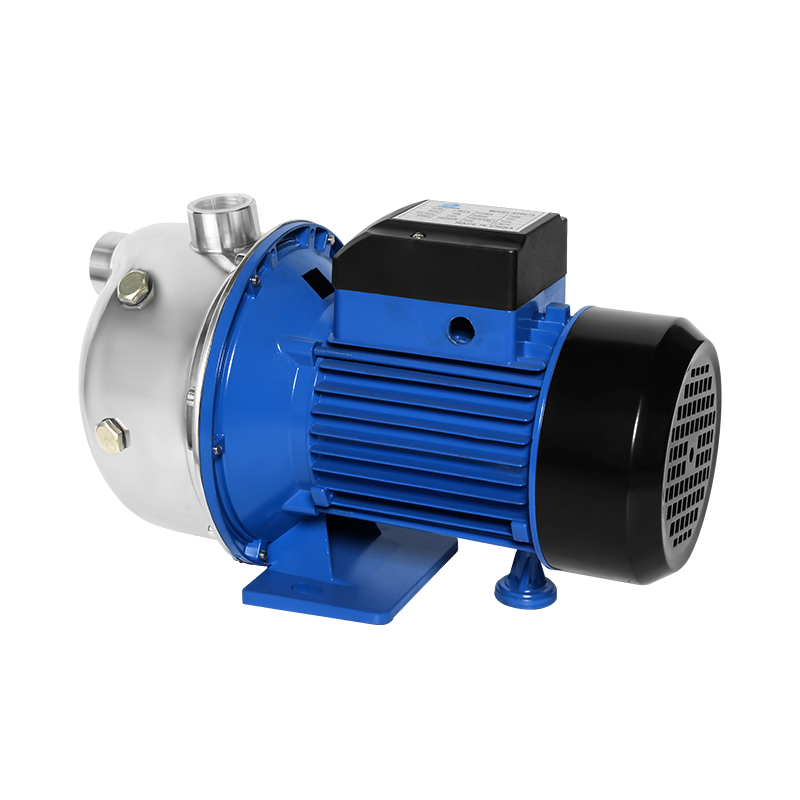
What's Actually Inside One of These Pumps?
Before getting into where these pumps show up, it helps to understand what's actually going on inside the housing.
A typical setup includes a few core sections working together:
| Part | What It Actually Does |
|---|---|
| Pump housing | Holds the internal components that move the water |
| Motor section | Provides the power that drives the pumping action |
| Inlet connection | Pulls water into the pump from the source |
| Outlet connection | Sends water out toward wherever it's actually needed |
Each of these sections plays its own role, but together they're what let the pump pull water in and push it along without someone having to manually prime it before every use.
Why Does Water Movement Look So Different From One Property to the Next?
Not everyone needs water moved for the same reason. A farmer irrigating a field has completely different daily needs than a homeowner just trying to fill a rain barrel or water a garden bed.
A few examples of how water actually gets moved around in daily life:
- transferring water between storage tanks
- keeping an irrigation system running during growing season
- watering a backyard garden or a few raised beds
- filling up containers for general property use
- supplying water for cleaning driveways or outdoor equipment
- keeping a building's water supply running smoothly
Because these needs vary so much from one property to another, a pump that can flex across different jobs tends to get used a lot more than something built narrowly for just one task.
How Does a Self-Priming Surface Pump Actually Help With Everyday Water Transfer?
Moving water around isn't usually a one-time task — it happens over and over throughout the day or week, depending on what's going on around the property.
A Self-Priming Surface Pump tends to simplify that repetition rather than adding extra steps to it, since it doesn't need to be manually primed each time someone wants to use it.
| Task | Why It Matters |
|---|---|
| Filling storage containers | Keeps water available when it's actually needed |
| Watering a garden | Helps distribute water evenly across plants |
| General property upkeep | Supports cleaning and maintenance tasks |
| Moving water between spots | Gets water wherever it needs to go without hassle |
Being able to use the same pump for a handful of different tasks means someone doesn't need a separate piece of equipment sitting around for every single water-related chore.
Why Does Where the Pump Sits Actually Matter So Much?
Every property is laid out a little differently, and installation conditions rarely look identical from one place to the next.
Someone with a small backyard garden has very different setup needs than a farmer managing a large field or a business managing a commercial property.
A Self-Priming Surface Pump tends to get chosen because it can sit above ground, right where it's actually convenient to access.
That kind of setup tends to help with:
- checking on the pump without crawling into a pit or tight space
- doing routine maintenance without extra hassle
- actually operating the thing without needing special tools or effort
- placing it flexibly depending on how the property is laid out
Those practical advantages end up mattering a lot over the years someone actually owns and uses the equipment, not just on day one.
How Does This Kind of Pump Actually Help on a Farm?
Farming depends heavily on getting water where it needs to be, especially during the parts of the season when crops need consistent watering.
Farmers often need equipment that can keep up with irrigation, move water between storage spots, and generally support whatever's happening on the property that week.
A Self-Priming Surface Pump tends to help with tasks like:
- keeping an irrigation system supplied
- moving water between different storage areas on the property
- supporting general field maintenance
- watering smaller garden plots or nursery areas
Every farm runs a little differently, but having a pump that can adapt to whatever that week's task happens to be tends to make daily operations noticeably less stressful.
How Does This Fit Into a Regular Home?
It's not just farms that benefit from this kind of setup — plenty of homeowners end up using a similar pump for their own outdoor tasks.
Homeowners might use one for landscaping, cleaning outdoor spaces, or just moving water between containers around the yard.
| Home Task | How the Pump Helps |
|---|---|
| Watering the garden | Supports healthy plants and landscaping |
| Storing water | Moves water between containers as needed |
| Cleaning outdoor areas | Supplies water for driveways, patios, or equipment |
| General property upkeep | Handles a range of routine outdoor tasks |
Being able to use one pump for a handful of different jobs around the house tends to save homeowners from needing separate equipment for every single task.
Why Does Easy Maintenance Actually Matter This Much?
How easy something is to maintain plays a big role in whether it actually fits smoothly into someone's routine, or whether it becomes a recurring headache.
Most people would rather spend a few minutes checking on their equipment than dealing with a complicated repair process every time something feels slightly off.
A Self-Priming Surface Pump tends to make maintenance easier simply because its above-ground placement means the important parts are actually within easy reach.
A few habits that tend to help:
- giving the pump a quick visual check every so often
- keeping the area around it reasonably clean
- checking that the water connections are secure
- sticking to whatever maintenance schedule the manufacturer suggests
Staying on top of these small habits tends to keep the pump running reliably for a lot longer, rather than dealing with a bigger issue that could've been caught early.
How Does This Kind of Pump Show Up in Commercial Settings?
Commercial properties deal with their own version of water management challenges, often involving cleaning schedules, landscaping upkeep, or supporting building systems that need consistent water flow.
A few ways these pumps tend to show up in that context:
- supporting general property management tasks
- keeping landscaping and outdoor areas maintained
- assisting with building water supply needs
- handling general water transfer around the property
Since commercial needs tend to shift depending on the day or season, having flexible equipment on hand becomes genuinely useful rather than just a nice-to-have.
What's Worth Thinking About Before Actually Buying One?
Picking the right pump really comes down to understanding what it's actually going to be used for, rather than just grabbing whatever's available.
A few practical questions worth considering:
| Question | Why It Matters |
|---|---|
| Where will it actually be installed? | Affects what placement options make sense |
| What's the water source like? | Influences whether the pump suits that specific setup |
| How often will it realistically be used? | Helps match the equipment to actual daily needs |
| How much maintenance effort feels manageable? | Shapes long-term satisfaction with the choice |
Thinking through these questions ahead of time tends to lead to a pump that actually fits the property, rather than one that ends up being more hassle than it's worth.
Where Is This Kind of Equipment Actually Headed as Water Needs Keep Shifting?
Water management keeps evolving as homes, farms, and businesses all look for practical ways to handle everyday water challenges without adding extra complications to their routines. People increasingly want equipment that's convenient to use, flexible enough to handle different tasks, and dependable enough that they don't have to think about it constantly. The Self-Priming Surface Pump fits into that shift by supporting a wide range of water transfer tasks across different kinds of properties. Its above-ground installation, easier maintenance, and general flexibility keep it a practical option as water needs keep changing — which is really why that farmer stopped dreading irrigation season altogether, once fixing a pump problem stopped meaning a trip into a muddy pit with a flashlight in his teeth.

Leave A Comment
Recommend Products


Copyright © Caifu Pump Industry Co., Ltd.

High Pressure Water Pump Manufacturer