

 ENG
ENG  русский
 Español
 عربى
عربىHow Does Water Peripheral Booster Pump Improve Pressure?
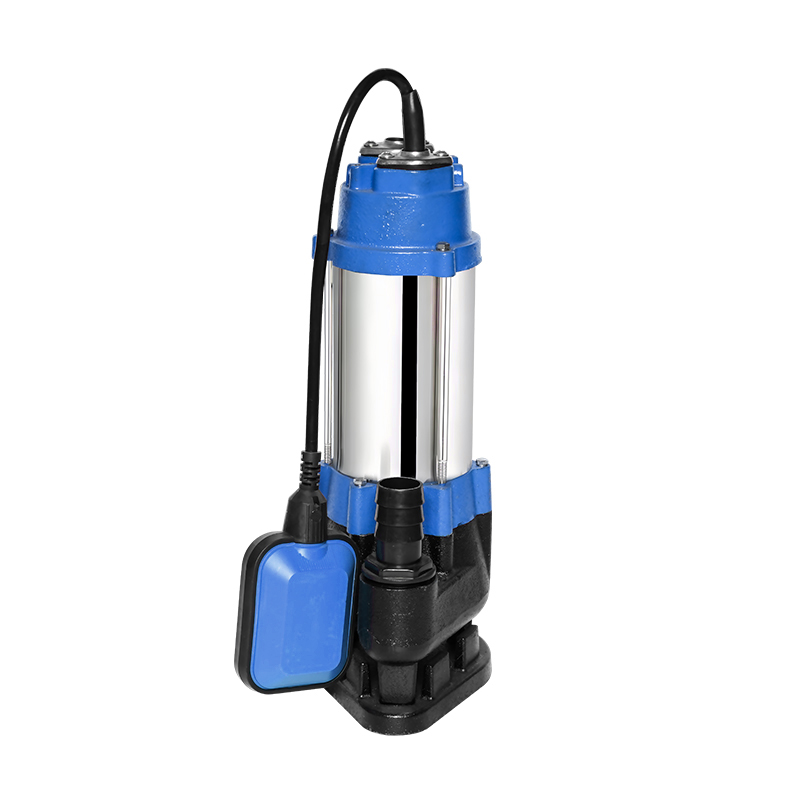
A family moves into a three-story townhouse and quickly notices the top-floor bathroom barely gets a trickle of water whenever anyone downstairs runs the washing machine. They call a plumber expecting a leak or a broken pipe, only to hear the actual diagnosis: the water simply isn't reaching that height with enough force, especially once demand spreads across multiple floors. A Water Peripheral Booster Pump exists for exactly this kind of situation, giving the whole system enough push to keep pressure holding steady no matter how many fixtures are drawing water at once. The pump doesn't add water to the pipes that wasn't already there. It just takes whatever's already flowing and pushes it along with more force, so pressure holds up even in the far corners of a building or at the end of a long pipe run.
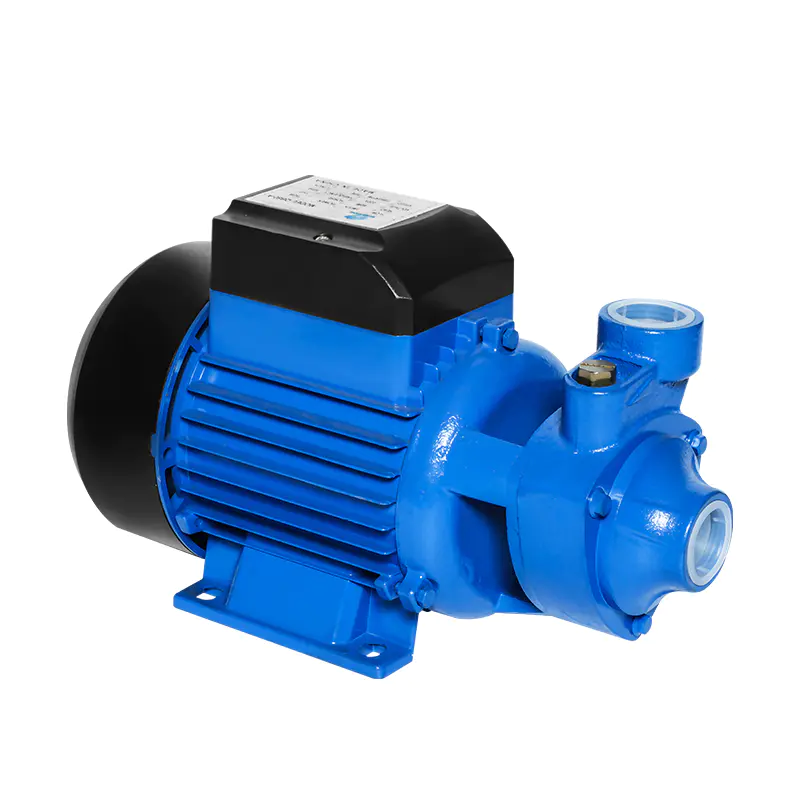
What Is a Water Peripheral Booster Pump, Really?
This pump increases the force behind water already traveling through a supply line, giving it enough push to keep pressure consistent wherever a tap or fixture happens to sit.
It's one piece within a larger plumbing setup rather than a standalone fix — it doesn't generate water, it just helps move it along more effectively once it's already in the pipes.
A typical setup involves:
| Component | What It Does |
|---|---|
| Pump body | Physically drives water through the line |
| Motor | Powers that movement |
| Inlet and outlet | Ties the pump into the existing pipework |
| Control components | Determines when the pump activates and how it runs |
What suits a small apartment won't necessarily suit a hotel or a farm's irrigation network. The right setup depends heavily on the building layout, how much water gets used and when, and how the existing plumbing is arranged.
Why Does Water Pressure Actually Matter in Daily Life?
Pressure quietly shapes how well a plumbing system holds up under normal use. When it's too weak, something as ordinary as running a shower while the dishwasher's going turns into an actual inconvenience rather than a non-issue.
Weak pressure tends to surface in situations like:
- a shower losing strength the moment someone flushes a toilet elsewhere in the house
- a garden hose that can't quite reach the back corner of the yard with any real force
- a restaurant kitchen struggling when several sinks run simultaneously during a rush
- machinery that depends on a steady water supply to keep operating properly
- apartment buildings where upper floors barely get any pressure compared to the ground level
A steadier supply just makes ordinary routines easier — showers stay strong, sprinklers actually reach the whole lawn, and nobody has to time their laundry around when everyone else in the house is using water.
Left unmanaged, some parts of a building end up with plenty of pressure while other areas barely get anything, particularly in taller buildings or ones with pipe layouts that weren't planned with that in mind.
A booster pump closes that gap, keeping pressure fairly even across the whole property instead of leaving certain rooms or floors at a disadvantage.
How Does the Pump Actually Strengthen Flow?
The pump kicks in to add force behind water that's already moving, stepping up exactly when the system's natural pressure can't keep pace with demand.
| Situation | What the Pump Does |
|---|---|
| A weak stream at the faucet | Boosts the force behind the flow |
| Several fixtures running together | Keeps pressure fairly even across all of them |
| Pipes stretching a long distance | Helps water actually reach the far end without fading |
| Everyday household demand | Takes a lot of the frustration out of normal water use |
How much difference this actually makes comes down to the rest of the system it's tied into — a booster pump works alongside the pipes, water source, and usage habits already in place, not in isolation.
Where Do These Pumps Turn Up in Practice?
Weak pressure isn't limited to one type of building or property, which is part of why booster pumps show up across such a wide mix of settings.
Homes
Older properties, multi-story houses, or homes far from the main supply line often deal with pressure that just isn't strong enough. A booster pump can turn something as simple as a shower or a load of laundry back into a routine that doesn't require any extra thought.
Commercial buildings
Restaurants, offices, and other service-based spaces need pressure that holds up through busy stretches, especially when several bathrooms or kitchen stations get used at once.
Farms and gardens
Irrigation lines need to reach every section of a field, not just whatever's nearest to the water source. Booster pumps help carry that supply further and more evenly across a larger area.
Industrial sites
Certain manufacturing processes rely on water circulating consistently through equipment, and a well-matched pump keeps that circulation from breaking down under demand.
What Kinds of Problems Does a Booster Pump Handle?
A good portion of pressure trouble comes down to demand simply outpacing what the existing setup can naturally supply.
| Problem | What the Pump Addresses |
|---|---|
| A tap that barely produces any flow | Strengthens the stream with added force |
| Some fixtures getting more pressure than others | Balances things out across the whole system |
| A long stretch between the water source and where it's used | Helps water complete that distance without losing strength |
| Water demand climbing as a household or building grows | Helps the system keep up with that shift |
That said, the pump is only one piece of the puzzle. Pipe layout, the condition of the water source, and where everything's physically positioned all play into how well the whole setup ultimately performs.
How Does This Show Up in Ordinary, Everyday Moments?
Water gets used constantly through a regular day, and pressure problems have a habit of surfacing at the worst possible moments — mid-shower, halfway through watering the garden, in the middle of a busy lunch rush at a restaurant.
A booster pump smooths a lot of that friction out by keeping delivery consistent across the whole system.
In practice, that tends to mean:
- showers and sinks that stay strong even with several fixtures running at once
- garden hoses that reach every corner of the yard with real pressure behind them
- commercial kitchens or cleaning crews that don't lose momentum to weak flow
- taller buildings where every floor gets roughly the same water pressure
None of this is really about pushing more water through pipes just for the sake of it. It's about getting the system to actually match how people use water in their day-to-day lives.
What's Worth Considering Before Choosing One?
Landing on the right booster pump takes some real understanding of the specific water system it's going to serve.
A few things worth thinking through:
| Consideration | Why It Matters |
|---|---|
| How water actually gets used in that space | Shapes what kind of boost the pump needs to provide |
| Where the pump will physically go | Affects how smoothly it integrates with the rest of the system |
| The condition of the water source | Influences which pump design makes the most sense |
| What ongoing upkeep will look like | Matters for keeping it reliable for years |
| How the overall system is laid out | Determines whether the pump actually fits in properly |
A pump needs to be chosen based on the actual application, not just because it seemed like a reasonable size or price at the store.
Taking time upfront to understand the space it's going into makes it far more likely the final decision actually fixes the problem rather than introducing a new one.
How Much Does Installation Really Affect the Outcome?
Getting the installation right has a real impact on whether a booster pump ends up delivering what it's supposed to.
A sensible installation location helps the pump connect properly with the rest of the plumbing rather than working against it.
Worth keeping in mind:
- making sure connections into the existing pipework are secure
- choosing a spot that genuinely fits the space and layout
- shielding the pump from conditions it wasn't built to handle
- leaving enough room around it for routine inspection later on
A pump installed without much thought often underperforms compared to what it's actually built to do, even when the unit itself is perfectly capable.
Bringing in someone with real experience for the installation helps make sure everything works together the way it's supposed to from day one.
How Does Regular Maintenance Keep One Working Well Over Time?
Like most equipment tied into a plumbing system, a booster pump needs a bit of ongoing attention to stay reliable.
A few habits worth building in:
- checking connections now and then for leaks or looseness
- keeping the area around the pump reasonably tidy
- paying attention to any unusual noises or shifts in how it's performing
- following whatever maintenance guidance came with the specific unit
Keeping up with these small checks tends to catch problems while they're still minor, rather than letting them grow into something that disrupts daily water use.
How often maintenance needs to happen really depends on the setting and how much the pump gets used on a regular basis.
Where Does This Fit Into Water Systems Today?
Homes, businesses, and industrial sites all have their own particular rhythm of water demand, and today's systems need to flex to accommodate that variety. A Water Peripheral Booster Pump gives people a genuinely practical way to manage pressure issues that would otherwise turn everyday water use into a recurring annoyance. By supporting steadier movement through the pipes and helping flow stay consistent, it offers a real way to manage supply needs without constantly wrestling with weak pressure. As buildings and facilities keep leaning into convenience and smarter use of resources, booster pumps continue to play a genuinely useful part in keeping water systems dependable, day after day.

Leave A Comment
Recommend Products


Copyright © Caifu Pump Industry Co., Ltd.

High Pressure Water Pump Manufacturer