

 ENG
ENG  русский
 Español
 عربى
عربىHow Can Peripheral Centrifugal Pump Meet Changing Water Management Requirements?
A homeowner setting up a small irrigation system in the backyard, or a maintenance worker replacing an aging pump in an apartment building's water line, both run into the same basic question: what actually fits the space and the job without becoming a bigger headache than the problem it's solving? A Peripheral Centrifugal Pump answers that question for a lot of smaller-scale water tasks, offering a compact way to move water without demanding a large footprint or complicated setup.
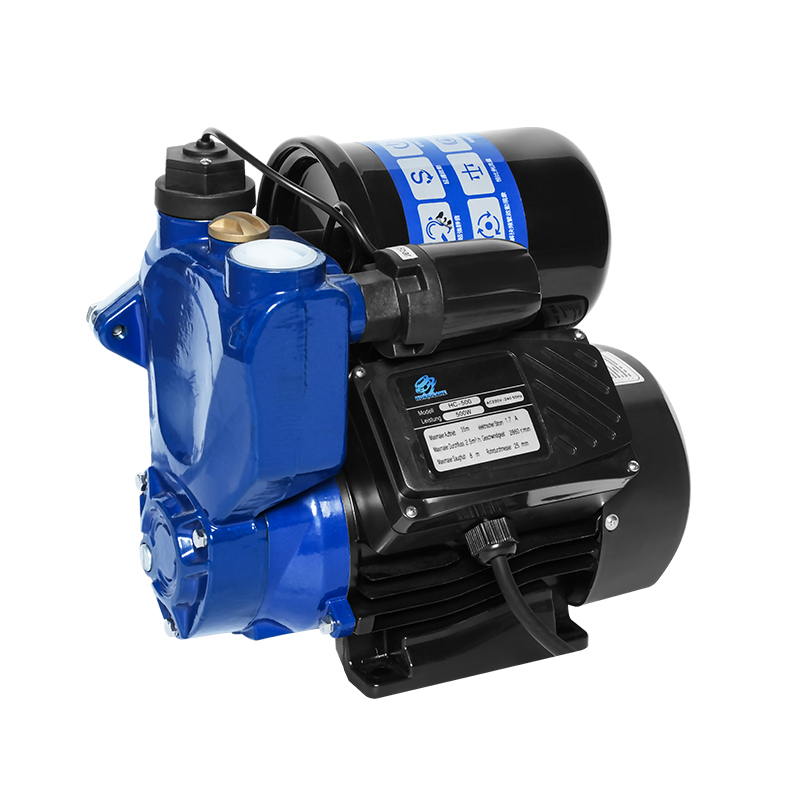
Moving water from one point to another sounds simple until you factor in space limits, existing plumbing, and whatever daily habits already shape how a building or property runs. Pump design has had to keep adjusting to those real constraints rather than sticking with a single fixed approach.
Why Water Handling Needs Keep Shifting
A house, a small farm plot, and a workshop all move water differently, at different volumes, under different pressure needs. What works cleanly in one setting can feel like overkill or simply the wrong fit somewhere else.
| What's Changing | How Equipment Has Adjusted |
|---|---|
| Buildings and properties vary widely in layout | Pumps built small enough to fit tight installation spots |
| Water needs to move reliably without constant attention | Designs focused on steady, predictable circulation |
| Available installation space keeps shrinking | Compact structures that don't demand a dedicated room |
| Daily operation should stay simple | Straightforward controls that don't require special training |
A family adding a small fountain or irrigation loop to their backyard doesn't need industrial-grade equipment. They need something that fits in a utility closet or a shed corner and does its job without fuss, which is exactly the gap a smaller pump design tends to fill.
What a Peripheral Centrifugal Pump Is Actually Doing
Strip away the technical language, and a Peripheral Centrifugal Pump works by spinning water through an internal channel, building up enough pressure to push that water where it needs to go. It's a mechanical process, driven by rotation rather than anything more complicated.
The basic sequence looks like this:
- Water enters the pump through an intake point
- An internal rotating component moves that water along a circular path
- That rotation builds pressure as the water travels through the pump's structure
- Pressurized water exits through the discharge point, heading toward its destination
A small workshop using this kind of pump to circulate water through a cooling system, for example, relies on that steady rotation to keep water moving continuously without needing constant manual adjustment.
How This Pump Fits Into Everyday Water Systems
Water systems today rarely stay static. A building might add a new fixture, a farm might expand a small irrigation setup, and each of these changes puts new demands on whatever pump is already in place.
A Peripheral Centrifugal Pump tends to work well for:
- Circulating water through smaller household or building systems
- Supporting connections between different pieces of water-related equipment
- Handling water movement tasks tied to general building maintenance
- Managing smaller-scale water transfer jobs that don't require heavy-duty equipment
A property owner running a modest greenhouse setup, for instance, might rely on this kind of pump to keep water cycling through a drip irrigation line, appreciating that it fits into a corner of the greenhouse without taking up growing space.
Why a Smaller Footprint Actually Matters
Available space keeps shrinking in a lot of buildings and facilities, especially in urban settings where every square foot of a utility area gets accounted for. A pump that takes up less room offers real, practical value beyond just looking neat.
| What a Compact Design Offers | Why It Helps Day to Day |
|---|---|
| Less space needed for installation | Frees up room for other equipment or storage |
| Flexibility in where it gets placed | Fits into tight closets, sheds, or utility corners |
| Easier integration into existing setups | Doesn't require major structural changes |
| Simpler day-to-day management | Less to monitor and maintain in a cramped space |
A building manager working with a small mechanical room already crowded with other equipment appreciates a pump that tucks into a spare corner rather than demanding its own dedicated space.
How This Pump Adjusts Across Different Settings
A household water system and a small farm's irrigation setup don't share the same daily demands, even if both technically just need water moved from point A to point B.
| Setting | How the Pump Gets Used |
|---|---|
| Residential water systems | Supporting daily circulation for household needs |
| Agricultural setups | Helping move water through smaller irrigation lines |
| Light industrial use | Supporting water needs tied to specific equipment |
| General water transfer tasks | Handling straightforward movement between points |
A small farm running drip irrigation across a modest plot of land doesn't need industrial-scale pumping equipment. A Peripheral Centrifugal Pump handles that job without requiring the farmer to invest in something built for a much larger operation.
What Actually Goes Into Picking the Right Pump
Grabbing whatever pump happens to be available rarely leads to a smooth setup. Matching the pump to the actual job in front of you tends to save headaches down the road.
| What to Consider | Why It Matters |
|---|---|
| Where the pump will operate | Different environments call for different equipment |
| How the space is laid out | Installation conditions affect what actually fits |
| How much water needs to move | Determines whether the pump can keep up with demand |
| How much upkeep feels manageable | Affects long-term satisfaction with the equipment |
A homeowner setting up a small pond circulation system needs to think through how much water needs moving and how the pump will actually sit within the existing yard layout, rather than just picking whatever's cheapest or most convenient at a hardware store.
How This Pump Design Supports Flexibility Over Time
Water needs don't always stay the same. A household might add a new fixture, a small business might expand its water-dependent equipment, and whatever pump is already in place needs to keep up with those shifts without requiring a full system overhaul.
Flexibility here tends to show up through:
- Installation options that adjust to different building layouts
- Operation that stays simple even as system needs shift slightly
- Compatibility with different types of connected equipment
- Enough adaptability to handle gradual changes in water demand
A small workshop that gradually adds more water-cooled equipment over a few years benefits from a pump setup flexible enough to keep supporting that growth without needing constant replacement.
What Makes Building These Pumps Genuinely Challenging
Manufacturers can't just build one universal pump and expect it to satisfy every situation. Different applications create different demands, and balancing all of that takes careful planning.
| Challenge | What It Requires |
|---|---|
| Serving different applications | Designing enough flexibility to suit varied uses |
| Keeping up with shifting expectations | Adjusting products as user needs change |
| Fitting real installation conditions | Planning around actual space and layout constraints |
| Meeting user expectations for simplicity | Keeping operation straightforward despite internal complexity |
A manufacturer building pumps for both residential and light agricultural use has to account for genuinely different daily conditions, since a backyard fountain and a small irrigation line don't put identical demands on the same piece of equipment.
How Pump Design Tracks Broader Water Management Trends
Water management overall has been moving toward systems that are easier to organize, adjust, and maintain over time rather than fixed, one-size-fits-all setups. Pump design has followed that same direction.
Modern development tends to focus on:
- Making daily operation as straightforward as possible for the average user
- Building enough flexibility to serve a range of different applications
- Supporting installations that don't require major structural changes
- Keeping long-term use manageable without constant specialized maintenance
A facility gradually updating its older water equipment often finds that newer pump designs fit more smoothly into existing systems, requiring less rework than older, bulkier equipment once did.
Where Peripheral Centrifugal Pumps Fit Into What's Ahead
Water management keeps moving toward solutions that adjust to real conditions rather than forcing every situation into the same fixed setup. A Peripheral Centrifugal Pump reflects that shift by offering a compact, adaptable way to handle smaller-scale water movement across homes, small farms, and light industrial settings alike.
As buildings and properties keep changing how they use water day to day, pump design will likely keep following that same practical path — staying simple enough for everyday use while adjusting to whatever new demands come with an evolving water system.

Leave A Comment
Recommend Products


Copyright © Caifu Pump Industry Co., Ltd.

High Pressure Water Pump Manufacturer