A facility manager watches a pump struggle to push water across a long distance. Pressure drops halfway through the line. The far end receives only a trickle. A farmer sees irrigation sprinklers failing to cover the field evenly. Some crops get too much water. Others get too little. These problems share a common source: a pump that does not match the system's demands.
How High Pressure Water Transfer Pumps Solve Industrial Fluid Transfer Challenges
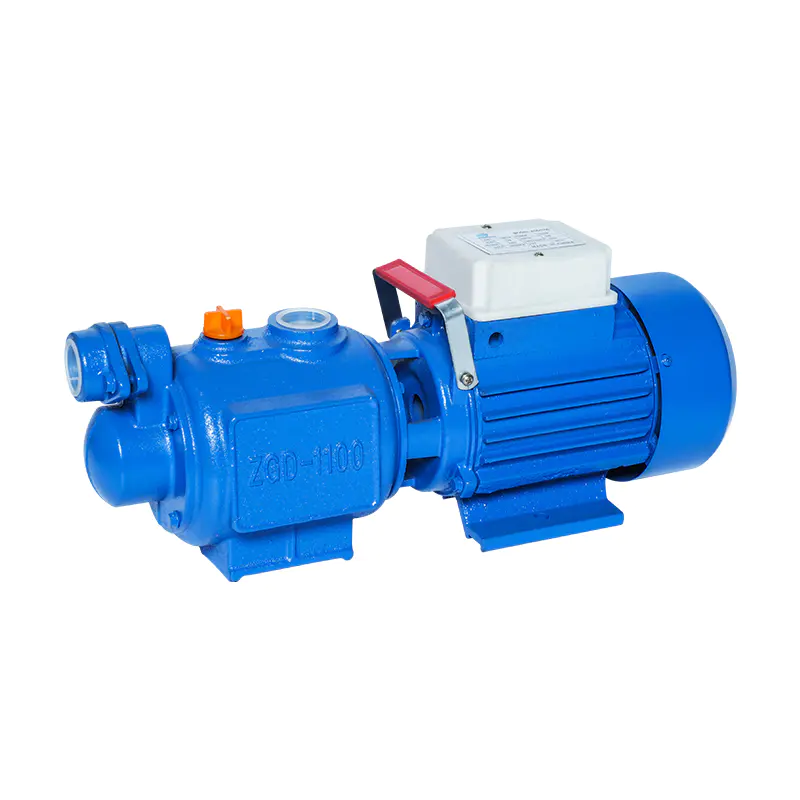
Understanding High Pressure Water Transfer Pump Systems
How It Works
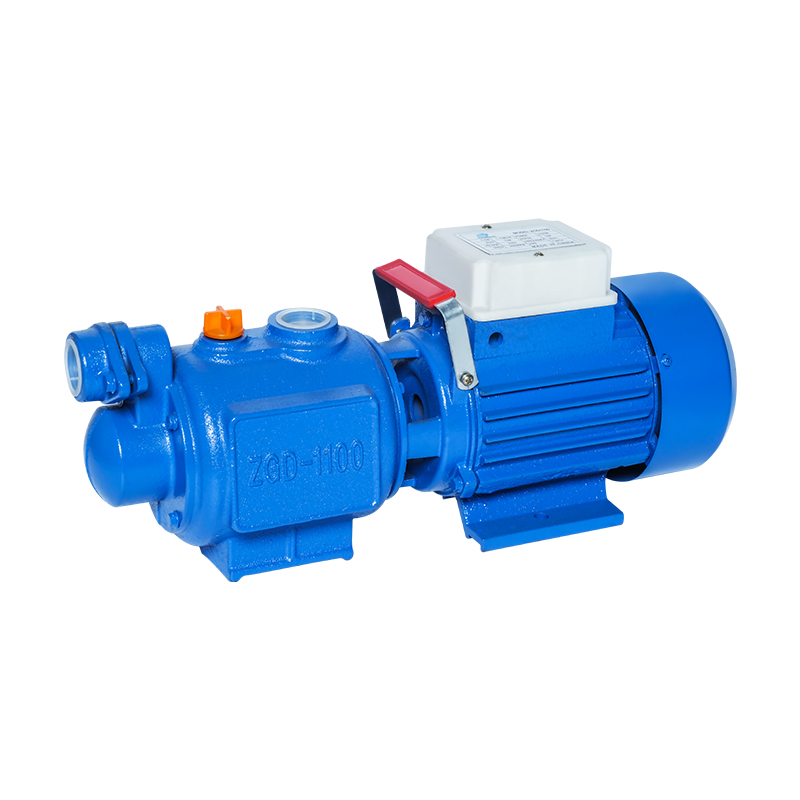
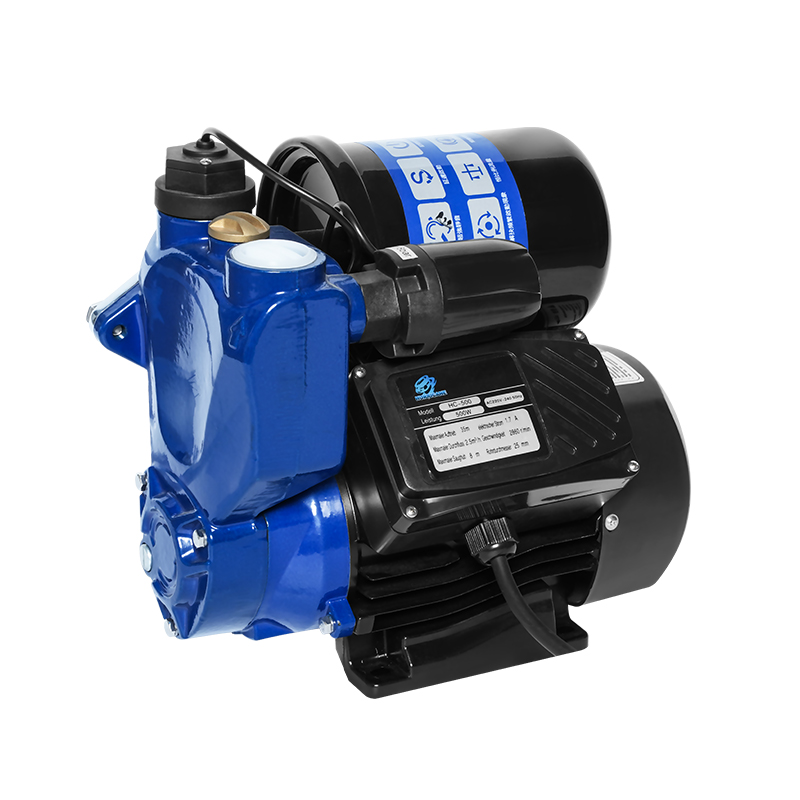
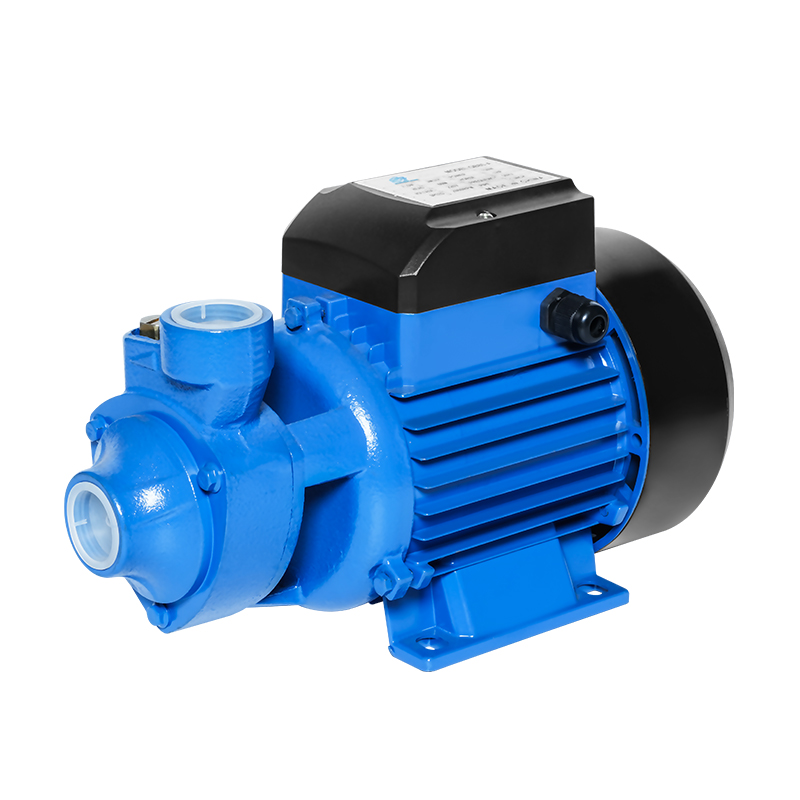
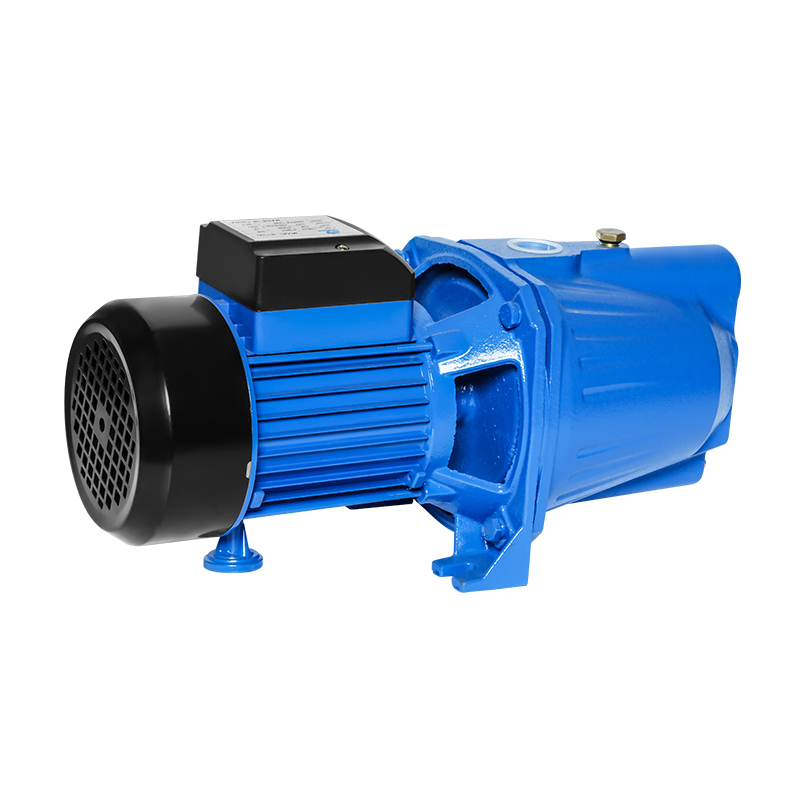
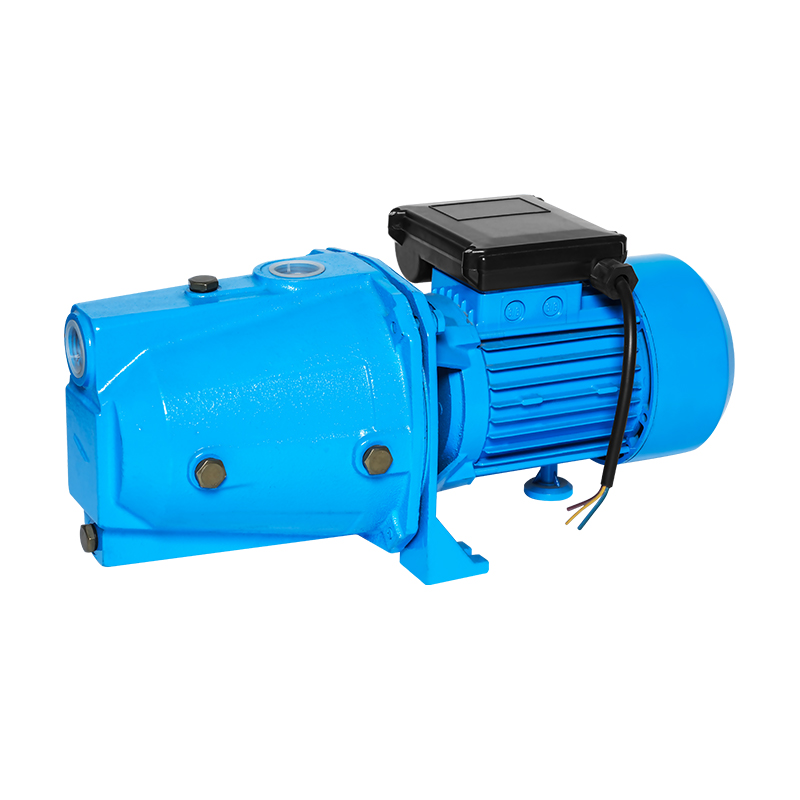
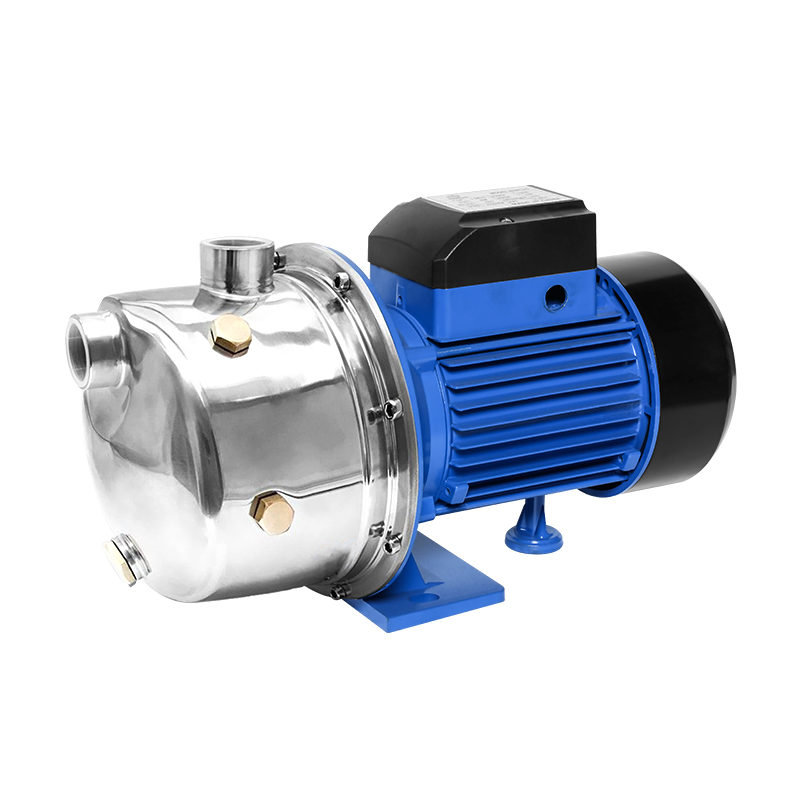
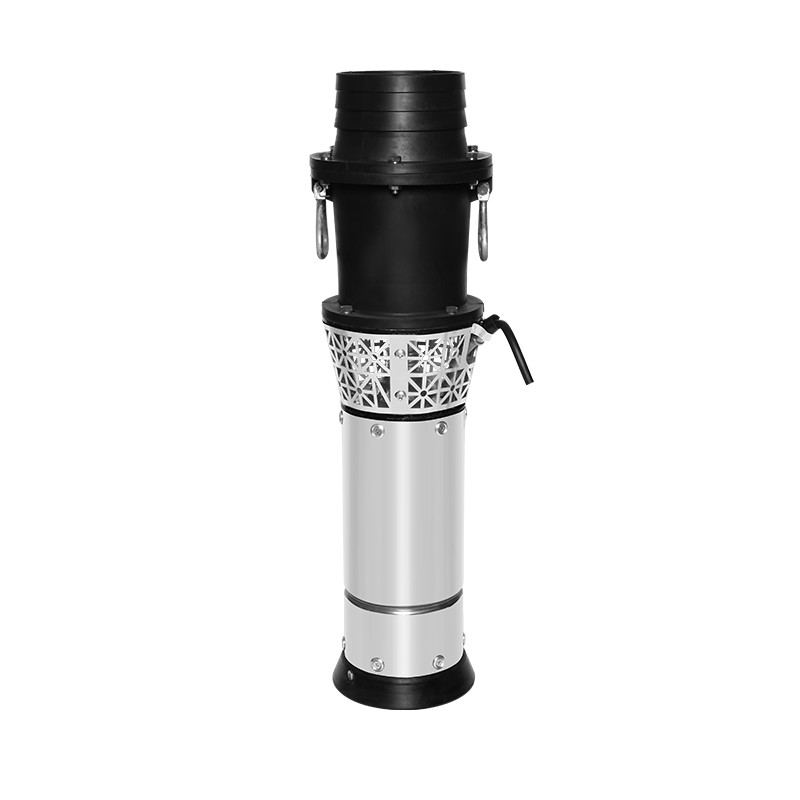
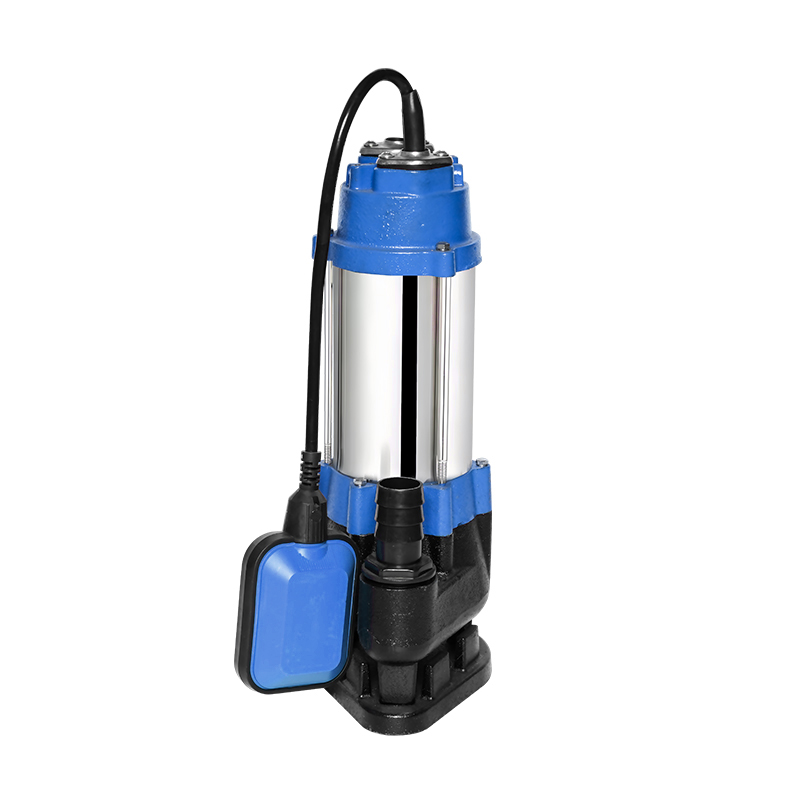
A High Pressure Water Transfer Pump moves fluid with more force than ordinary pumps. Ordinary pumps work for short distances or low demand. A high pressure pump pushes harder. Water travels farther. It climbs higher. It moves through narrow pipes without slowing down.
Inside the pump, a motor turns an impeller. The impeller spins and flings water outward. That motion creates pressure. The pump housing directs pressurized water into an outlet pipe. The result is a steady stream that maintains force across long distances.
Why Pressure Is Critical
Low pressure creates many problems. Water moves slowly. Sprinklers at the far end of a field receive only a trickle. Machines fed by a water line run low on supply. Time is wasted waiting for tanks to fill.
High pressure solves these issues. Water reaches every outlet with the same force. A farmer watering a large field sees even distribution. A factory using water for cooling gets consistent flow. Pressure turns a weak system into a reliable one.
How Pump Architecture Influences Performance
Not every high pressure pump works the same way. Some designs use multiple impellers stacked together. Each impeller adds more pressure. Other designs use a single large impeller spinning at high speed.
A multi‑stage pump produces high pressure even at low flow rates. This design works well for pushing water up hills or through long horizontal pipes. A single‑stage high pressure pump handles higher flow volumes but may not reach the same pressure levels.
Common Industrial Fluid Transfer Challenges
Many facilities struggle with the same fluid transfer problems. Recognizing these problems is the first step toward solving them.
| Challenge |
What Happens |
How High Pressure Pumps Help |
| Inconsistent flow rates |
Pressure jumps; water output varies |
Stable pressure control maintains even flow |
| Pipeline pressure drops |
Far ends receive little water |
Higher starting pressure overcomes friction losses |
| System inefficiency |
High energy use with low output |
Correct pressure matches system demand |
| Overload and downtime |
Pumps overheat and fail |
Continuous‑duty design handles long run times |
How Small System Inefficiencies Become Large Operational Problems
A small drop in pressure at the pump might seem unimportant. That small drop multiplies across the system. A pump delivering slightly less pressure than needed may cause the furthest outlet to receive much less water. The effect compounds with distance.
The same idea applies to flow rate. A pump that moves slightly less water per minute forces the system to run longer to achieve the same result. Longer run times mean more wear, more energy use, and less time for other tasks.
How High Pressure Water Transfer Pumps Solve These Challenges
A High Pressure Water Transfer Pump does more than just push harder. It changes how the entire fluid system behaves.
Pressure Stabilization
A well‑designed pump maintains a steady output pressure regardless of small changes in demand. When one outlet opens or closes, the pressure does not spike or drop. Other users on the same line do not notice a difference.
Continuous Flow Regulation
Some pumps use internal valves or electronic controls to monitor flow. If demand decreases, the pump adjusts. If demand increases, the pump responds. The result is smooth operation without manual adjustments.
System‑Wide Distribution Improvement
A high pressure pump pushes water past friction losses. The first outlet does not steal all the water. The last outlet does not go dry. Whole fields, buildings, or facilities receive equal service.
Reduced Downtime
A pump that can run for long periods without overheating or breaking down keeps the system working. Repairs and replacements happen less often. Production schedules stay on track.
Why Stable Pressure Improves Entire System Performance
Stable pressure changes how people use the system. An operator who knows the pressure will stay steady can plan work with confidence. Sprinkler patterns remain consistent. Filling times become predictable.
Stable pressure also extends the life of other components. Valves, seals, and hoses experience less stress when pressure does not surge. A system with stable pressure costs less to maintain over time.
Continuous Duty Water Pump Function in Industrial Systems
Not every pump can run all day. Many pumps are designed for short bursts of work. A Continuous Duty Water Pump is built differently.
01
Continuous Operation Design
Every component is chosen for long run times. Bearings are larger and better sealed. Motor windings use heat‑resistant materials. Cooling fans or liquid cooling paths remove heat continuously. The pump can start in the morning and run until evening without stopping.
02
Thermal and Mechanical Stability
Heat is the enemy of pump components. A continuous duty pump manages heat through better materials and cooling paths. Mechanical parts are balanced to reduce vibration, which also reduces wear.
A continuous duty pump handles varying demand without stress. The pump does not need to shut down between high‑demand periods. It simply adjusts its output. This flexibility is valuable in systems where water use changes throughout the day.
04
Durability in Long Cycles
A Continuous Duty Water Pump might run for a full growing season or an entire production quarter without replacement. The cost per hour of operation becomes low.
Why Continuous Operation Matters in Industrial Applications
A farm irrigating a large field cannot stop every few hours to let a pump cool down. Watering cycles are planned around the sun, the wind, and the soil. Stopping the pump interrupts that plan. A continuous duty pump runs through the entire watering window.
The same applies to industrial cooling systems. Machines generate heat during production. Coolant must circulate continuously. A pump that requires rest breaks would force the production line to stop. Continuous duty pumps keep production moving.
High Capacity Water Pump Performance in Large‑Scale Systems
Volume matters as much as pressure. A High Capacity Water Pump moves a large amount of water per minute. Pressure pushes water through pipes. Capacity determines how much water gets pushed.
High Volume Fluid Handling
Irrigating many hectares of crops requires a high flow rate. Supplying water to a large factory or a multi‑building facility also demands high volume. A high capacity pump meets that demand without straining.
Multi‑outlet distribution becomes possible when both pressure and capacity are adequate. A single pump can feed several irrigation zones at once. One pump can supply a factory's production line, cooling system, and cleaning station simultaneously.
How Capacity Impacts System Efficiency
A pump with insufficient capacity forces the system to run longer. Longer run times increase energy use and wear. A pump with appropriate capacity finishes the job faster and then rests or reduces output. The system runs more efficiently.
Capacity also affects pressure at the far end. A pump that cannot deliver enough volume will see pressure drop as demand increases. Increasing capacity often restores pressure without changing the pump's pressure rating.
Agricultural Applications of Water Pump Systems
Farming depends on water at the right time and in the right amount. A field of crops needs consistent moisture from planting to harvest. An orchard requires deep watering at the roots. Water pumps serve as the backbone of these operations.
A Water Pump for Agriculture must handle variable conditions. The pump might run for many hours during a dry spell. It might sit idle for days after rain. It must start reliably each time. A High Pressure Water Transfer Pump meets these demands through robust construction and stable performance.
A water pump for farming often covers large areas. Water travels from a well, river, or storage pond to distant parts of the property. Pressure losses along the way reduce effectiveness. A high pressure pump overcomes those losses. Water arrives at every field with enough force to run sprinklers or drip tape.
Why Agriculture Requires Stable Pressure
Crops do not forgive uneven watering. Too little water in one part of a field leads to poor yields. Too much water in another part causes root problems. Stable pressure allows a farmer to set irrigation equipment once and trust it.
Drip Irrigation Systems
Drip irrigation systems are especially sensitive to pressure changes. These systems use small emitters that release water slowly. Low pressure causes some emitters to stop working. High pressure can burst the thin tubing. A stable pressure source keeps drip systems operating within their design range.
Sprinkler Systems
Sprinkler heads are designed to spray a certain pattern at a certain pressure. Low pressure produces a narrow, wet ring close to the head. High pressure creates a fine mist that blows away in the wind. Proper pressure produces even coverage.
Smart Water Pump Technology in Modern Systems
Pump technology has moved beyond simple on‑off switches. Smart Water Pump systems use sensors and controllers to adjust operation automatically. These systems bring new levels of efficiency and reliability.
Automated Pressure Control
The pump responds to changing conditions without human input. A sensor at the far end of the line measures pressure. If pressure drops, the pump speeds up. If pressure rises too high, the pump slows down. The system maintains steady conditions across varying demand.
Energy Optimization Logic
A smart pump runs at the speed needed to meet demand, not at full speed all the time. Slowing down a pump by a small amount can reduce energy use significantly. Over a long growing season, those savings add up.
Monitoring Systems
Sensors measure temperature, vibration, flow rate, and power draw. A controller watches for unusual patterns. A pump running hotter than normal might need maintenance. A vibration increase could indicate a worn bearing. Early warning prevents unexpected failures.
Adaptive Flow Adjustment
A farm might have several irrigation blocks. Each block has its own water needs. A smart pump can send high flow to one block for a set time, then switch to another block. This scheduling happens automatically.
How Smart Control Improves Pump Reliability
A pump that runs only as hard as necessary lasts longer than a pump that runs at full speed constantly. Smart control reduces mechanical stress. Bearings, seals, and impellers experience less wear. The pump stays in service for more years.
Smart control also prevents damaging conditions. A pump running dry can destroy its seals in minutes. Sensors detect low flow or pressure and shut the pump down before damage occurs. A pump deadheaded against a closed valve can overheat rapidly. Smart systems recognize this condition and respond.
Compact Water Pump vs Industrial Pump Systems
Not every application needs a large, stationary pump. Compact Water Pumps serve different purposes. Understanding the difference helps a buyer choose correctly.
Application Boundaries
Compact Pumps Work For
- Emergency water removal
- Temporary irrigation of small plots
- Transferring water between tanks on a farm
- Supplying water to a remote livestock watering point
Industrial Pumps Work For
- Full‑field irrigation
- Factory cooling water circulation
- Municipal water supply
- Continuous industrial processing
| Pump Type |
Size |
Portability |
Typical Use |
Continuous Duty Rating |
| Compact pump |
Small |
High |
Temporary jobs, small plots |
Often intermittent only |
| Industrial pump |
Large |
Low |
Farms, factories, municipal |
Designed for continuous operation |
Pump Selection Factors for Industrial Buyers
Choosing a pump involves more than looking at a pressure number on a box. Several factors work together to determine whether a pump will perform well.
Pressure Requirements
What pressure is needed at the point of use? A sprinkler system might need several bars. A drip system might need one or two bars. The pump must deliver that pressure at the required flow rate.
Flow Rate Needs
How many liters per minute does the system demand? Add up all the outlets that could run at the same time. A pump that meets flow demand but falls short on pressure will not work. Neither will a pump that meets pressure but lacks flow.
Continuous Duty Rating
A pump used for irrigation or industrial cooling should have a continuous duty rating. A pump used only for occasional tank filling may not need it.
System Compatibility
Includes pipe size, fitting types, power supply, and mounting space. A pump with the wrong outlet size requires adapters, which add restriction and potential leak points. A pump requiring three‑phase power will not work on a farm with only single‑phase service.
Why Wrong Pump Selection Causes System Failure
Undersizing is a common mistake. A buyer chooses a pump based on price or availability. The pump runs constantly at full load trying to meet demand. It overheats. It trips breakers. It wears out quickly. The buyer ends up spending more money on repairs than the cost of a properly sized pump.
Oversizing also creates problems. A pump that is too large cycles on and off frequently. Each start causes electrical and mechanical stress. The pump may also cavitate, which damages the impeller. Energy use is higher than necessary.
Mismatched pressure and flow is another issue. A pump designed for high pressure but low flow will starve a system that needs volume. A pump designed for high flow but low pressure will not push water through long pipes.
Water Pump Wholesale and Procurement Considerations
BULK
Bulk Purchasing Logic
Focuses on consistency. All pumps in a fleet should be the same model if possible. Identical pumps reduce spare parts inventory. Maintenance procedures are the same for every unit. Operators learn one set of controls.
OEM
OEM Sourcing Considerations
Include lead times, quality assurance, and technical support. A buyer purchasing directly from a manufacturer can often specify custom features such as port sizes, seal materials, or control options. Working with a reliable partner ensures consistent quality across large orders.
COST
Cost‑Performance Balance
Means looking beyond the purchase price. A pump that costs more initially but lasts longer and uses less energy may be cheaper over time. A cheap pump that fails often costs more in labor, lost production, and replacement parts.
Replacement Water Pump Selection and Maintenance
Every pump eventually wears out. Seals leak. Bearings get noisy. Impellers erode. The question is not whether a pump will need replacement, but when.
Wear and Failure Patterns
A pump that runs continuously experiences gradual wear. Performance declines slowly. The pump uses more energy to move the same amount of water. Pressure drops slightly. Flow decreases.
A pump that runs intermittently may fail suddenly. Seals dry out between uses. Bearings corrode from sitting still. When the pump starts again, a seal fails immediately. The failure seems sudden but was developing over months of inactivity.
Replacement Timing
Depends on the cost of failure. A pump serving a critical system should be replaced before it fails. A pump serving a non‑critical system might run until failure. Preventive replacement costs money but avoids unplanned downtime.
Compatibility Issues
Arise when replacing a pump. The new pump must have the same inlet and outlet sizes, the same mounting dimensions, and the same electrical requirements. Changing pump models may require changing pipes, fittings, or wiring. Keeping the same model simplifies replacement.
Maintenance Cycles
Extend pump life. Changing oil, cleaning filters, checking seals, and tightening connections take little time. A pump that receives regular maintenance lasts many times longer than a neglected pump. A maintenance schedule written on a calendar is more reliable than memory.
System‑Level Role of High Pressure Water Transfer Pump
Pipeline System Coordination
The pump matches the network. A network with long, narrow pipes needs higher pressure. A network with short, wide pipes needs higher flow. The pump and the network are a matched pair.
Pressure network balancing becomes important when multiple zones operate at different times. A pump serving several irrigation blocks needs enough pressure to supply the farthest block. Closer blocks may need pressure reduction valves to avoid over‑pressurization.
Multi‑Zone Distribution and Continuity
Multi‑zone distribution allows a single pump to serve many purposes. The same pump that irrigates a field can fill a storage tank during off hours. A smart control system manages these different demands automatically.
Operational continuity depends on the pump's reliability. A system that runs without interruption meets production targets. A system that stops frequently falls behind. A High Pressure Water Transfer Pump with continuous duty rating supports operational continuity.
Why Pump Systems Define Infrastructure Performance
The pump is often the most stressed component in a fluid system. Every other component sits passively. The pump does the work. A weak pump makes the whole system weak. A reliable pump allows the rest of the system to perform as designed.
Investing in pump quality pays returns across the entire infrastructure. Pressure stability improves water distribution. Continuous duty capability reduces downtime. High capacity allows system growth. Smart controls reduce energy costs.
Common Misunderstandings About Water Pump Systems
Higher Pressure Is Always Better
This is not true. Excess pressure wastes energy and can damage pipes, valves, and outlets. A system needs adequate pressure, not maximum pressure. The right pressure matches the application.
Ignoring System Compatibility
A pump that works well in one setting may perform poorly in another. Pipe diameter, total length, elevation changes, and outlet types all affect pump performance.
Underestimating Duty Cycle Requirements
Leads to early failure. A pump rated for intermittent use will not survive continuous operation. The duty cycle rating is not a suggestion. It is a limit based on thermal and mechanical design.
Misunderstanding Capacity vs Efficiency
Causes buyers to choose a pump that is too small or too large. Capacity refers to how much water the pump can move. Efficiency refers to how much energy it uses to move that water.
Why System Design Matters More Than Pump Size Alone
A large pump attached to a poorly designed system will not perform well. A medium pump attached to a well‑designed system may exceed expectations. Pipe sizing, fitting selection, valve placement, and outlet design all influence how a pump performs.
A buyer who focuses only on pump specifications while ignoring system design often ends up disappointed. The pump may be fine. The system may be the problem. Good results come from looking at the whole picture.
Key Takeaways on Fluid Transfer Optimization
A High Pressure Water Transfer Pump solves pressure instability by delivering consistent force across long distances and variable demand. Continuous duty operation keeps systems running through long work cycles without overheating or premature failure. High capacity pumps move enough water for large farms, factories, and facilities. Smart technology adds automated control, energy savings, and monitoring. Correct selection based on pressure needs, flow requirements, and duty cycle prevents the common failure of undersized or mismatched pumps.
Fluid transfer performance depends on system engineering, not just pump strength. A well‑chosen pump working within a well‑designed network delivers reliable service for years. A poorly chosen pump creates problems that no amount of maintenance can fix.
For procurement managers, agricultural operators, and system engineers, Caifu Pump Industry Co., Ltd. provides equipment designed for industrial and agricultural fluid transfer challenges. Evaluate the pressure needs, flow requirements, and duty cycle of your application. Select a pump that matches those needs. Install it correctly. Maintain it on a schedule. A fluid system built on these principles will perform when needed.


 ENG
ENG  русский
 Español
 عربى
عربى