

 ENG
ENG  русский
 Español
 عربى
عربىGuide to Household Booster Pump in Apartments Condos
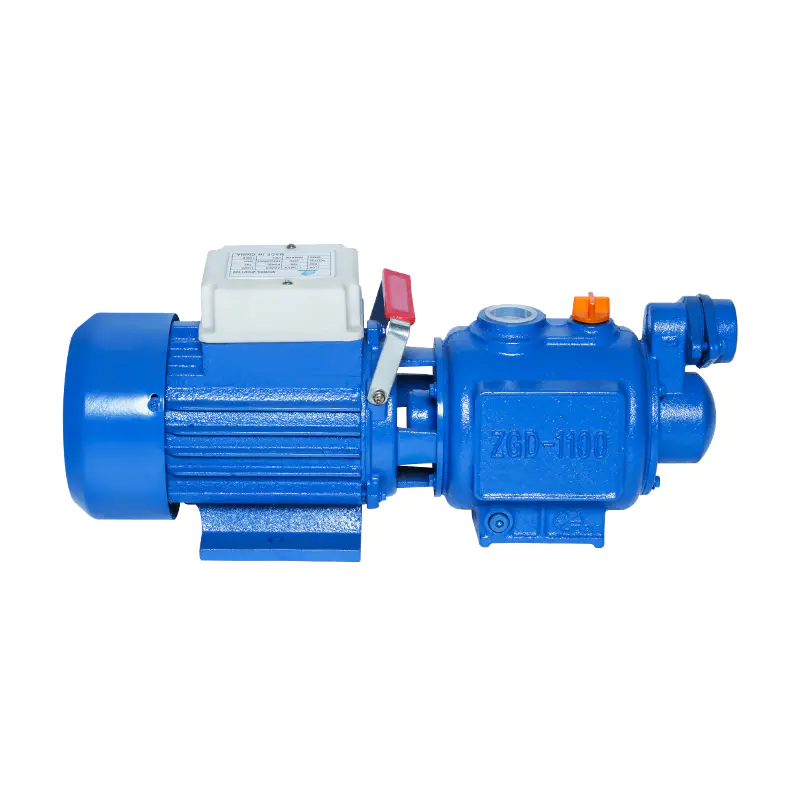
The shower trickles when the neighbor upstairs runs their tap. The washing machine takes twice as long to fill as it should. Rinsing dishes feels more like a patience exercise than a kitchen task. For residents of multi-story apartments, condominiums, and high-density housing, low water pressure is one of the most persistent everyday frustrations — and one of the most fixable. A Household Booster Pump addresses the problem directly by increasing the pressure in the water supply line serving a unit or an entire floor, restoring normal flow to taps, showers, appliances, and irrigation points. The selection decision, though, involves more than just picking the strongest pump on a shelf. Apartments and condos have specific constraints — shared plumbing infrastructure, noise sensitivity, limited installation space, and in some cases regulatory limits on how much pressure can be added — that shape what kind of unit actually works in this environment.
What Causes Low Water Pressure in Apartments and Condos?
Before selecting any pump, understanding why the pressure is low helps confirm that a booster pump is the right solution and points toward the right specification.
Low pressure in multi-unit residential buildings typically comes from one of several sources:
- Building height and gravity: Water pressure decreases as it moves upward through a building. Units on higher floors receive lower pressure than units near the ground level, purely as a consequence of the head pressure loss over vertical distance. This is the single most common cause of pressure complaints in high-rise buildings.
- Shared supply line demand: When multiple units draw from the same supply line simultaneously — morning peak usage, for example — the collective demand can exceed the line's delivery capacity, reducing pressure to each individual unit.
- Aging infrastructure: Older buildings often have original pipe networks that have accumulated mineral deposits, reducing the effective internal diameter and restricting flow even when supply pressure at the entry point is adequate.
- Municipal supply pressure variation: Pressure at the point where the building connects to the city main can vary across the day and across seasons, creating intermittent low-pressure periods that do not reflect a permanent infrastructure problem.
- Individual unit pipe configuration: In some units, the plumbing layout has restrictions — undersized pipes, too many elbows, or long horizontal runs — that reduce pressure at the tap below what the main line delivers.
A booster pump addresses the first two causes effectively. It helps with the third when the flow restriction is not so severe that the pipe needs replacement. It does not solve the fourth or fifth without additional changes to the plumbing.
How Does a Household Booster Pump Actually Work?
A booster pump sits in the water supply line and uses a motorized impeller to increase the pressure of water passing through it. Water enters the pump at the inlet at supply pressure and exits at the outlet at a higher pressure — the difference being the pressure boost the pump provides.
The core components:
- Motor: Drives the impeller, converting electrical energy into rotational mechanical energy
- Impeller: A rotating component that imparts velocity to the water, which is then converted to pressure in the pump housing
- Pressure sensor or flow sensor: Detects when water is flowing or when pressure has dropped below a threshold, signaling the motor to start
- Pressure vessel or accumulator (in some designs): Stores pressurized water to smooth out minor pressure fluctuations and reduce the number of short cycling events the motor experiences
The automatic start-stop behavior is particularly important for residential use. A pump that runs continuously draws electricity constantly. A pump with a flow-activated or pressure-activated controller only runs when a tap is open and demand is present, which reduces energy consumption and extends motor life.
Variable-speed models take this further by adjusting motor speed to match actual demand rather than running at full output regardless of how much water is being drawn. This results in steadier outlet pressure across varying flow rates and lower energy consumption during partial-demand periods.
Apartment and Condo Constraints That Shape Pump Selection
The performance requirements of a booster pump for apartment use are not dramatically different from those for a house. But the installation context introduces constraints that eliminate certain pump types and prioritize specific features that might be less critical in a single-family home setting.
Noise: An apartment is not a mechanical room. Any pump installed inside a unit or in a utility space adjacent to living areas will be heard if it produces significant operating noise. Pump noise comes from two sources: the motor and impeller assembly, and vibration transmitted through the pipework into the building structure. Residential booster pumps designed for apartment use typically incorporate vibration-dampening mounts and lower-noise motor designs. This is not a minor specification detail — it is what separates a pump that can be forgotten once installed from one that the resident notices every time water flows.
Physical size: Apartments have limited utility space. Under-sink installations, narrow cupboards, and compact mechanical rooms require pumps with a small footprint. Pumps designed for household residential use are generally compact enough for these spaces, but verifying the dimensions against the available installation area before purchasing is necessary.
Installation access: Some apartment buildings require that plumbing modifications be made by approved contractors. DIY installation may not be permitted, and the pump installation needs to fit within the constraints of the building's plumbing layout — including the location of the inlet supply, the ability to add isolation valves, and the accessibility of electrical connections.
Pressure limits: Municipal water regulations in some jurisdictions set upper limits on the pressure that can be present in a residential system. Installing a pump that boosts pressure above these limits can create liability issues and may affect the unit's insurance position. Confirming the regulatory limit before specifying the pump's output pressure is a necessary step.
Shared system considerations: In buildings where units share a common supply line, a pump installed to serve one unit can sometimes affect pressure conditions for neighboring units on the same branch. This is more of a concern in older buildings with shared supply laterals than in newer buildings where each unit has an independent metered connection.
Types of Booster Pumps Suited to Residential Use
Not every pump type on the market is appropriate for apartment or condo installation. Understanding the different configurations helps match the right system to the specific situation.
Inline single-stage pumps: These are compact units that are installed directly in the supply line. Water flows through them continuously when demand is present. They suit applications where a moderate, consistent pressure boost is needed across all outlets in a unit. Installation is straightforward — they fit between two sections of pipe with standard connections.
Automatic pressure booster systems: These combine a pump, a pressure vessel, and an electronic controller in an integrated unit. The pressure vessel stores a volume of pressurized water, allowing minor demand events to be met without cycling the motor. These systems provide steadier pressure than a simple inline pump and suit buildings where pressure variation is significant. The integrated design is also more compact than assembling the same components separately.
Variable-speed booster pumps: These use an inverter-driven motor that adjusts speed based on real-time demand. At low flow — a single tap running — the motor operates at reduced speed, producing less noise and drawing less electricity. At high flow — shower and washing machine running simultaneously — it ramps up to meet demand. Variable-speed designs are well-suited to apartments where both noise sensitivity and energy cost are relevant considerations.
Tankless instant-boost pumps: Designed for point-of-use installation — typically under a kitchen sink or behind a bathroom wall — these provide a pressure boost at a single outlet rather than across the whole unit. They suit situations where only one or two outlets have inadequate pressure rather than a whole-unit pressure problem.
How Does Noise Level Affect the Experience in Apartment Settings?
Noise is the feature that most separates a satisfactory pump installation from an annoying one in a residential environment. It deserves more than a line item in a spec comparison.
Operating noise from the motor and pump body: Pump operating noise is measured in decibels at a standard distance. The challenge is that decibel ratings are measured under controlled conditions that do not always reflect the acoustics of a real apartment installation. A pump mounted on a hard surface in a tiled utility closet will sound different from the same pump mounted on a carpeted surface in a larger room. Rubber anti-vibration mounts between the pump and its support surface significantly reduce the transmission of motor vibration into the structure.
Pipe vibration and water hammer: Water flowing at increased pressure through pipes can amplify vibration, and rapid valve closure — when a tap is turned off quickly — can create a pressure wave that travels through the system and produces a banging noise (water hammer). Installing flexible pipe connectors at the pump inlet and outlet, and ensuring the pump's controller provides a gradual ramp-up rather than instantaneous full-speed start, reduces both of these effects.
Short cycling noise: A pump that turns on and off frequently — because it is sized too large for the demand, or because the pressure vessel is undersized — creates a repetitive mechanical noise that is noticeable in quiet periods. Correctly sizing the pump and pressure vessel for actual demand reduces cycling frequency and the associated noise.
The practical takeaway for apartment buyers is to look specifically for residential-grade pumps with noise specifications and vibration isolation features, rather than industrial-grade pumps with higher flow rates that were designed for applications where noise tolerance is less critical.
Energy Consumption: Does a Booster Pump Affect the Electricity Bill?
The energy draw of a Household Booster Pump is modest compared to major appliances, but it is not zero, and in apartments where the resident pays electricity costs directly, it is worth understanding.
A pump's energy consumption depends on its motor power and how often it runs. A small residential pump running on demand — only when water is flowing — draws electricity for the relatively short periods during which taps and appliances are actually in use. Over a day, the total running time for a typical residential unit is limited to the hours of active water use, which is a fraction of the day.
Variable-speed pumps reduce consumption further by not running at full power when partial demand is all that is present. For a household that is sensitive to electricity costs, this design feature has a measurable effect over the course of a year.
What affects running cost in practice:
- Pump motor efficiency rating — higher-efficiency motors draw less current for the same output
- Whether the controller is demand-activated or constant-run
- The pressure boost required — a pump working harder to achieve a larger pressure differential draws more power than one providing a modest boost
- Whether the pressure vessel is appropriately sized — under-sized vessels cause frequent cycling, which increases wear and slightly increases energy consumption compared to a well-sized system
Installation: What Does the Process Actually Involve?
Many apartment residents assume that installing a booster pump is a complex project requiring specialist contractors and significant disruption. For most residential inline pumps, the reality is less daunting — but certain steps do require care.
What a typical installation involves:
- Identify the inlet supply point for the unit — typically where the building supply enters the unit before branching to individual rooms
- Confirm available pipe space and verify that isolation valves can be installed on both sides of the pump
- Verify electrical supply availability near the installation point — most residential pumps use standard household current
- Install isolation valves and fit the pump between them using appropriate pipe connections (threaded, compression, or push-fit depending on pipe type)
- Connect the pump to electrical supply, following the manufacturer's wiring instructions
- Commission the system by restoring supply pressure and checking for leaks and correct pump operation
When professional installation is necessary:
- Building rules require licensed plumbers for any work on the supply system
- The installation requires cutting into walls or ceilings
- The pipe materials at the installation point require specialized tools (copper soldering, press-fit tools)
- The building's water authority requires notification before modifications are made
For condo owners, checking with building management before starting any plumbing modification is a standard precaution that avoids conflicts with building regulations and shared system warranties.
Pump Type Comparison by Apartment Scenario
| Scenario | Pump Type | Key Priority | Installation Complexity |
|---|---|---|---|
| High-rise unit, consistent low pressure | Variable-speed automatic booster | Steady pressure, low noise, energy efficiency | Moderate — needs isolation valves and electrical point |
| Mid-rise, pressure varies by time of day | Pressure booster system with vessel | Stable pressure during peak demand | Moderate — compact footprint, needs planning |
| Single outlet with poor pressure | Tankless point-of-use pump | Localized boost, minimal installation | Low — under-sink, plug-in some models |
| Whole-unit boost, noise-sensitive unit | Quiet-rated inline pump with anti-vibe mounts | Noise control across all outlets | Moderate — requires pipe fitting |
| Condo with building rule on plumbing | Contractor-installed variable-speed unit | Compliance, documentation, correct sizing | High — requires approved contractor |
| Older building with mineral-restricted pipes | Pump plus pipe assessment | Flow rate not just pressure | Moderate — may require pipe evaluation first |
Reading across the rows makes clear that the right pump type depends on the nature of the pressure problem, the installation environment, and the level of noise sensitivity involved — not on a single performance specification.
What to Look for When Evaluating Pump Quality
Not all residential booster pumps are manufactured to the same standard, and the difference in quality becomes visible over the operating life of the pump rather than at initial installation.
Key quality indicators:
- Motor winding quality and insulation class: Determines how well the motor tolerates heat buildup during operation and how long it maintains performance over sustained use
- Impeller material: Stainless steel or engineered polymer impellers resist corrosion and wear better than lower-grade alternatives in domestic water conditions
- Seal quality: The mechanical seal between the motor shaft and the wet end of the pump prevents water ingress into the motor cavity. Poor seal quality leads to progressive seal failure and eventually motor damage
- Controller reliability: The electronic controller that manages auto start-stop and speed regulation is a critical component. Controllers with proven reliability across temperature cycles and varied supply conditions last substantially longer than those built to a lower specification
- IP rating for the motor: Motors with appropriate ingress protection ratings tolerate the humidity and occasional splash exposure typical of utility closet and under-sink installations better than unrated motors
For buyers sourcing pumps for distribution, property management, or specification into residential projects, these quality factors determine the warranty claim rate and the long-term reputation of the product in the market.
Maintaining a Booster Pump in Residential Settings
A correctly installed Household Booster Pump requires limited maintenance in normal residential use. The main maintenance items:
- Periodic inspection of inlet and outlet connections for leaks: Connections that were dry at installation can develop minor seepage over time as pipe materials settle. A quarterly visual check takes seconds and catches any developing issues before they cause damage.
- Pressure vessel pre-charge verification (where applicable): Systems with an accumulator vessel rely on a maintained air charge in the vessel to function correctly. The charge should be checked and adjusted periodically according to the manufacturer's schedule.
- Filter element replacement (where applicable): Some pump systems include an inlet strainer or filter to protect the impeller from sediment. The replacement interval depends on the water quality in the local supply.
- Controller function check: Confirming that the pump starts and stops correctly when demand begins and ends is a simple operational check that identifies controller issues before they become operational failures.
For building managers maintaining pumps across multiple units, keeping a simple service log per pump creates the maintenance history needed to identify units that are approaching end-of-life before they fail unexpectedly.
Finding a Booster Pump That Actually Fits the Living Space
The selection decision for a residential booster pump comes down to four variables: how much pressure boost the situation requires, how much noise the installation environment tolerates, how much installation space is available, and whether energy consumption is a relevant daily cost consideration. A pump that scores well on all four is a pump that gets installed, performs reliably, and goes unnoticed — which is exactly what a good residential plumbing addition should do.
Caifu Pump Industry Co., Ltd. manufactures Household Booster Pumps and residential water system components, covering inline, variable-speed, and automatic pressure booster configurations suited to apartment and condo installation conditions. For property managers, plumbing distributors, hardware retailers, and residential project specifiers evaluating pump supply options, reaching out to discuss product specifications, volume requirements, and application suitability is a practical starting point. Getting the right pump matched to the right apartment environment — before purchase rather than after a failed installation — saves time, avoids returns, and delivers the water pressure improvement the resident was looking for from the start.

Leave A Comment
Recommend Products


Copyright © Caifu Pump Industry Co., Ltd.

High Pressure Water Pump Manufacturer