

 ENG
ENG  русский
 Español
 عربى
عربىHow High Pressure Water Transfer Pump Handles Continuous Duty
A water pump stops working in the middle of a shift. Production lines slow down. Irrigation stops. Livestock water troughs go dry. Someone calls a technician. The pump feels hot to the touch. The motor smells burnt. Another failure, another unplanned shutdown. Many facility managers and farm owners know this situation well. The pump worked fine for weeks. Then one day it gave up. The problem often comes down to duty cycle. A standard pump expects to run for a while, then rest. That rest period allows the motor to cool. The bearings to relax. The seals to stabilize. In a 24/7 operation, that rest period never comes. A Continuous Duty Water Pump solves this problem through design choices that support long running times without damage.
Understanding the Problem Standard Pumps Face
Most pumps carry a duty rating. Intermittent duty means the pump can run for a set period, then must stop. The ratio of run time to rest time matters. Continuous duty removes that restriction. The pump can run without stopping.
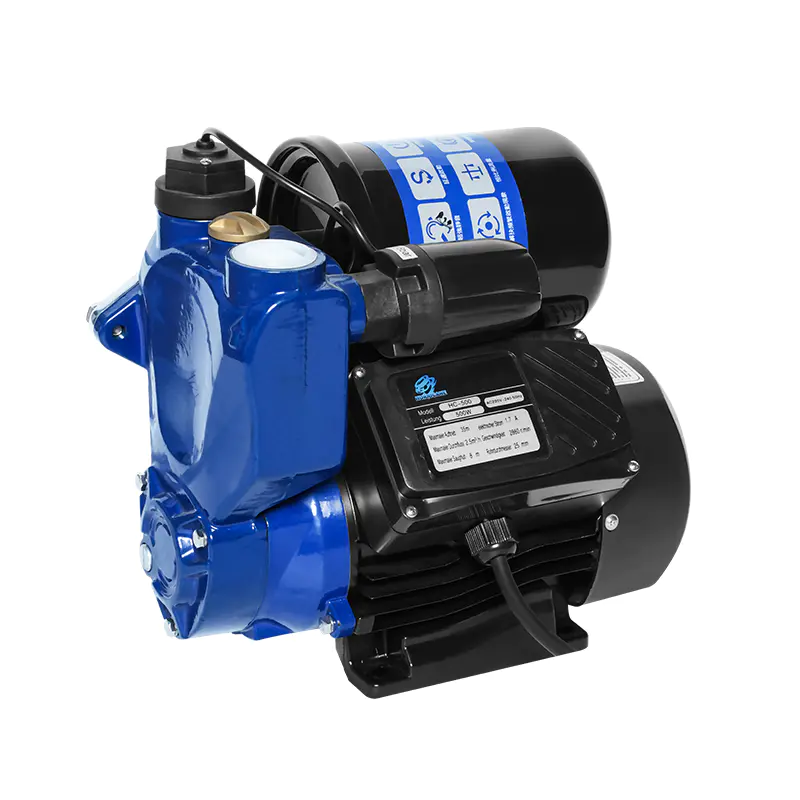
Standard pumps used in continuous applications suffer from several issues. Motor windings overheat. Lubrication breaks down. Bearings wear at a faster rate. Seals dry out. Each failure causes unplanned downtime. Each downtime event costs money in lost production and repair expenses.
Why Heat Is the Main Enemy
Every motor generates heat during operation. In a standard motor, that heat escapes during rest periods. In continuous operation, the motor stays hot. Winding insulation degrades at high temperatures. A small temperature increase significantly reduces insulation life. The motor eventually shorts out or loses power.
Heat also affects the pump end. Mechanical seals rely on fluid for cooling and lubrication. In a continuous duty pump designed for the task, fluid flow carries heat away. In a standard pump pushed beyond its rating, heat builds up in the seal faces. The seal cracks or wears unevenly. Leaks develop.
What Makes a Continuous Duty Water Pump Different
A Continuous Duty Water Pump is not simply a standard pump running without stopping. The design incorporates several features that support long operation times.
Motor Design Changes
The motor in a continuous duty pump uses higher grade insulation. This insulation withstands sustained heat without breaking down. The motor also includes improved cooling paths. Fans, cooling ribs, or liquid cooling jackets remove heat during operation. The motor reaches an equilibrium temperature where heat generated equals heat removed. That temperature stays within safe limits for all internal components.
Bearings in a continuous duty motor are another difference. Standard bearings may use grease that breaks down under constant heat. Continuous duty bearings use high temperature grease or oil lubrication. Some designs include bearing temperature monitoring. A sudden temperature rise indicates a problem before failure occurs.
Pump End Considerations
The hydraulic end of a continuous duty pump also sees design changes. Impellers are balanced precisely to reduce vibration. Vibration wears bearings faster. A well balanced impeller runs smoother for longer periods.
Mechanical seals are selected for continuous operation. Seal face materials resist heat checking and wear. Spring pressure maintains contact even as faces wear over thousands of hours. Some continuous duty pumps use cartridge seals. A cartridge seal is easier to replace and less likely to be installed incorrectly.
| Pump Feature | Standard Duty Pump | Continuous Duty Pump |
|---|---|---|
| Motor insulation | Standard class | Higher temperature class |
| Cooling method | Relies on rest periods | Active cooling during operation |
| Bearings | Standard grease | High temperature grease or oil |
| Seal materials | General purpose | Heat resistant faces |
| Vibration control | Standard balance | Precision balanced impeller |
| Expected run pattern | Starts and stops | Long, uninterrupted runs |
How Continuous Operation Supports System Reliability
A system that never stops must trust every component. The pump becomes a critical part. When the pump fails, the whole system fails.
Reduced Downtime
A facility running around the clock cannot afford unexpected pump failures. Scheduled maintenance can be planned. Emergency repairs disrupt everything. A continuous duty pump lasts longer between service intervals. When maintenance is needed, the work can be scheduled during planned downtime.
Downtime reduction also comes from predictability. A standard pump used continuously may fail after a few weeks or a few months. The failure point is hard to predict. A continuous duty pump has known service intervals. Operators can plan replacements before failure occurs.
Stable Flow and Pressure
A pump that overheats may cycle on and off. Thermal overload switches cut power when the motor gets too hot. The pump cools, restarts, heats up, and stops again. Flow and pressure swing wildly during this cycling. Equipment downstream suffers from inconsistent supply.
A continuous duty pump maintains stable temperature. The overload switch never trips. Flow and pressure stay within a narrow range. Irrigation systems water evenly. Industrial processes receive consistent feed. Water supply to livestock does not fluctuate.
Applications Where Continuous Duty Pumps Are Essential
Some operations cannot accept pump failure. Others cannot accept flow variation.
Industrial Manufacturing
Cooling systems in factories run constantly. A pump circulating coolant through machinery must operate every minute of every shift. If the pump stops, machines overheat. Production stops. A continuous duty pump provides the reliability required.
Washdown systems in food processing also need continuous operation. Sanitation schedules demand water at specific times. A pump failure delays cleaning. Production cannot resume until the line is clean.
Agriculture and Farming
Irrigation systems in dry climates run for many hours at a time. A field may need water for a full day. The pump starts in the morning and does not stop until evening. A standard pump may overheat by midday. A continuous duty pump runs through the hottest hours without issue.
Livestock watering is another continuous application. Water must be available at all times. A pump that fails on a hot afternoon leaves animals without water until someone notices and repairs the system.
High Pressure Water Transfer Pump Considerations
Some continuous duty applications require high pressure. A standard pump cannot maintain pressure while running for extended periods. The motor works harder. Heat builds faster. Failure comes sooner. A High Pressure Water Transfer Pump rated for continuous duty uses different engineering approaches.
Pressure Maintenance Under Continuous Load
A high pressure pump moving water through long pipes or up significant elevation changes works against constant resistance. The motor draws steady current. The impeller sees continuous stress. Components designed for intermittent high pressure operation may creep or deform under sustained load. Continuous duty designs use thicker casings, heavier shafts, and reinforced mounting points.
Pressure stability matters in applications like greenhouse misting systems. Pressure drops cause uneven mist distribution. Some plants receive too much water. Others receive too little. A continuous duty high pressure pump maintains consistent output across long run times.
Seal and Bearing Upgrades for High Pressure
High pressure adds stress to mechanical seals. The seal faces must hold back greater force while rotating continuously. Seal face materials like silicon carbide or tungsten carbide resist wear better than standard materials. The seal spring must maintain constant pressure even as faces wear over thousands of hours.
Bearings in high pressure continuous duty pumps also need special attention. Radial loads increase with pressure. The bearings must support these loads without excessive heating. Larger bearings or closer tolerances help distribute the load and reduce friction.
Smart Water Pump Features for Continuous Operation
Modern continuous duty pumps may include smart features. These features help monitor performance and predict maintenance needs.
Monitoring and Alerts
A smart continuous duty pump can track running hours, temperature, vibration, and current draw. When any parameter moves outside normal range, the pump sends an alert. The operator can schedule service before a failure occurs. This predictive approach reduces unplanned downtime.
Monitoring also helps with energy management. A pump drawing more current than usual may have worn impellers or clogged passages. Cleaning or repair restores efficiency. The system tracks energy use over time and highlights changes.
Automatic Adjustment
Some smart pumps adjust operation based on demand. A variable frequency drive changes motor speed to match required flow. Running slower when full flow is not needed reduces energy consumption and heat generation. The pump runs continuously but at lower power during low demand periods. This flexibility extends component life while maintaining availability.
Compact Water Pump Solutions for Limited Spaces
Not every continuous duty application has room for a large pump. Compact continuous duty pumps fit into tight equipment compartments or small pump houses.
Design Trade-Offs
A compact pump has less surface area for cooling. The motor and pump end are closer together. Heat dissipation becomes more challenging. Engineers address this with improved internal cooling paths, higher efficiency motors, and careful material selection. A well designed compact continuous duty pump matches the reliability of larger units.
Compact pumps also need accessible service points. Small spaces make maintenance difficult. Designers place drain plugs, fill ports, and inspection covers in locations that can be reached without removing the pump from its mounting.
Applications for Compact Continuous Duty Pumps
Machinery skids, vehicle mounted systems, and portable irrigation units all benefit from compact pumps. A truck carrying water for dust control needs a pump that runs for hours without overheating. The pump must fit within the vehicle chassis. Compact continuous duty designs meet both requirements.
Selection Guide for Continuous Duty Water Pumps
Choosing the right pump requires matching the pump design to the application demands.
Determining Required Flow and Pressure
The first step is calculating how much water must move and at what pressure. A system moving water across a flat field needs flow but not high pressure. A system pushing water up a hill needs pressure. A continuous duty pump must meet both requirements without exceeding its design limits.
Oversizing a pump wastes energy. Undersizing a pump forces it to run beyond its efficient range. Either mistake reduces reliability. Accurate measurement of existing systems or consultation with guides helps select the correct size.
Matching Duty Rating to Operation Schedule
A pump running twelve hours per day needs a different duty rating than a pump running twenty four hours. Some pumps are rated for continuous operation but with limitations. The manufacturer may specify maximum hours per day or require periodic rest. Full continuous duty means the pump can run indefinitely without stopping.
Facility managers should examine the fine print. A pump labeled continuous duty but requiring a rest period every eight hours is not suitable for around the clock operation. Only pumps with true 24/7 ratings should be selected for critical continuous applications.
Material Compatibility
Continuous duty pumps handle many different fluids. Water is common. Some pumps move chemicals, wastewater, or high temperature liquids. Materials inside the pump must resist corrosion and erosion over long exposure. Stainless steel, bronze, and engineered plastics each suit different fluids. Matching material to fluid prevents premature failure.
| Selection Factor | What to Evaluate | Why It Matters |
|---|---|---|
| Flow rate | Volume per minute required | Undersized pumps overheat |
| Pressure head | Vertical lift and pipe friction | High pressure requires stronger components |
| Duty rating | Hours per day of operation | Standard pumps fail under continuous use |
| Fluid type | Clean water, dirty water, chemicals | Material compatibility prevents corrosion |
| Temperature | Ambient and fluid temperature | Heat affects seals and bearings |
| Power source | Electric, diesel, hydraulic | Must match available utility |
Water Pump Wholesale and Replacement Considerations
Buyers sourcing multiple pumps or replacement units face different decisions than single pump purchasers.
Wholesale Purchasing for Operations
A facility with many pumps may buy through wholesale channels. Wholesale buyers should look for consistent quality across units. A pump line with good manufacturing controls delivers identical performance from one unit to the next. This consistency simplifies maintenance. Spare parts fit any unit. Operators learn one set of procedures.
Wholesale buyers also negotiate support terms. Availability of repair parts, warranty duration, and technical support all matter. A low purchase price with poor support costs more in the long run.
Replacement Water Pump Planning
Replacing a failed continuous duty pump requires matching not just size but also mounting dimensions and connection types. A replacement pump that requires new piping or electrical work adds installation cost. Keeping records of pump specifications helps future buyers find compatible replacements.
Some facilities keep a spare continuous duty pump on hand. When a pump fails, the spare goes in immediately. The failed pump goes out for repair. This strategy reduces downtime from days to hours. The spare pump must be stored properly to prevent seal damage or bearing corrosion during storage.
Buy Water Pump Decisions for 24/7 Operations
A person ready to buy a water pump for continuous operation should ask several questions before purchasing.
What is the expected run time per day? A pump running twelve hours may work with a high quality standard duty pump. A pump running twenty four hours needs true continuous duty construction.
What happens if the pump stops? Loss of cooling water, irrigation, or process feed may cause minor inconvenience or major damage. Critical applications justify higher pump cost.
What is the maintenance plan? A continuous duty pump still needs service. Seal replacement, bearing lubrication, and impeller inspection follow scheduled intervals. A facility without a maintenance plan should not expect long pump life regardless of duty rating.
Misunderstandings About Continuous Duty Pumps
Some buyers believe a larger standard pump will survive continuous operation because it has more capacity. This belief is incorrect. A large standard pump has the same insulation class, same bearing grease, and same cooling limitations as a small standard pump. Size does not change duty rating.
Others believe running a pump at half speed reduces wear enough for continuous operation. Slower speed does reduce heat generation. But a pump not designed for continuous duty still has weak points. Seals may leak. Bearings may fail. The only reliable solution is a pump designed and rated for the required duty cycle.
Key Takeaways on Continuous Duty Water Pumps
Continuous Duty Water Pumps support 24/7 operations through design features that standard pumps lack. Higher grade motor insulation, active cooling, upgraded bearings, and heat resistant seals all contribute to reliable long run times. A facility running pumps around the clock cannot rely on intermittent duty equipment. The cost of downtime exceeds the additional investment in proper continuous duty pumps.
Heat management is the central challenge. A continuous duty pump reaches thermal equilibrium where heat removal matches heat generation. That equilibrium temperature stays within safe limits for all internal components. Standard pumps never reach equilibrium because they are not designed to run long enough.
System reliability depends on choosing the correct pump for the application. Flow rate, pressure requirements, fluid properties, and run time all influence the selection. A pump that matches the application delivers years of trouble free service. A pump that does not match will fail prematurely, often at the worst possible moment.
For operators managing industrial facilities, irrigation networks, or livestock watering systems, the choice of pump directly affects operational uptime. A Continuous Duty Water Pump is not an expense. It is an investment in reliability. Caifu Pump Industry Co., Ltd. provides engineering and manufacturing support for long duration water transfer applications. Evaluate the current pump fleet. Identify units that run for extended periods. Replace standard duty pumps with continuous duty equivalents before failure causes unplanned downtime. A small change in pump specification prevents a large disruption in operations.

Leave A Comment
Recommend Products


Copyright © Caifu Pump Industry Co., Ltd.

High Pressure Water Pump Manufacturer