

 ENG
ENG  русский
 Español
 عربى
عربىHow Does a Centrifugal Water Pump Support Daily Water Systems?
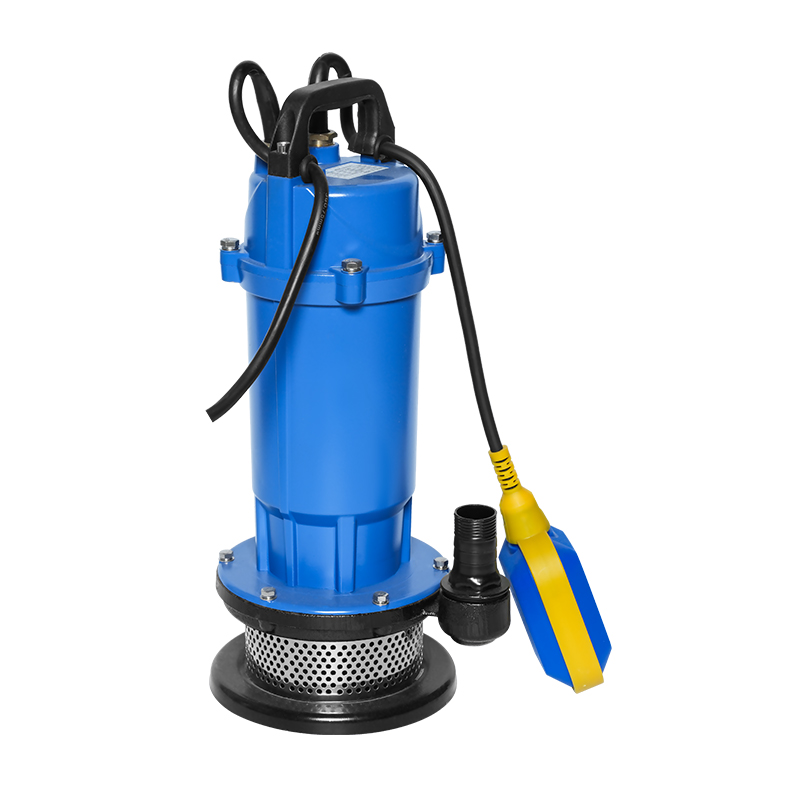
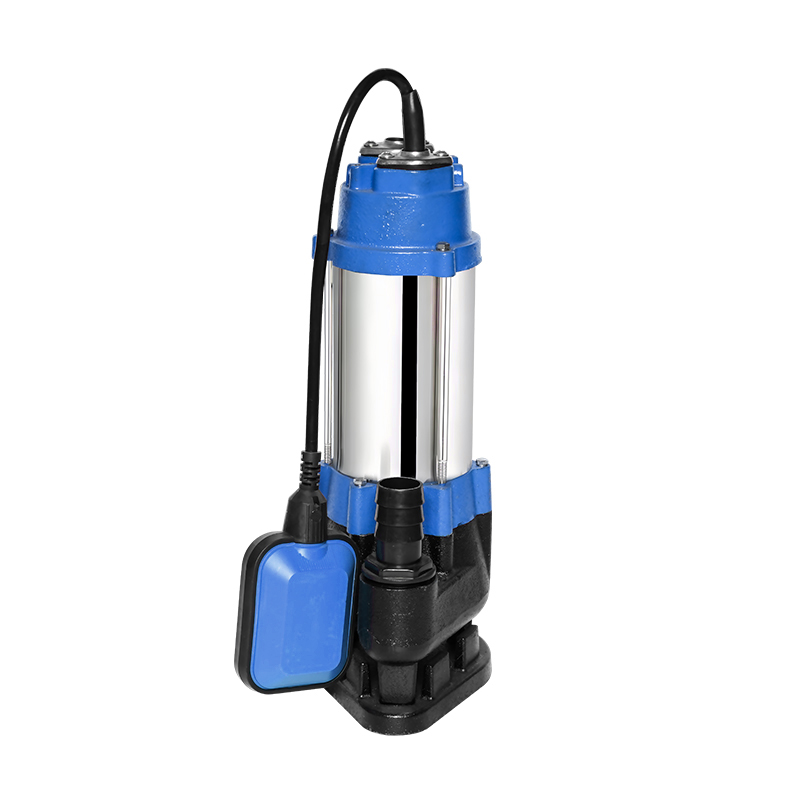
Moving water efficiently is a common requirement across many industries and daily applications. A Centrifugal Water Pump is one of the widely used solutions for transferring water from one place to another. Its design allows continuous flow, making it suitable for tasks that require steady and consistent performance.
From agricultural irrigation to industrial systems, centrifugal pumps play an important role in ensuring water reaches its intended destination. Their relatively simple structure also makes them easy to operate and maintain compared to more complex pumping systems.
How It Works
A Centrifugal Water Pump operates by converting rotational energy into kinetic energy. When the impeller rotates, it creates a flow of water that moves outward from the center, generating pressure that pushes the fluid through the system.
This mechanism allows the pump to handle large volumes of water with stable flow. Because of this design, centrifugal pumps are often used in situations where continuous water movement is needed rather than high-pressure output.
Common Applications
The versatility of a Centrifugal Water Pump makes it suitable for a wide range of uses:
- Agriculture: Irrigation systems for farms and gardens
- Construction: Removing water from sites or supplying water during projects
- Industrial Processes: Circulating water in cooling or cleaning systems
- Residential Use: Supporting household water supply or boosting pressure
These applications highlight how the pump can adapt to both large-scale and small-scale needs.
Benefits for Users
Using a Centrifugal Water Pump offers several practical advantages. One of the key benefits is its ability to provide continuous and smooth water flow, which is important for maintaining stable operations.
Another advantage is ease of maintenance. With fewer moving parts compared to other pump types, servicing and repairs are relatively straightforward. This reduces downtime and helps keep systems running consistently.
Additionally, centrifugal pumps are often available in different sizes and configurations, allowing users to select models that match their specific requirements.
Selection Considerations
When choosing a centrifugal pump, it is important to consider factors such as flow rate, head height, and the type of fluid being handled. Selecting the right specifications ensures that the pump performs as expected in its intended environment.
Material selection also plays a role. Pumps made from corrosion-resistant materials are suitable for handling water with varying chemical properties, while more basic materials may be sufficient for clean water applications.
Maintenance and Operation
Proper maintenance helps extend the life of a Centrifugal Water Pump. Regular checks on seals, bearings, and impellers can prevent wear-related issues. Keeping the pump clean and ensuring it operates within recommended limits also contributes to consistent performance.
Operators should also monitor for unusual noise or vibration, as these can indicate potential problems that need attention.
A Centrifugal Water Pump is a practical and widely used solution for moving water in various settings. Its simple design, steady flow, and adaptability make it suitable for agriculture, industry, construction, and residential use. With proper selection and maintenance, it can provide reliable performance and support efficient water management across different applications.

Leave A Comment
Recommend Products


Copyright © Caifu Pump Industry Co., Ltd.

High Pressure Water Pump Manufacturer