

 ENG
ENG  русский
 Español
 عربى
عربىHow Does an Agricultural Water Pump Support Modern Farming?
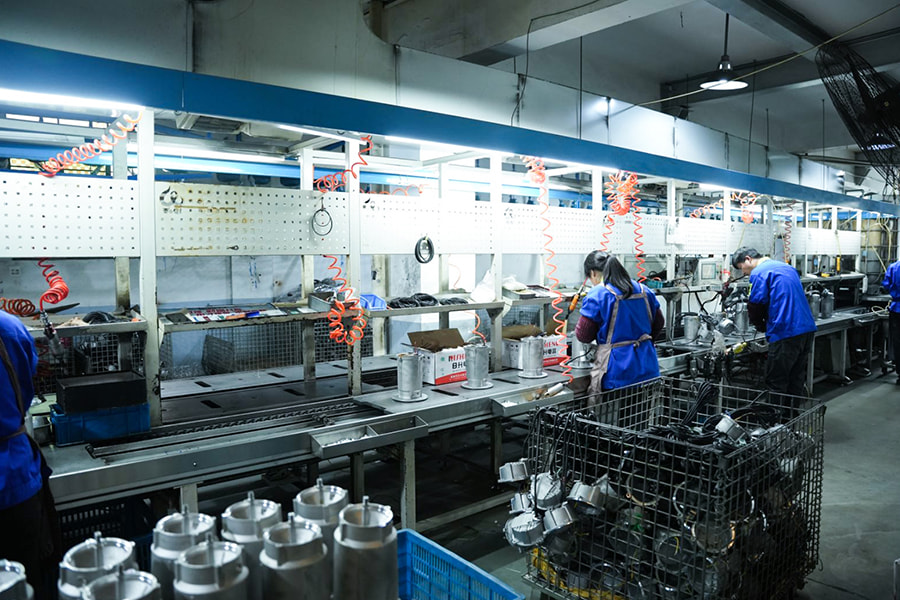
Farming has always depended on water. Rainfall once determined planting schedules and harvest expectations, but today irrigation systems offer more control. At the center of many of these systems stands the Agricultural Water Pump. Though it rarely draws attention, this piece of equipment plays a crucial role in delivering consistent water supply to crops, livestock, and storage facilities.
In regions where rainfall is unpredictable, an Agricultural Water Pump provides stability. It moves water from wells, rivers, or reservoirs to fields, ensuring that crops receive moisture when they need it rather than waiting for seasonal storms.
Moving Water With Purpose
An Agricultural Water Pump works by converting mechanical or electrical energy into hydraulic movement. Whether powered by diesel engines, electric motors, or solar panels, the pump transfers water across distances and elevations that would otherwise make irrigation impractical.
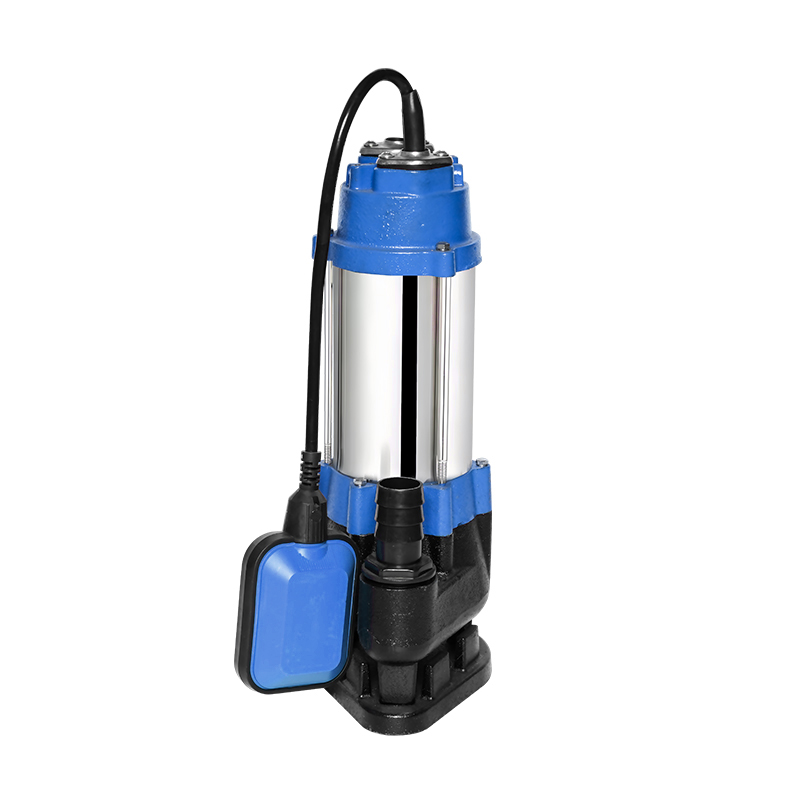
Different farms require different pump types. Centrifugal pumps are often used for surface water sources, while submersible models operate efficiently in deep wells. Selecting the right Agricultural Water Pump depends on factors such as field size, crop type, and water depth.
Reliable water flow helps farmers maintain crop health, reduce drought stress, and plan production schedules more confidently.
Supporting Crop Diversity
Modern agriculture involves more than just staple grains. Farmers grow fruits, vegetables, and specialty crops that require precise irrigation timing. An Agricultural Water Pump allows growers to manage drip systems, sprinklers, or pivot irrigation setups with greater flexibility.
For example, vegetable farms may need frequent but moderate watering, while orchards might require deeper, less frequent irrigation. By adjusting output and distribution, the pump becomes a flexible tool rather than a simple mechanical device.
This adaptability supports diversified farming operations and reduces reliance on unpredictable weather patterns.
Water Efficiency and Resource Management
Water conservation has become a major concern in agriculture. An Agricultural Water Pump can be integrated with smart irrigation controls to prevent overwatering. Timers, moisture sensors, and flow regulators work together with the pump to deliver water only when necessary.
Efficient pumping systems also reduce energy consumption. Proper sizing and regular maintenance ensure that the pump operates without unnecessary strain. Clean filters, leak checks, and periodic inspections help maintain consistent performance and extend equipment life.
By focusing on efficiency, farmers can lower operating costs while preserving water resources.
Adapting to Climate Challenges
Climate variability presents new challenges for agriculture. Extended dry periods and irregular rainfall patterns require dependable irrigation solutions. In such conditions, an Agricultural Water Pump becomes more than equipment—it becomes part of a risk management strategy.
Solar-powered pumps are increasingly used in remote areas where grid electricity is limited. These systems allow farmers to access groundwater without relying solely on fuel supplies. Combining renewable energy with pumping technology helps reduce long-term operational expenses and environmental impact.
As climate conditions evolve, flexible irrigation systems supported by dependable pumps offer a measure of stability.
Beyond Crop Irrigation
The role of an Agricultural Water Pump extends beyond fields. Livestock operations rely on pumped water for drinking systems and cleaning facilities. Greenhouses use controlled irrigation to maintain consistent growing conditions. Even fish farms depend on regulated water circulation.
This wide range of applications shows how central pumping systems are to agricultural infrastructure. From small family farms to large-scale operations, access to steady water flow influences productivity and planning.
A Modest Machine With Major Impact
An Agricultural Water Pump may not be as visible as tractors or harvesters, yet its contribution is substantial. It supports crop growth, resource management, and adaptation to environmental changes.
By ensuring that water reaches the right place at the right time, the pump quietly sustains the rhythm of farming life. In an industry where timing and consistency matter deeply, this dependable machine remains an essential partner in every growing season.

Leave A Comment
Recommend Products


Copyright © Caifu Pump Industry Co., Ltd.

High Pressure Water Pump Manufacturer