

 ENG
ENG  русский
 Español
 عربى
عربىWhat Should Buyers Look for in an Industrial Water Pump Factory?
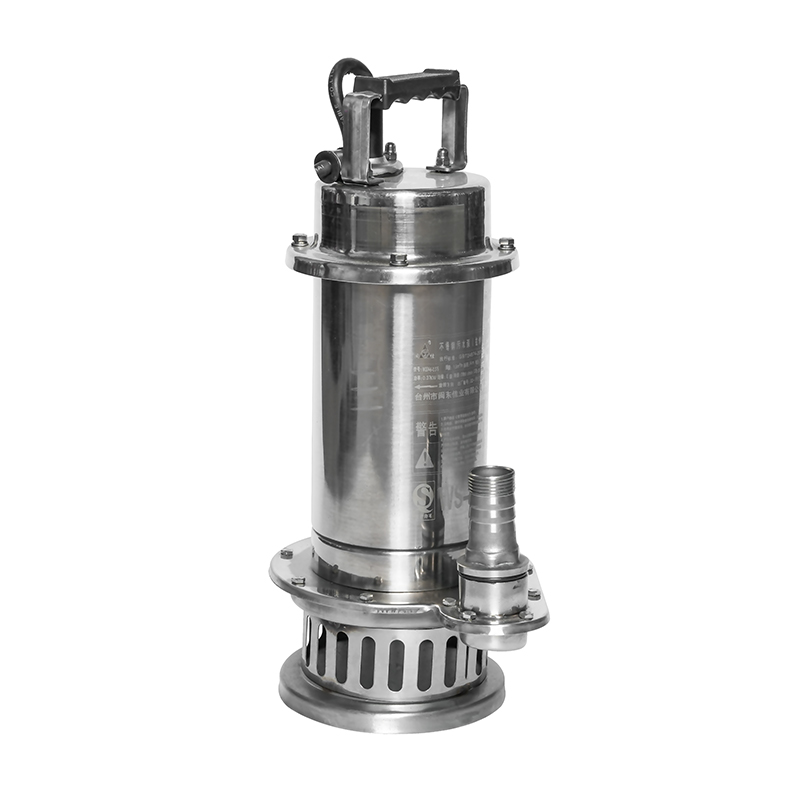
Water management plays a central role in many industries, from agriculture to construction and manufacturing. Behind this essential function is the Industrial Water Pump Factory, where pumps are designed, assembled, and tested to meet a wide range of operational needs. These factories are not just production sites—they are part of a broader system that supports infrastructure and industrial activity.
An Industrial Water Pump Factory focuses on producing pumps that handle large volumes of water under varying conditions. These pumps may be used for irrigation, wastewater treatment, mining operations, or industrial cooling systems. Each application comes with different requirements, which means factories must maintain flexibility in design and production.
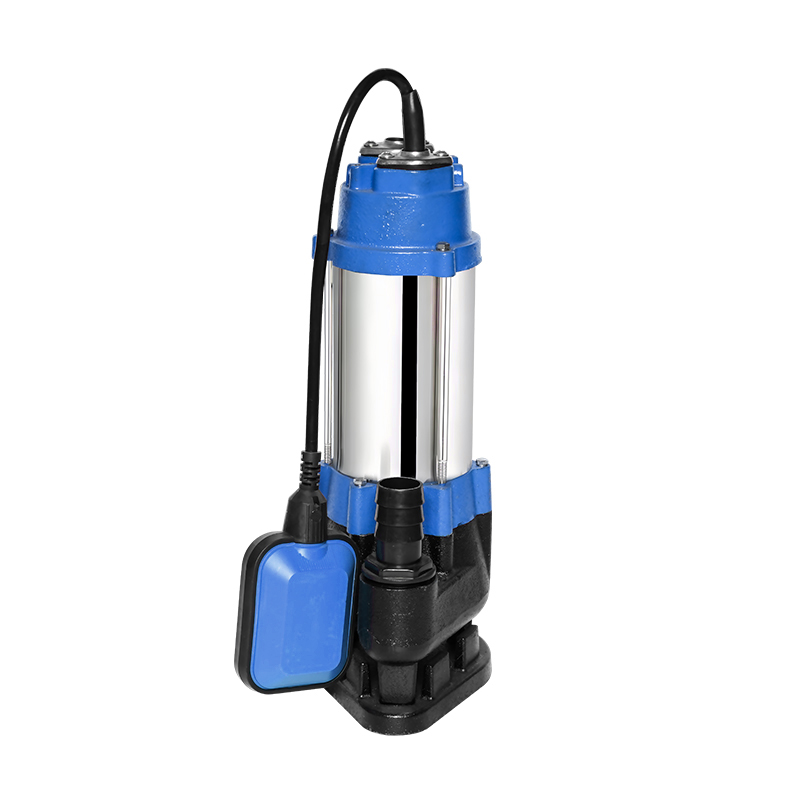
Rather than relying on a single model, manufacturers often produce multiple pump types, including submersible pumps, centrifugal pumps, and high-pressure systems. This diversity allows them to serve different industries without limiting their production scope.
Production Process and Key Stages
Inside an Industrial Water Pump Factory, the production process usually follows several key stages:
- Design and engineering: Creating pump models based on flow rate, pressure, and usage conditions
- Material selection: Choosing metals or composites that can handle corrosion, wear, and temperature changes
- Component machining: Producing parts such as impellers, shafts, and casings
- Assembly: Combining components into a complete pump system
- Testing: Checking performance, efficiency, and durability before shipment
Each stage contributes to the final product's reliability. Testing, in particular, ensures that pumps can operate under expected conditions without frequent failure.
Adapting to Industry Requirements
Different industries place different demands on pump performance. For example, agricultural use may focus on steady flow rates, while construction projects might require pumps that can handle debris or muddy water. An Industrial Water Pump Factory must understand these variations and adjust production accordingly.
Customization has become more common. Clients may request specific materials, motor configurations, or control systems. By offering these options, factories can meet precise operational needs without requiring clients to modify equipment after purchase.
Balancing Cost and Durability
One of the challenges faced by an Industrial Water Pump Factory is balancing cost with durability. Industrial clients often look for equipment that can operate for extended periods with minimal maintenance. At the same time, cost considerations remain important, especially for large-scale projects.
Manufacturers address this by standardizing core components while allowing certain parts to be customized. This approach keeps production efficient while still offering flexibility. It also helps maintain consistent quality across different product lines.
Quality Control and Long-Term Performance
Quality control is a continuous process within an Industrial Water Pump Factory. Inspections are carried out at multiple stages, from raw materials to final assembly. This helps identify potential issues early and ensures that each pump meets performance expectations.
Long-term performance is influenced by both design and manufacturing accuracy. Proper alignment of components, precise machining, and careful assembly all contribute to reducing wear and extending service life.
The role of the Industrial Water Pump Factory continues to evolve as industries seek more efficient and reliable water management solutions. While the basic function of pumps remains unchanged, the methods of production and design are gradually adapting to new challenges.
From supporting infrastructure projects to enabling industrial operations, these factories play a steady role in keeping systems running. By focusing on flexibility, quality, and practical design, an Industrial Water Pump Factory can respond to changing demands while maintaining consistent output.

Leave A Comment
Recommend Products


Copyright © Caifu Pump Industry Co., Ltd.

High Pressure Water Pump Manufacturer