

 ENG
ENG  русский
 Español
 عربى
عربىWhat Water Supply Applications Suit a Peripheral Centrifugal Pump
Water supply systems are becoming a lot more varied across different properties. A pump used in a house may have genuinely different operating needs from one used in a farm, workshop, or small production facility down the road. Choosing equipment based only on the pump type can therefore leave important questions unanswered when it's time to install.
A Peripheral Centrifugal Pump is one option used in water supply systems where a compact pump arrangement and stable water movement are useful for the job. Its application depends on the layout of the water system, the source of water, the required operating pattern, and the relationship between the pump and other equipment already in place.
The same pump category can appear in several environments side by side. Residential properties may use it for water transfer or pressure support around the house. Agricultural users may consider it for smaller water movement tasks around the yard. Small industrial facilities can use similar equipment for utility water systems and general transfer work on the floor.
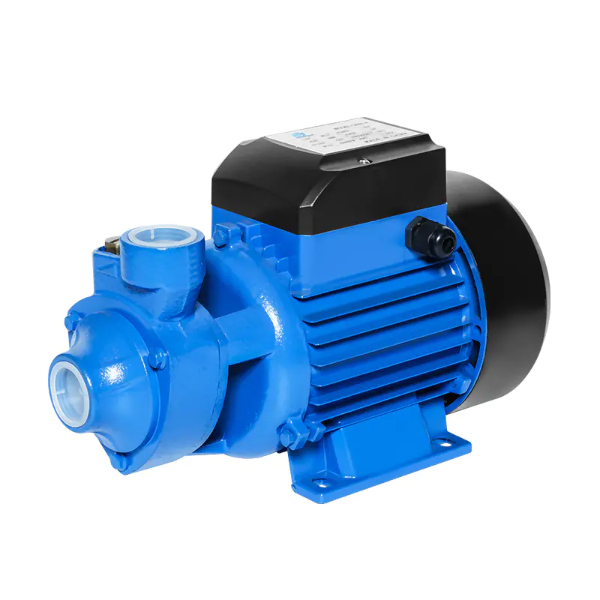
Booster applications are another area worth examining closely. A building may already have a water source but need additional support to move water through the internal system reliably. In that situation, the pump becomes part of a wider arrangement, rather than a standalone product sitting on its own.
This application based approach proves useful for buyers, since it changes the main question they're asking. Instead of asking whether a particular pump is suitable in general, buyers can ask whether it fits the specific water supply task sitting in front of them right now.
Can a Peripheral Centrifugal Pump Support Residential Water Supply?
Residential Water Supply is one of the practical environments where a compact centrifugal pump can get considered for the job. Homes may need water to move from a storage tank, well, collection point, or other source toward household outlets scattered through the building.
The actual requirement depends on the building and its water arrangement already in place. A small house may have a simple transfer task, while a larger property may involve several water use points and more complicated pipe routing throughout. The pump needs to work with the existing system, rather than getting selected separately from it.
Several residential applications may include the following situations.
- Water transfer from storage. A pump can move stored water toward household use areas when gravity alone isn't suitable for the job.
- Garden water supply. Outdoor water points may need additional support when the source is located away from the area of use.
- Small household water systems. Some properties use pumps as part of a broader arrangement connecting a water source with indoor outlets.
- Water supply for auxiliary buildings. Workshops, garages, and other structures may have their own water requirements to meet.
Noise and installation space can also matter quite a bit in residential settings close to home. A pump installed close to living areas should get considered as part of the surrounding environment, not tucked away without a thought. Easy access for inspection and maintenance is equally useful for whoever ends up servicing it.
The quality of the incoming water should also get considered before buying anything. Equipment intended for clean water shouldn't automatically get treated as suitable for water containing large amounts of solid material or other unwanted substances mixed in.
Residential users can therefore benefit from looking at the complete water route from source to tap. The source, storage arrangement, pipe system, control method, and intended use all help determine whether a particular pump design genuinely makes sense for the home.
How Can It Fit Agricultural Water Supply?
Agricultural water systems cover a genuinely wide range of applications across a farm. Some farms need water for livestock areas, cleaning, small irrigation tasks, storage tanks, or general utility use scattered around the property. These needs can differ considerably from large field irrigation systems covering acres.
A Peripheral Centrifugal Pump can get considered for smaller water supply duties where the system doesn't require equipment designed for heavy water movement across a large field. The suitability depends on the water source and the way the farm distributes water around the property.
For example, a farm may collect water in a storage tank and then move it toward another part of the property for use. The pump can serve as the link between those two points on the map. In another setting, it may support water delivery to a small utility area or animal care facility tucked in the back.
Agricultural environments also bring practical concerns that are less common inside a house nearby. Dust, outdoor exposure, seasonal changes, and long periods without use can affect equipment care over a season. The pump location should therefore allow inspection and protection from unnecessary environmental exposure out in the elements.
Water quality is another genuinely important consideration on a working farm. Agricultural water may contain particles or other materials that aren't appropriate for every pump design out there. Buyers should identify the actual water condition before selecting equipment for the job.
The surrounding pipe arrangement matters as well across the property. Long routes, multiple outlets, storage tanks, and changing demand can alter how the water system behaves day to day. A pump that works well in a simple transfer arrangement may not be suitable for a much larger distribution system spread across acres.
This is why agricultural buyers often benefit from separating general water supply from specialized irrigation requirements early on. The application may look similar from a distance, but the operating conditions can be quite different once you look closer.
Is It Useful for Booster Water Supply?
Booster Water Supply is another application where pump selection is closely tied to the existing system already in place. In this type of arrangement, water is already available, but additional assistance may be needed to move it to the intended point of use reliably.
Buildings can experience this situation for several reasons worth noting. Water may need to travel between different areas across a large footprint. Several outlets may operate as part of the same system at once. Storage arrangements can also create a need for additional water movement beyond what gravity alone provides.
A booster pump becomes part of this network rather than sitting apart from it. It doesn't simply move water from one container to another in isolation. Its operation needs to match the way water enters and leaves the system it's connected to.
This makes control a genuinely important consideration for the whole setup. Some systems may operate only when water is actually needed at that moment. Others may use a storage arrangement that changes when and how the pump operates throughout the day.
A practical booster installation can include several connected elements worth understanding.
| System Element | Purpose |
|---|---|
| Water source | Provides incoming water |
| Storage tank | Holds water for later use |
| Pump | Moves water through the system |
| Pipes | Carry water between locations |
| Valves | Control the water route |
| Control equipment | Coordinates pump operation |
| Outlet points | Deliver water to users |
The pump is only one part of this arrangement, not the whole picture. Poorly matched pipes, valves, or controls can affect the overall experience, even when the pump itself is perfectly suitable for the job. Booster applications can occur in homes, small commercial buildings, workshops, and other properties across the board. The common factor is the need to improve water movement within an existing supply arrangement already there.
Where Can Small Industrial Water Systems Use This Pump Type?
Small industrial facilities often have water needs that sit somewhere between household use and large process systems on the other end. Workshops, small production sites, equipment cleaning areas, and utility rooms may require water transfer without the complexity of a large pumping installation taking up half the building.
A Peripheral Centrifugal Pump may fit some of these duties when the water is relatively clean and the operating task matches the pump design already available. It can become part of a utility water system, storage arrangement, or general transfer process running through the facility.
The application should get clearly defined before purchase, not figured out after the fact. A pump used to supply a cleaning area may face genuinely different conditions from one supporting a production related water circuit elsewhere on the floor. The source, destination, water condition, operating frequency, and surrounding equipment all matter in the decision.
Small industrial sites also tend to value practical installation above all else. Space can be limited, especially when pumps get added to existing systems after the fact. A compact arrangement may be easier to position in a tight spot, but there still needs to be enough room for inspection and service down the line.
Maintenance planning should begin during installation, not as an afterthought. Operators should be able to reach the pump, connections, valves, and related components without major disruption to nearby equipment running at the same time.
Another consideration is process separation across different uses. If water is used for a specific production activity, buyers need to understand whether the pump and associated materials are appropriate for that use specifically. A general water transfer pump shouldn't automatically get treated as suitable for every industrial process it might encounter.
This application is therefore less about putting a pump into a factory and calling it done. It's more about matching the pump to the specific utility task at hand. Clear separation between general water supply and specialized process duties can make purchasing decisions a lot easier down the line.
How Does the Water Source Affect Application Choice?
The water source has a direct influence on pump selection, more than buyers often expect. Clean stored water, collected water, well water, and other sources can present genuinely different operating conditions for the equipment. The pump needs to be compatible with the water entering the system from that source.
Storage tanks are relatively straightforward to plan around, since the water source and pump location can usually get planned together from the start. The main concern is creating a practical route from the tank to the intended outlets while keeping the equipment accessible for service.
Well water requires more attention to the source arrangement before buying anything. The location of the water, the surrounding system, and the quality of the incoming water should all get understood before equipment gets selected for the job.
Collected water can introduce another issue worth watching. Rainwater and other stored sources may contain particles or debris depending on how they're collected and protected from the elements. Filtration or other preparation may be needed before the water reaches the pump itself.
Agricultural sources can vary even more across a single property. Water used around a farm may come from tanks, wells, collection systems, or other local sources scattered about. Each source should get evaluated according to its condition and intended use before a decision gets made.
The destination matters just as much as the source, if not more. Moving water into a storage tank is genuinely different from supplying multiple outlets throughout a building at once. A clear understanding of both ends of the water route gives buyers a genuinely more useful basis for equipment selection.
What Installation Conditions Should Users Consider?
A suitable pump can still create problems when the installation environment is poorly planned around it. The location should provide reasonable access to the equipment and allow connected pipes and valves to get arranged without unnecessary obstruction in the way.
The foundation or mounting area should also be appropriate for the equipment sitting on it. Movement, vibration, moisture, and surrounding conditions can affect the long term installation experience over the years. Keeping the pump in a clean and protected location can simplify routine care considerably.
Pipe routing deserves attention as well during planning. Unnecessary bends and poorly planned connections can make a water system a lot harder to maintain down the line. The pump should get positioned as part of a clear flow path, rather than added wherever space happens to be available at the moment.
Electrical and control arrangements should get considered during installation too. The pump may operate manually in a simple system or connect with other controls in a more organized water supply arrangement elsewhere. The selected operating method should match the needs of the application it's serving.
For outdoor agricultural use, environmental protection becomes a lot more important to plan for. Exposure to rain, dust, direct sunlight, and changing conditions can affect the equipment and its surrounding connections over a season outdoors.
Residential installations have their own concerns worth noting too. The pump may be located near living spaces, storage areas, or utility rooms close to daily life. Access, noise, cleanliness, and visual impact can influence where the equipment gets placed in the home.
Installation planning should therefore cover the entire system, not just the pump itself. Pump location, water source, pipes, valves, controls, and maintenance access all contribute to the final result once everything's connected.
How Should Buyers Match the Pump to Different Water Supply Needs?
A useful purchasing decision begins with the application, rather than the product name on a catalog page. Buyers can describe what the water needs to do and then compare pump options against that requirement directly.
The following framework can help organize the decision before placing an order.
| Application | Main Question | Important Consideration |
|---|---|---|
| Residential supply | Where does household water need to go? | Source, outlets, space, and operating pattern |
| Garden supply | Is water needed at an outdoor point? | Water source and outdoor conditions |
| Agricultural utility | What task does the farm water system support? | Water condition and operating environment |
| Small industrial use | Is the pump handling general utility water? | Process compatibility and maintenance access |
| Booster supply | Does an existing system need additional water movement? | Relationship with storage, pipes, valves, and controls |
| Tank transfer | Is water being moved between storage points? | Source, destination, and system layout |
This approach prevents buyers from treating all water supply applications as the same thing, which they clearly aren't. A household system may prioritize convenience and quiet operation around the family, while an agricultural system may place more attention on environmental protection and service access out in the field.
Small industrial users may need to consider compatibility with surrounding equipment already running on the floor. Booster applications may require more attention to controls and the behavior of the wider water network they're plugged into.
The choice can also change once the application changes down the line. A pump selected for a simple tank transfer shouldn't automatically get moved into a different duty without checking whether the new conditions remain suitable for it.
Suppliers can assist a lot more when buyers provide clear application information upfront. Useful details include the water source, intended destination, operating pattern, installation environment, water condition, and the equipment already connected to the system in question. This type of communication creates a genuinely more practical purchasing process for everyone involved. It also shifts attention away from general product claims and toward whether the pump can actually work as part of the real water supply environment it's headed into.

Leave A Comment
Recommend Products


Copyright © Caifu Pump Industry Co., Ltd.

High Pressure Water Pump Manufacturer