

 ENG
ENG  русский
 Español
 عربى
عربىHigh Pressure Water Transfer Pump vs Gravity Systems
Water pressure drops to a trickle right when the sprinkler line needs it more than ever. Or maybe it is the opposite problem: a gravity fed tank perched on a hillside, technically working, just not moving enough water to cover a full field. Sound familiar? These are the exact frustrations that push homeowners and farm operators toward comparing a High Pressure Water Transfer Pump against a gravity based setup to begin with. Both move water from point A to point B. How they get there, though, could not be more different, and picking the wrong one for your terrain tends to turn into a recurring headache rather than a one time inconvenience. Homeowners managing residential water supply, small farm operators, irrigation planners, contractors, procurement teams evaluating equipment for a distribution project. All of them eventually land on the same question. Understanding how these two systems differ in flow, cost, and reliability shapes a decision that sticks around for years, quietly affecting daily water access long after the installation crew has packed up and left.
How Does a Gravity Water System Actually Work?
Elevation does all the work here. Store water in an elevated tank or reservoir, let natural gravity pull it downward through pipes, and that is basically the whole mechanism. No motor. No electricity. No moving parts beyond a handful of valves controlling flow. The entire system hinges on one variable: how much height difference exists between the storage point and wherever the water needs to end up, since that vertical drop is what generates the pressure pushing water through the pipeline.
Does Elevation Really Determine Everything About This System?
Pretty much, yes. A tank positioned high above the delivery point generates noticeably stronger flow than one sitting just a short distance above it, and that relationship between height and pressure explains why gravity systems thrive on hillside properties or farms blessed with natural elevation. Flat land is a different story entirely. Without enough vertical drop, the whole approach struggles to generate anything close to useful pressure, no matter how large the tank happens to be.
How Does a High Pressure Water Transfer Pump Solve the Same Problem Differently?
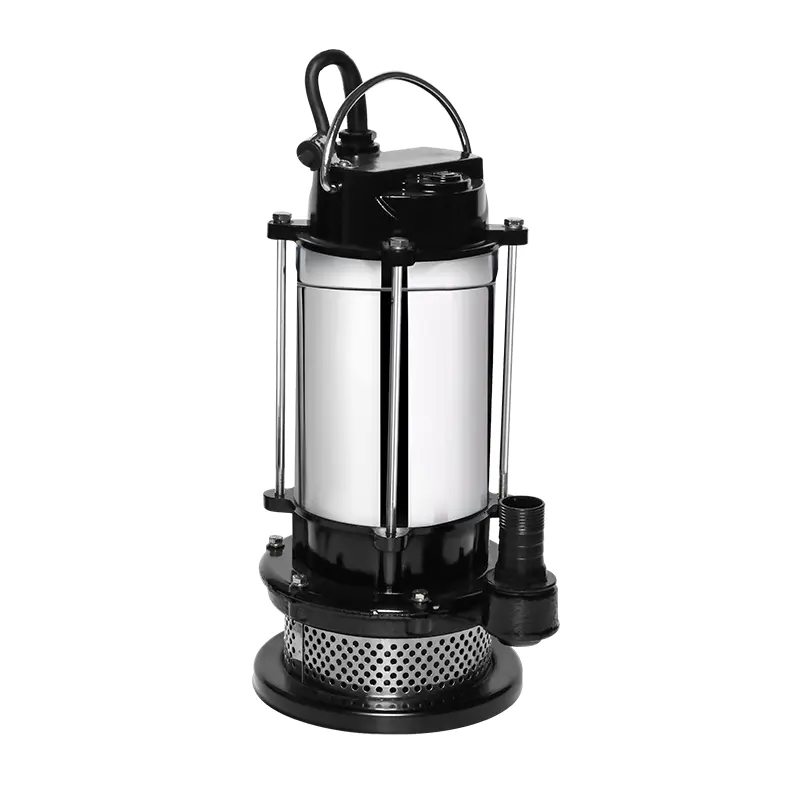
Forget elevation. A pump generates pressure mechanically, pulling water from a source and forcing it through pipelines with a force that owes nothing to terrain. That single difference makes pumped systems considerably more adaptable across property layouts, since flat land, uneven terrain, or a location with zero natural elevation advantage can still deliver strong, consistent water pressure once a pump enters the picture.
Why Does Pump Based Pressure Matter for Certain Applications?
Think about sprinkler irrigation covering a large field. That kind of application needs steady, strong flow regardless of distance, and pump generated pressure delivers exactly that, without fluctuating based on how full a gravity tank happens to be at any given moment. A gravity system's pressure naturally sags as the tank empties. A properly sized pump, on the other hand, keeps output steady through an entire watering cycle, start to finish.
Comparing These Two Systems Across Practical Factors
Laid out side by side, the tradeoffs get a lot easier to see.
| Factor | Gravity Water System | High Pressure Water Transfer Pump |
|---|---|---|
| Power Requirement | None, relies on elevation | Requires electricity or fuel power |
| Flow Consistency | Decreases as tank empties | Remains steady throughout operation |
| Terrain Dependency | Requires meaningful elevation difference | Works across flat or uneven terrain |
| Installation Complexity | Simpler, fewer mechanical parts | More involved, requires pump and wiring setup |
| Ongoing Operating Cost | Lower, no energy consumption | Higher, tied to power source usage |
| Suited Distance and Volume | Shorter distances, moderate volume | Longer distances, higher volume capability |
The deciding factor, once you look at this table, usually comes down to one question: what does your property actually offer in terms of elevation, and how much flow consistency does your specific application genuinely need?
Which System Costs Less Over the Long Run?
Installation favors gravity, hands down. No pump, no wiring, no power connection to account for beyond the tank and piping itself. But operating cost? That tells an entirely different story once time enters the equation.
Does a Pump Always Cost More to Run Long Term?
Not necessarily, though it certainly introduces an ongoing energy expense that gravity systems never carry. Run a Continuous Duty Water Pump frequently across a large irrigation schedule and those energy costs add up in a way gravity simply avoids. That said, gravity systems often need periodic tank refilling, and that refill step sometimes involves its own pumping process upstream, which quietly offsets some of the apparent savings depending on how the broader water supply chain is structured.
Which Option Suits Residential Water Supply Better?
For homeowners, it usually comes down to one thing above everything else: consistent pressure at the tap, especially for showers, appliances, and everyday household use.
- Gravity systems work well for homes situated on naturally elevated property, provided the tank sits high enough above the house to generate adequate pressure.
- Homes on flat land or tucked into a valley typically need a pump based solution instead, since there simply is not enough elevation to lean on gravity alone.
- A Compact Water Pump suits smaller residential setups where equipment space runs tight, offering dependable pressure without demanding a large footprint.
- A Smart Water Pump with automated pressure sensing adjusts output based on real time household demand, a level of responsiveness many homeowners appreciate compared to a fixed gravity flow rate that cannot react to changing usage at all.
How Does Farm and Agricultural Use Change This Comparison?
Agriculture brings its own priorities to the table, particularly around covering large areas and absorbing variable seasonal demand without missing a beat.
Does Irrigation Scale Favor Pumps Over Gravity Systems?
For larger fields, yes, generally. A Water Pump for Farming setup tends to outperform gravity alone, since irrigating wide areas demands consistent pressure across long pipeline runs, and gravity systems struggle to sustain that without an enormous elevation advantage the typical property simply does not have. A High Capacity Water Pump becomes particularly relevant here too, since farm irrigation schedules often call for higher volume delivery within a limited watering window, especially during peak growing season when crops cannot afford inconsistent moisture.
What About Smaller Scale Farming Operations?
Smaller operations do not need the same capacity as a large commercial farm, obviously, but a Water Pump for Agriculture setup scaled down still generally beats gravity dependency, particularly on properties lacking significant natural elevation. A smaller pump unit can deliver consistent pressure across a moderate sized field without dragging in the cost or complexity of a full commercial irrigation system.
How Should Terrain Guide the Final Decision?
Terrain assessment needs to happen before any equipment purchase. It determines, fundamentally, whether a given system can even function on a specific property.
- Measure the actual elevation difference available between a potential tank location and the delivery point. Insufficient drop makes gravity systems impractical no matter how large the tank gets built.
- Evaluate property layout for flat or uneven sections that would keep a gravity system from reaching every area needing water.
- Consider future property changes, like additional structures or expanded irrigation zones, that might require delivery beyond what current elevation supports.
- Assess power availability at the property, since pump systems depend on a reliable electricity or fuel source to operate consistently.
- Factor in water demand patterns. Applications with variable or peak demand periods tend to benefit from pump reliability over gravity's naturally declining pressure as a tank runs low.
Skip this terrain assessment and you risk one of two outcomes: an underperforming gravity setup stuck on flat land, or an unnecessarily complex pump installation on a property that actually had plenty of elevation to work with gravity alone.
What Should Buyers Discuss With a Pump Supplier Before Purchasing?
Sourcing the right pump deserves a structured conversation, not a decision based on unit price alone.
- Confirm flow rate and pressure specifications match the actual distance and volume your application demands.
- Ask about duty cycle ratings, particularly for irrigation setups running long stretches during peak growing season.
- Clarify power source compatibility. Does the property have reliable grid electricity, or does it need a fuel powered alternative instead?
- Request information on maintenance requirements and expected component lifespan under regular seasonal use.
- Inquire about available capacity tiers, since matching pump size to actual need avoids both underperformance and unnecessary energy waste from an oversized unit sitting there working harder than it should.
Ask these questions upfront and you usually find out fast whether a prospective supplier genuinely understands agricultural or residential water supply challenges, rather than just pushing whatever unit happens to be sitting in stock.
How Do Maintenance Needs Compare Between These Two Approaches?
Ongoing upkeep differs considerably between a system built with almost no moving parts and one built around a motor running under regular load.
What Does Gravity System Maintenance Actually Involve?
Not much, honestly. No motor, no impeller, no electrical connection to inspect. Maintenance mostly centers on the tank itself, checking for sediment buildup, cracks, or leaks, plus periodic inspection of valves and piping for wear or blockage. With so few components able to fail to begin with, plenty of property owners find gravity setups appealing specifically because they demand so little ongoing attention once properly installed.
What Should Pump Owners Expect for Regular Upkeep?
A pump introduces mechanical wear gravity systems never experience. Bearings, seals, impellers, they all degrade gradually under regular operation, which means pump owners should expect periodic inspection, occasional part replacement, and attention to unusual noise or vibration that might signal something developing beneath the surface. Run a Continuous Duty Water Pump through long irrigation seasons and it faces more cumulative wear than one used only occasionally, so duty cycle expectations should directly shape how often maintenance checks actually get scheduled.
Does Seasonal Demand Change Which System Performs Better?
Water needs rarely stay flat throughout the year, and how each system absorbs seasonal swings matters quite a bit for anyone planning a long term water supply strategy.
- Gravity systems depend on tank refill frequency keeping pace with seasonal demand spikes, which can turn into a bottleneck during peak summer irrigation or drought conditions when water use climbs sharply.
- Pump based systems can typically scale output upward during high demand periods, assuming the power source and pump capacity were sized appropriately from the start.
- Farms facing seasonal spikes in irrigation need, particularly during flowering or fruiting stages of a growing cycle, often find pump reliability more valuable than gravity's fixed pressure ceiling.
- Residential properties with seasonal guests, added outdoor watering needs, or expanded household use during warmer months sometimes find a gravity system stretched thin in ways a properly sized pump simply would not be.
Recognize these seasonal patterns before finalizing an equipment choice, and you avoid a situation where a system performs fine for much of the year but falls apart exactly when demand peaks and reliable supply matters more than at any other point.
Can These Two Systems Work Together Rather Than Competing?
Worth mentioning: these approaches are not always mutually exclusive. Some properties combine a pump with a gravity fed storage tank, using the pump to fill an elevated tank efficiently while letting gravity handle distribution afterward without continuous energy draw. This hybrid setup offers a genuinely practical middle ground, capturing some of gravity's low operating cost benefit while still achieving the fill rate and flexibility a pump brings to the table. Property owners on the fence about committing fully to one approach or the other often find this combined setup quietly resolves concerns from both sides of the comparison.
Bringing the Comparison Back to Your Property
So which one wins? Neither, really, not universally. Choosing between a gravity fed system and a High Pressure Water Transfer Pump depends entirely on what your specific property offers in terms of elevation, how consistently you need pressure across your usage pattern, and whether the application involves residential supply, small scale gardening, or full field agricultural irrigation. Gravity rewards properties with genuine elevation advantage through lower operating costs and mechanical simplicity. Pumps offer flexibility and steady pressure regardless of terrain, at the cost of ongoing energy consumption and a more involved setup process. Caifu Pump Industry Co., Ltd. works with homeowners, farm operators, contractors, and procurement teams evaluating exactly this kind of water supply decision, and sharing your property layout, elevation profile, and expected water demand is a practical way to start narrowing down whether a pump, a gravity system, or some combination of both actually fits your situation.

Leave A Comment
Recommend Products


Copyright © Caifu Pump Industry Co., Ltd.

High Pressure Water Pump Manufacturer