

 ENG
ENG  русский
 Español
 عربى
عربىWhat Are the Key Features of a Reliable Agricultural Water Pump?
Water management is essential for agriculture, and an Agricultural Water Pump plays a vital role in ensuring crops receive consistent and sufficient irrigation. These pumps are designed to move water from sources such as rivers, wells, or reservoirs to fields efficiently and reliably. Understanding the construction, operation, and maintenance of agricultural pumps provides insight into their role in modern farming.
Types of Agricultural Water Pumps
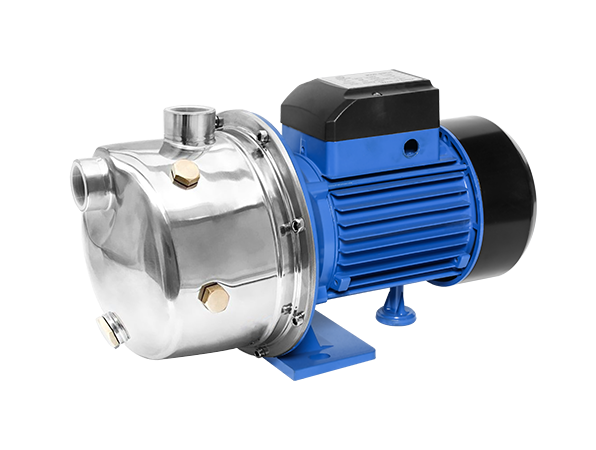
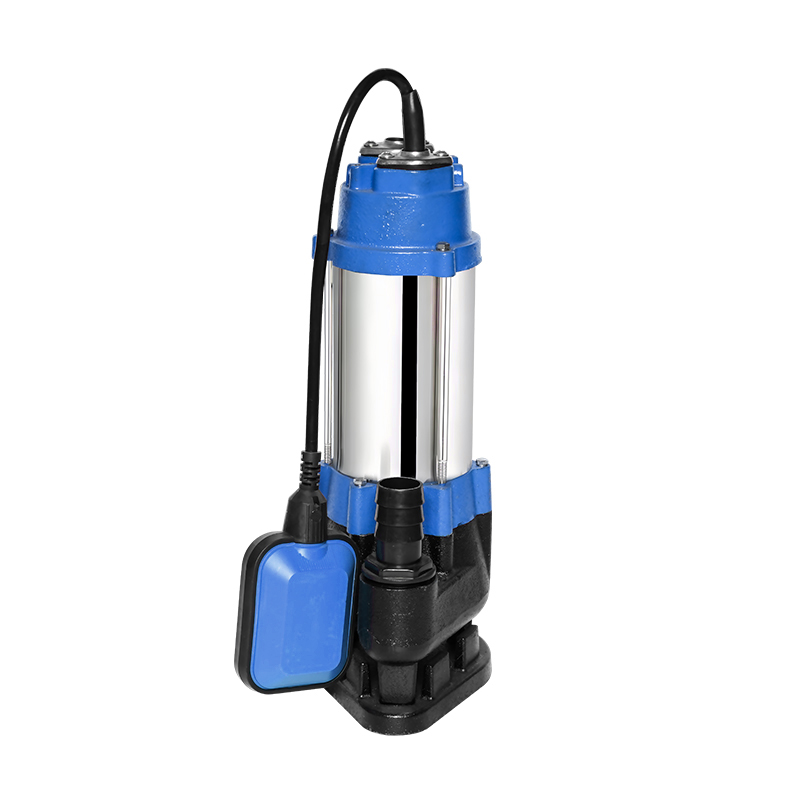
There are several types of Agricultural Water Pumps designed to suit different water sources and farming needs. Centrifugal pumps, for example, are commonly used for surface water irrigation, where water is drawn from canals or rivers and distributed across fields. Submersible pumps are installed directly in wells or ponds, providing consistent water flow without the need for priming.
Some pumps are powered by electricity, while others rely on diesel engines or solar energy. The choice depends on the availability of power sources, water volume requirements, and field size. Manufacturers often offer a range of models to accommodate various farm operations.
Construction and Materials
The durability of an Agricultural Water Pump depends largely on the materials and construction methods used. Components such as impellers, shafts, and casings are typically made from corrosion-resistant metals like stainless steel or cast iron. Seals and bearings are carefully selected to reduce wear and extend operational life, especially in environments with sand or other debris in the water.
High-quality pumps are designed to operate under continuous conditions and maintain consistent pressure, even when moving large volumes of water. Attention to material quality and precision manufacturing ensures long-term reliability for farm use.
Installation and Operation
Installing an Agricultural Water Pump involves proper site assessment and positioning. Surface pumps must be placed on a stable platform near the water source, while submersible pumps are lowered into wells or reservoirs with secure anchoring. Correct installation ensures efficient water flow and reduces the risk of mechanical issues.
Operation involves monitoring water flow and pressure to meet irrigation requirements. Farmers may use manual controls or automated systems to regulate pump operation, depending on the model. Efficient operation reduces energy consumption and minimizes maintenance needs.
Maintenance and Longevity
Regular maintenance is essential for any Agricultural Water Pump. This includes checking seals, bearings, and impellers for wear, cleaning filters, and inspecting electrical or engine components. Routine maintenance helps prevent downtime during critical irrigation periods and extends the service life of the pump.
Many manufacturers provide guidelines for preventive maintenance, including lubrication schedules, seasonal checks, and replacement of worn parts. Proper maintenance ensures the pump remains reliable for years of operation.
Benefits for Farming Efficiency
Using an Agricultural Water Pump improves irrigation efficiency by delivering water directly to crops with controlled flow and pressure. This reduces water wastage and supports more uniform crop growth. Pumps also enable farmers to access water from multiple sources, including rivers, ponds, and wells, increasing flexibility in water management.
Modern pumps may include energy-efficient designs or automation features, reducing operational costs and labor requirements. Even without high-tech systems, a durable and well-maintained pump provides consistent performance, which is critical for successful crop management.
An Agricultural Water Pump is an essential tool in modern farming, supporting reliable and efficient irrigation. By combining appropriate pump types, durable materials, careful installation, and routine maintenance, farmers can ensure consistent water supply to crops, reduce wastage, and improve productivity. Whether powered by electricity, diesel, or solar energy, these pumps play a vital role in agricultural operations, providing both flexibility and long-term reliability for diverse irrigation needs. Understanding the manufacturing quality, operational requirements, and maintenance practices of these pumps helps farmers select the right equipment for their fields.

Leave A Comment
Recommend Products


Copyright © Caifu Pump Industry Co., Ltd.

High Pressure Water Pump Manufacturer