

 ENG
ENG  русский
 Español
 عربى
عربىHow Does an Industrial Water Pump Support Large-Scale Operations?
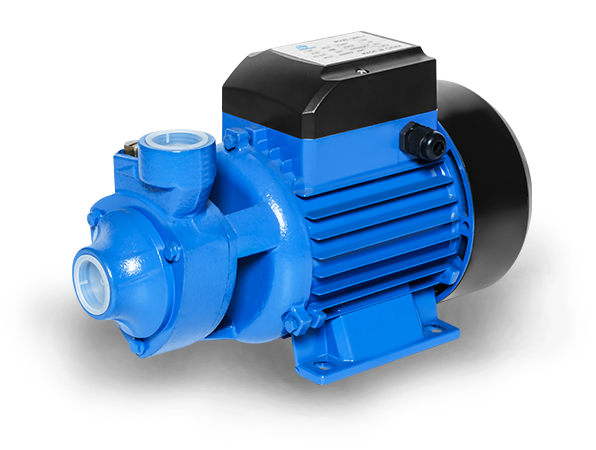
Water management is essential for many industrial processes, including manufacturing, power generation, chemical processing, and municipal water systems. An Industrial Water Pump plays a crucial role in moving water efficiently, maintaining system stability, and supporting operational safety. Understanding the types, design, and applications of these pumps helps businesses select the right equipment for their needs.
An Industrial Water Pump is a heavy-duty machine designed to transport large volumes of water or other fluids under various conditions. Unlike smaller or portable pumps, industrial pumps handle higher flow rates, greater pressure, and continuous operation. They are constructed with durable materials to withstand harsh industrial environments and often incorporate specialized components to meet specific operational demands.
These pumps are used in cooling systems, water treatment plants, irrigation, and chemical processes, where consistent and reliable performance is essential.
Types and Applications
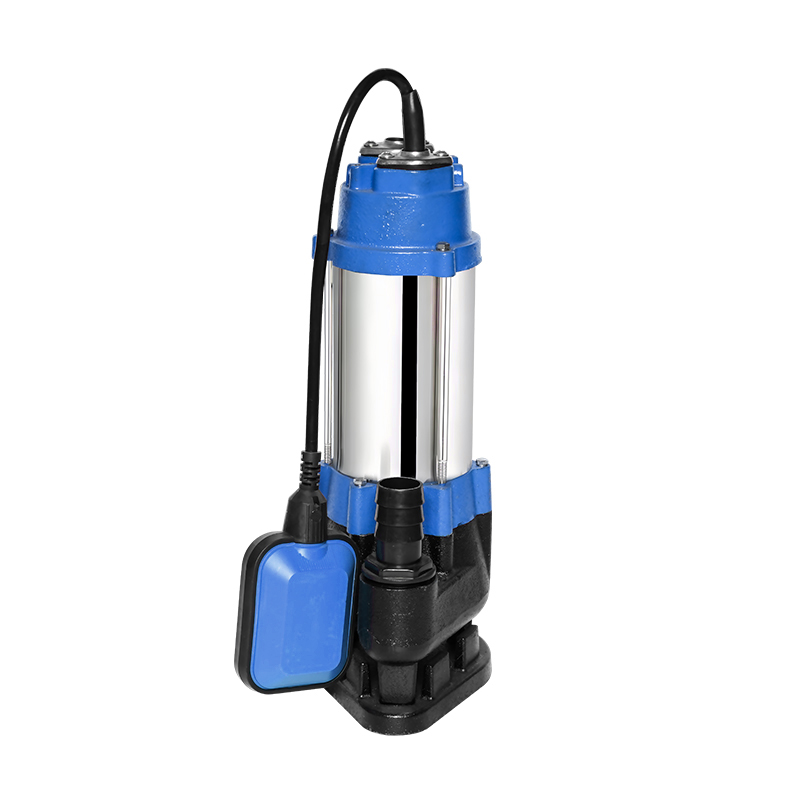
Industrial water pumps come in several types, each suited for different purposes. Centrifugal pumps are widely used in industries for transferring water at moderate pressure. Positive displacement pumps are suitable for applications requiring precise flow rates. Submersible pumps handle flooded areas or deep wells, while multistage pumps are used when high pressure is required for water transport over long distances.
Choosing the appropriate type ensures that the pump meets operational requirements efficiently. For example, a power plant may use a multistage centrifugal pump to circulate cooling water, while a municipal water system may rely on submersible pumps for sewage management.
Design and Material Considerations
The design and material selection of an Industrial Water Pump directly affect its durability and efficiency. Casings are commonly made from cast iron, stainless steel, or high-strength alloys to resist corrosion and abrasion. Impellers and seals are engineered to withstand continuous operation and exposure to solids or chemicals.
An industrial pump's capacity, flow rate, and pressure rating should align with system specifications. Manufacturers often provide detailed performance curves, helping engineers choose the suitable pump for a particular application.
Production and Quality Control
A professional Industrial Water Pump manufacturer ensures quality through precision engineering, rigorous testing, and component verification. Pumps are assembled using high-precision machinery, and each unit may undergo pressure testing, vibration analysis, and flow validation. These procedures reduce the likelihood of premature failure and ensure long-term operational reliability.
Some factories also offer customization, allowing industrial clients to adjust flow rates, pressure, or materials to meet specific project needs. This flexibility can be critical in industries with unique process requirements.
Maintenance and Operational Tips
Maintaining an Industrial Water Pump is essential for safe and efficient operation. Regular inspection of bearings, seals, impellers, and lubrication systems helps prevent breakdowns. Monitoring vibration, temperature, and flow rates can indicate potential issues before they lead to downtime.
Cleaning filters and ensuring proper alignment also prolong the life of the pump. Manufacturers typically provide operation manuals and maintenance schedules to support industrial users.
Benefits of Industrial Water Pumps
The main advantages of an Industrial Water Pump include reliable fluid transport, consistent pressure, and the ability to handle demanding environments. These pumps contribute to smooth operations across a variety of industries, reduce operational risks, and support energy-efficient processes.
By selecting the right pump type, size, and material, industries can maintain high levels of productivity while reducing maintenance costs and operational disruptions.
An Industrial Water Pump is a critical component for large-scale water management in industrial settings. Its design, materials, and performance determine how effectively it supports manufacturing processes, municipal systems, or energy operations. Understanding pump types, applications, and maintenance requirements allows businesses to choose equipment that provides reliable, long-term performance. Partnering with a manufacturer that ensures quality, testing, and flexibility enhances operational efficiency and supports the diverse needs of industrial water management.

Leave A Comment
Recommend Products


Copyright © Caifu Pump Industry Co., Ltd.

High Pressure Water Pump Manufacturer