

 ENG
ENG  русский
 Español
 عربى
عربىHow Does an Industrial Water Pump Factory Support Global Industry and Agriculture?
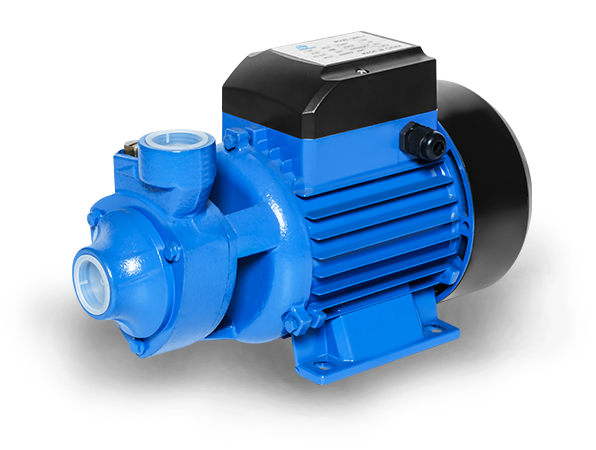
When we think about infrastructure, we often picture bridges, highways, and power plants. Rarely do we consider the systems that quietly move water beneath cities, across farmland, and through industrial facilities. Behind these systems stands the Industrial Water Pump Factory, a place where engineering meets practical necessity. Though rarely visible to the public, its influence extends into almost every sector of modern life.
The Core of Water Movement
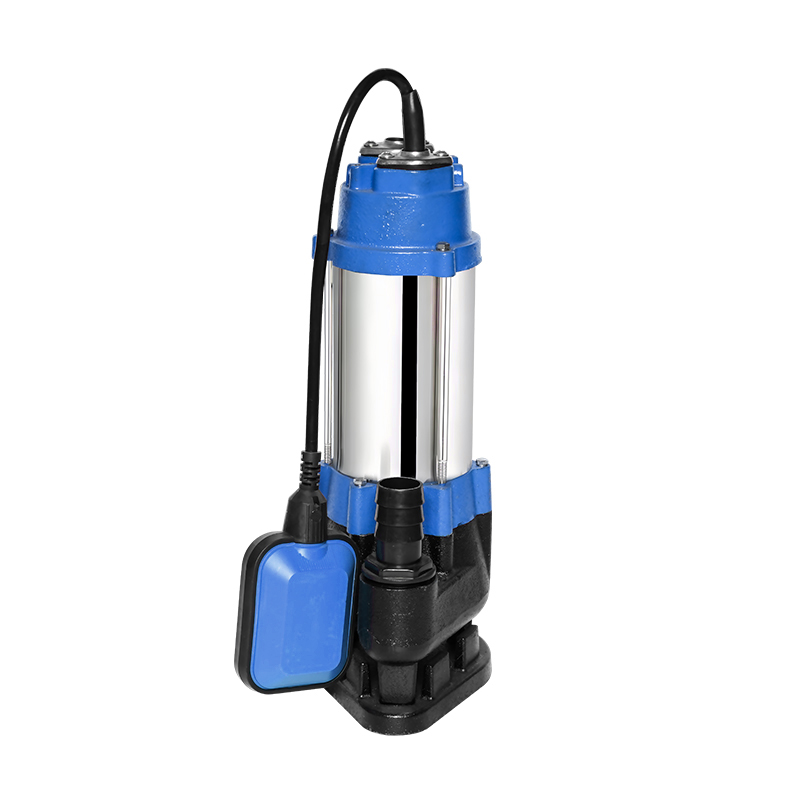
Water needs to be transported, pressurized, and controlled in countless applications. An Industrial Water Pump Factory designs and manufactures pumps that handle these tasks in municipal water supply systems, wastewater treatment plants, and large-scale irrigation networks.
Each pump must meet specific requirements—flow rate, pressure capacity, material compatibility, and durability. Within the Industrial Water Pump Factory, engineers test components under various conditions to ensure they can withstand continuous operation. This attention to detail determines whether water flows reliably in hospitals, factories, and residential buildings.
Supporting Urban Infrastructure
Cities rely on consistent water pressure for daily operations. High-rise buildings, underground pipelines, and fire protection systems all depend on industrial-grade pumps. An Industrial Water Pump Factory produces equipment tailored to these demands, often customizing pump sizes and motor capacities to match project specifications.
In wastewater management, pumps must handle not just clean water but also sludge and debris. Factories develop corrosion-resistant materials and sealed motor systems to address these challenges. Without such specialized production, urban sanitation systems would struggle to function effectively.
Enabling Agricultural Productivity
Agriculture is another field closely connected to the Industrial Water Pump Factory. Large irrigation systems require pumps capable of moving substantial volumes of water across fields and uneven terrain. Farmers depend on reliable pump performance to maintain crop health during dry seasons.
Factories that focus on industrial water pumps often create models suitable for both surface and deep-well applications. By offering diverse pump configurations, they help support sustainable farming practices and consistent food production.
Industrial Applications and Process Control
Beyond cities and farms, industrial facilities depend heavily on water circulation. Cooling systems, chemical processing, and manufacturing lines all require controlled water flow. An Industrial Water Pump Factory supplies pumps designed to operate in demanding environments, sometimes involving high temperatures or corrosive liquids.
These pumps must maintain stable performance over long periods. Any disruption can affect entire production lines. Therefore, precision manufacturing and quality testing within the factory play a significant role in preventing downtime and ensuring operational continuity.
Embracing Energy Efficiency
Energy consumption is a growing concern across industries. Modern Industrial Water Pump Factory operations increasingly focus on producing energy-efficient designs. By refining impeller shapes and motor performance, factories can reduce electricity usage without compromising output.
Variable frequency drives are often integrated into pump systems, allowing operators to adjust speed according to real-time demand. This flexibility helps reduce unnecessary energy consumption and supports more sustainable water management practices.
Balancing Innovation and Reliability
Innovation in pump technology does not mean abandoning proven designs. An Industrial Water Pump Factory typically balances traditional engineering principles with gradual technological improvements. Digital monitoring systems, for example, can be integrated into pumps to track performance and detect potential maintenance issues early.
At the same time, robust mechanical construction remains essential. Pumps are often required to operate continuously in challenging environments. Reliability and durability remain priorities throughout the design and manufacturing process.
A Quiet Force Behind Progress
Though rarely discussed outside technical circles, the Industrial Water Pump Factory plays a fundamental role in shaping infrastructure, agriculture, and industrial growth. By producing equipment that ensures water flows where it is needed, these factories contribute to public health, economic development, and environmental management.
In many ways, they are the unseen backbone of modern civilization. Without efficient pump systems, cities would struggle, industries would stall, and farmland would dry. The Industrial Water Pump Factory may operate behind closed doors, but its impact is felt in every drop of water that reaches its destination.

Leave A Comment
Recommend Products


Copyright © Caifu Pump Industry Co., Ltd.

High Pressure Water Pump Manufacturer