

 ENG
ENG  русский
 Español
 عربى
عربىHow Does an Agricultural Water Pump Factory Ensure Reliable Production?
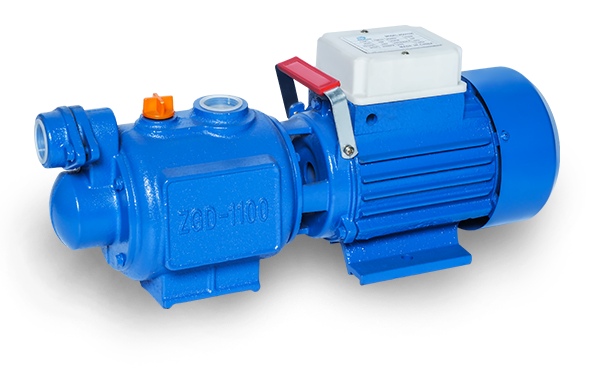
Water pumps play a vital role in modern agriculture, helping farmers irrigate fields, supply water to livestock, and manage drainage systems. At the heart of each functional pump is the careful design and production process carried out in an Agricultural Water Pump Factory. These factories combine materials, engineering, and assembly processes to produce pumps that are durable, efficient, and suited for various farming needs.
Raw Materials and Component Selection
The manufacturing of agricultural water pumps begins with selecting quality raw materials. Pump casings are typically made from cast iron, stainless steel, or corrosion-resistant alloys to handle water flow and environmental exposure. Impellers, shafts, and seals are also chosen for strength, wear resistance, and longevity.
Electrical components or engine parts must meet performance and safety standards. By carefully selecting materials, a factory ensures that each pump can operate reliably under different pressures, temperatures, and water qualities.
Design and Engineering
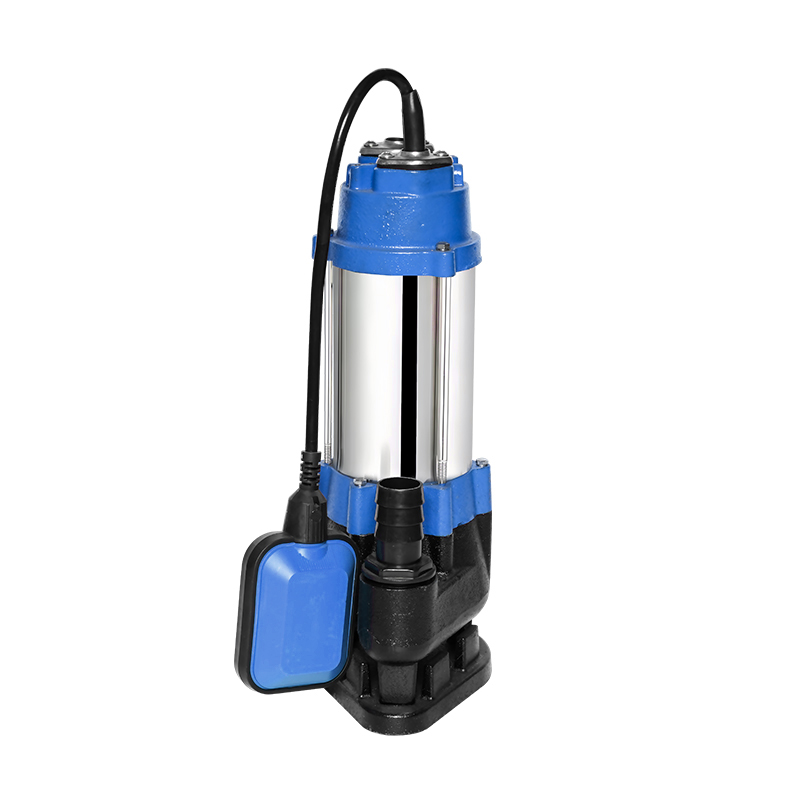
Before production, engineers in an Agricultural Water Pump Factory design the pumps according to required flow rates, head pressure, and power sources. The design process includes computational modeling and testing of fluid dynamics to optimize efficiency. Factories may produce centrifugal pumps, submersible pumps, or diesel-driven pumps depending on customer needs.
Attention to design details, such as seal placement, impeller clearance, and bearing selection, affects the pump's efficiency and durability. Accurate engineering also simplifies assembly and reduces maintenance issues.
Production and Assembly
The assembly process in an Agricultural Water Pump Factory is structured to maintain quality and precision. Typical steps include:
- Casting and Machining – Pump bodies, impellers, and other metal components are cast or machined to exact dimensions.
- Component Assembly – Bearings, seals, shafts, and impellers are carefully installed. Alignment and balance are verified to reduce vibration and wear.
- Engine or Motor Integration – Pumps powered by motors or engines are assembled with electrical wiring or fuel systems installed.
- Sealing and Lubrication – Proper sealing and lubrication are applied to enhance durability and reduce friction.
- Some factories use semi-automated machinery for machining and testing, while skilled technicians handle precision assembly and adjustments.
Quality Control and Testing
Quality control is essential in a water pump factory. Each pump is inspected for dimensional accuracy, material defects, and mechanical alignment. Performance tests measure flow rate, pressure, vibration, and noise under operational conditions. Pumps may also be tested for leak resistance and endurance to ensure reliability in field conditions.
These checks guarantee that pumps leaving the factory perform consistently and safely for agricultural applications.
Customization and Market Adaptation
Agricultural water pumps must meet diverse client requirements. An Agricultural Water Pump Factory may offer customization in flow capacity, pump type, power source, or material grade. This flexibility allows farmers to choose pumps suited to their specific irrigation system, field size, or water source.
Maintenance and Factory Practices
Factories often provide guidance on maintenance to prolong pump life. Routine inspections, lubrication schedules, and cleaning recommendations help users maintain performance. A well-managed factory maintains organized production lines, clear assembly documentation, and efficient inventory management to ensure consistency across batches.
An Agricultural Water Pump Factory plays a crucial role in supplying reliable irrigation and water management solutions. By combining quality materials, precise engineering, and structured assembly processes, these factories produce pumps capable of withstanding diverse farming conditions. Understanding the manufacturing process highlights the attention to detail required to deliver durable, efficient, and dependable agricultural water pumps for farmers worldwide.

Leave A Comment
Recommend Products


Copyright © Caifu Pump Industry Co., Ltd.

High Pressure Water Pump Manufacturer