

 ENG
ENG  русский
 Español
 عربى
عربىHow Do You Choose an Agricultural Water Pump for Different Irrigation Needs
An irrigation pump that struggles to keep up with a field is rarely dealing with just one variable. The water source, the irrigation method, the pipe layout, and the daily watering schedule can all shift from one farm to the next, even when two properties appear to be running a similar setup on paper.
This is why a pump can work well on one farm and fall short on another, despite both using what looks like the same irrigation method and a similar field size.
The shortfall may be related to the water source, the pump type, the pressure demands of the irrigation equipment, the pipe network, or how the farm actually operates day to day. In some cases, the pump itself is not the only part that needs attention. The surrounding pipework and the power supply can also play a role in whether a system delivers water as expected.
Understanding why a pump underperforms is therefore more useful than simply swapping in a larger unit and hoping the problem goes away.
Why Does the Same Pump Perform Differently on Different Farms?
The basic reason is straightforward: water needs to travel a certain distance, rise a certain height, and reach the irrigation equipment at a workable pressure. When any of those three conditions is underestimated, the pump can appear underpowered even if its rated output looks reasonable on a spec sheet.
A pond with a short, flat pipe run has very different demands from a borehole feeding a sprinkler line that climbs uphill for several hundred meters. A pump that handles the first scenario without difficulty may fall well short in the second, even if both fields are a similar size.
The result can follow a pattern:
- The water source and pipe layout are not fully assessed before purchase.
- A pump is selected based mainly on motor power or field size.
- The system is installed and runs acceptably at first.
- Seasonal changes, elevation, or added irrigation zones increase the demand.
- The pump struggles to maintain pressure or flow across the full system.
- Operating hours increase to compensate.
- The gap between expected and actual performance becomes noticeable.
This is why irrigation pump selection is better treated as a system question rather than a single product decision.
Is the Water Source Different From What the Pump Was Originally Suited For?
The first factor worth checking is where the water actually comes from, and whether that has changed since the pump was first chosen.
A pump suited to a pond or canal does not automatically suit a deep well, and the reverse is also true. Surface water and groundwater behave differently, and the pump needs to match the conditions at the source rather than a general description of "farm water."
These two source types are difficult to compare directly because the way water reaches the pump is fundamentally different.
A surface pump relies on suction and needs the water level within reach. A submersible pump sits below the surface and pushes water upward instead. A pump designed around one of these conditions will not necessarily perform the same way under the other.
This means that looking only at the pump's rated flow does not always give a complete picture of whether it suits the source.
How Do Different Water Sources Affect Pump Choice?
| Water Source | Typical Pump Consideration |
|---|---|
| Open pond or canal | Surface pump may work if suction depth is within range |
| River with variable level | Intake position needs to account for seasonal changes |
| Shallow well | May suit a jet pump or similar surface arrangement |
| Deep well or borehole | Submersible pump generally fits better |
| Storage tank | Elevation difference and transfer distance matter most |
| Water with sediment or debris | Filtration and intake design need attention |
If the water source has changed since the pump was originally selected, say a well that has drawn down over the years, or a pond that now sees seasonal shortages, the original equipment may no longer match current conditions.
Could the Irrigation Method Be Asking for More Than the Pump Can Deliver?
The impeller and motor are not the only parts worth reviewing. The irrigation method itself places its own demands on the system.
Different irrigation methods are built around different combinations of pressure and flow. Some depend on steady, moderate pressure delivered through many small outlets. Others move a larger volume of water with far less concern for pressure at all.
A pump that moves plenty of water at low pressure may struggle in a sprinkler system that needs that same water delivered at a specific pressure through a narrow nozzle.
The number of zones running at the same time matters too. A drip system with several zones open together asks for more sustained flow than the same system running one zone at a time.
What Should You Check for Each Irrigation Method?
When reviewing a pump against the irrigation method in use, consider:
- Whether the system depends on steady pressure or simply moving volume
- How many zones or outlets run at the same time
- Whether pressure regulators or control valves are part of the setup
- How far water travels before reaching the first outlet
- Whether elevation changes across the field
- Whether the irrigation layout has expanded since the pump was installed
A pump that was adequate for the original layout may fall behind once more zones, longer lines, or additional equipment are added to the same system.
Is Motor Power Hiding the Real Flow and Head Requirements?
Motor power is the number most buyers look at first, mainly because it is the easiest figure to compare across brands. On its own, though, it does not say much about whether a pump can meet an irrigation system's actual needs.
Two other figures carry more weight: flow rate and total head.
How Much Water Does the System Actually Need?
Flow rate describes how much water the system moves over a given period, usually in liters per minute, cubic meters per hour, or gallons per minute. What a farm needs depends on the crop, the irrigated area, and how many zones are active at once.
A farm that waters in rotating sections rather than all at once does not need to supply the entire field simultaneously, so demand should be calculated against whichever sections are running during a given period, not the total field area.
How Far and How High Does the Water Actually Travel?
Total head covers more than vertical lift. It also includes the pressure the irrigation equipment needs and the resistance created by pipes, bends, valves, and filters along the way.
A long pipeline can create meaningful friction loss even across flat ground. A pump that looks sufficient based on vertical distance alone may still fall short once that resistance is factored in.
It helps to check the manufacturer's performance curve rather than a single advertised figure. Maximum flow and maximum head usually sit at opposite ends of that curve, so a pump rarely delivers both figures at the same time.
Could the Pump Type Itself Be Mismatched to the Application?
Once the water source and delivery requirements are clear, it becomes easier to see whether the pump type fits the job. Each design has its own operating characteristics, and suitability depends on the installation rather than the name printed on the unit.
Which Pump Type Tends to Fit Which Situation?
| Pump Type | Where It Tends to Fit | What to Verify |
|---|---|---|
| Centrifugal pump | Surface water transfer, general irrigation | Suction conditions, flow, head, priming |
| Self-priming pump | Select surface water setups | Priming process, suction arrangement |
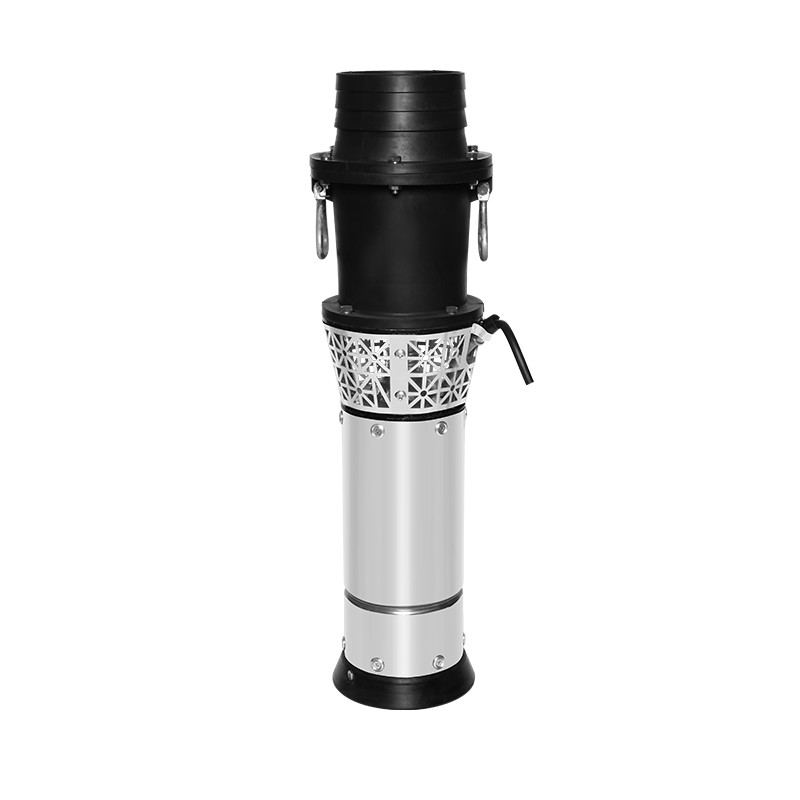
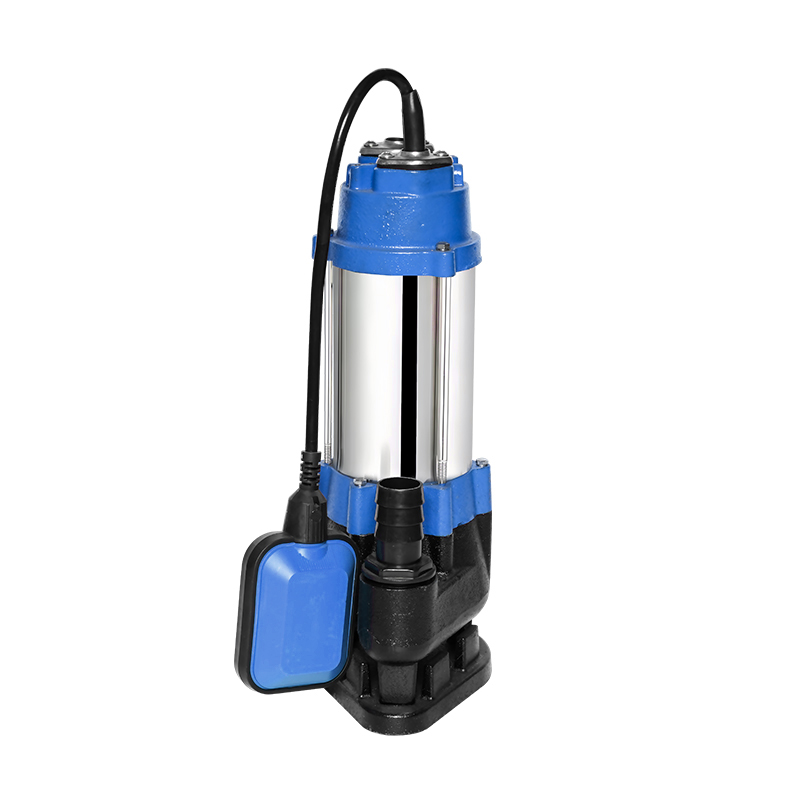
| Submersible pump | Wells and submerged installations | Water level, well dimensions, cooling conditions |
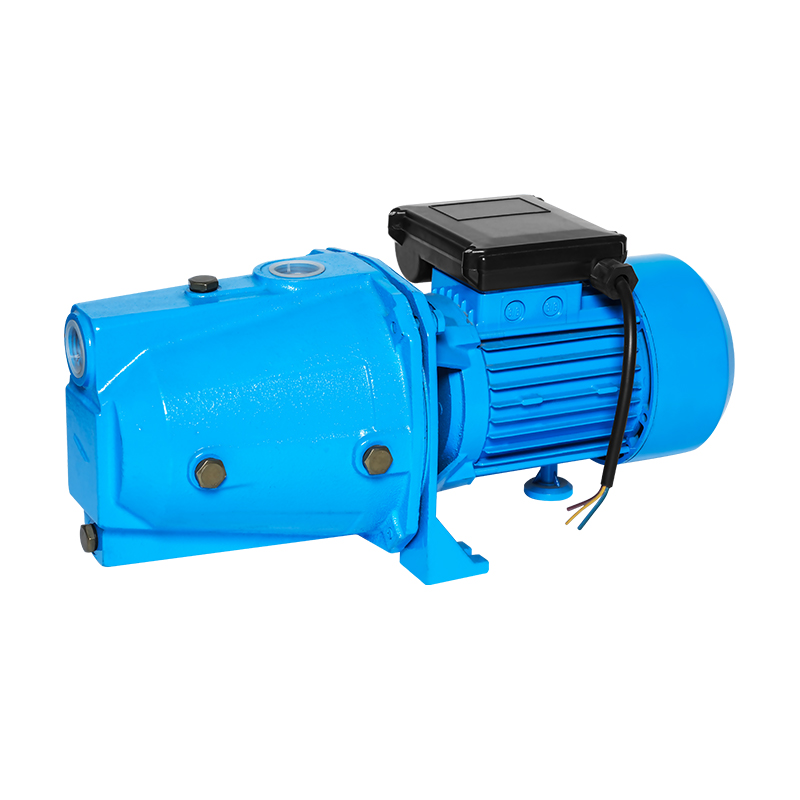
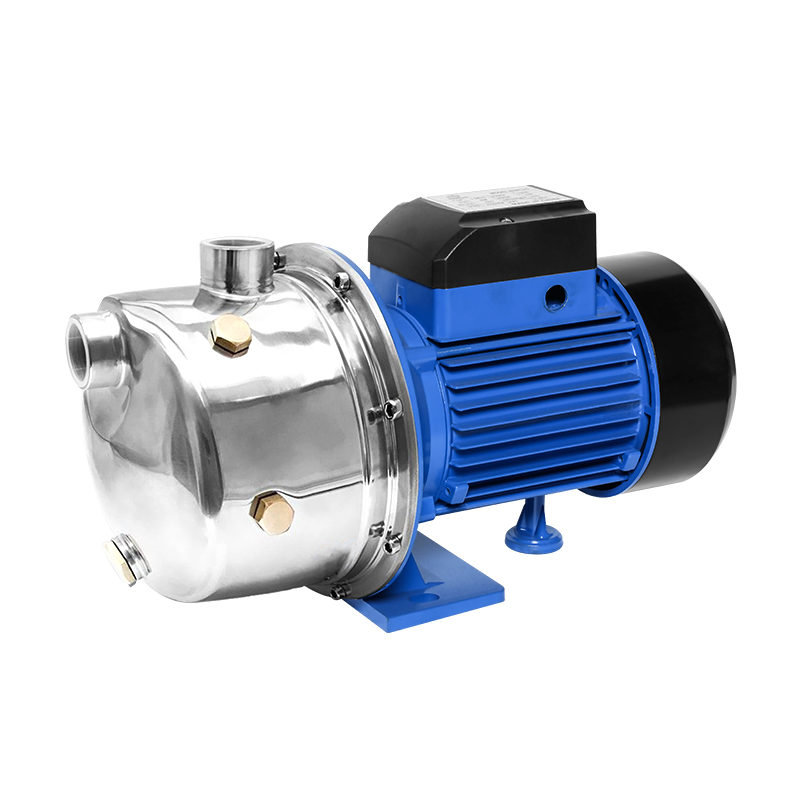
| Jet pump | Certain shallow well applications | Source depth, suction requirements |
| Multistage pump | Applications needing extra delivery head | Required pressure, flow, system resistance |
A pump that performs well in one of these roles will not necessarily transfer that performance to a different installation. The surrounding system still needs to match the equipment.
Is Water Quality Changing How the Pump Performs Over Time?
Water condition deserves its own look, separate from flow and head. Open sources can carry sand, algae, leaves, or other debris, especially after rainfall, while groundwater can carry sediment of its own.
A pump suited to relatively clean water does not necessarily hold up well against sediment-heavy water over time. Components can wear faster, and performance can decline gradually rather than failing all at once.
Watch for:
- Debris or sediment collecting around the intake
- Filters that need clearing more often than before
- A gradual drop in flow that was not present when the pump was new
- Changes in water appearance at certain times of year
- Unusual wear found during routine maintenance
If any of these show up repeatedly, the water source itself may be contributing to the equipment's declining performance rather than the pump alone being at fault.
Could the Power Source Be Limiting What the System Can Do?
The available power supply often decides which pumping arrangement is realistic in the first place, and it can also quietly cap a system's performance.
Electric pumps work well where a stable, compatible power supply already exists. Engine-driven pumps come into play where grid electricity is not available or where a project needs a different kind of operating arrangement. Solar pumping fits farms with reasonable sun exposure and limited access to conventional power, though the panels, controller, and storage all need to be sized to match actual daily demand.
A pump undersized relative to its power source, or a power source undersized relative to the pump, will show up as inconsistent performance regardless of how well the pump itself was built.
Questions worth asking:
- Does the power supply stay consistent throughout the day?
- Has the irrigation system grown since the power source was sized?
- Does performance drop at certain times, such as low sunlight hours for solar setups?
- Is the motor rated appropriately for the installed power supply?
Are You Comparing the Full Cost, or Just the Purchase Price?
Purchase price is only one part of what a pump actually costs over its working life. Energy use, maintenance, spare parts, installation work, and downtime all factor into the real total.
A pump that does not match the system's actual requirements often ends up running longer than it should, or simply fails to deliver the expected water volume. An oversized unit bought "to be safe" can add unnecessary equipment and operating cost without solving the underlying mismatch.
What Should a Fair Comparison Include?
| Comparison Point | Why It Matters |
|---|---|
| Required flow and head | Confirms the pump actually fits the application |
| Power source compatibility | Avoids a mismatch between pump and available power |
| Routine maintenance needs | Affects ongoing labor and downtime |
| Spare parts availability | Determines how quickly a failure can be resolved |
| Additional equipment needed | Filters, valves, and controls add to the real cost |
Looking at the full arrangement rather than the pump price alone tends to give a more accurate sense of what the equipment will actually cost to run.
What Information Should You Discuss With a Pump Manufacturer?
A manufacturer needs more than a general request for "an irrigation pump" to assess an application properly. The clearer the project details, the easier it is to narrow down suitable models for review.
Before requesting a quote, it helps to prepare the following:
- Water source, including pond, river, well, borehole, or storage tank
- Irrigation method, such as drip, sprinkler, or flood irrigation
- Required flow and expected operating schedule
- Estimated total head, including elevation and pipeline losses
- Water quality and any known sediment concerns
- Available power supply and installation conditions
- Expected usage frequency and seasonal demand
- Purchase quantity, intended market, and documentation needs
- Any customization or application-specific requirements
If exact flow or head numbers are not available yet, explaining what information is on hand and asking what else is needed is a reasonable starting point. For more complex installations, having an irrigation specialist or pump engineer verify the calculations is often worth the time.
This kind of detail is particularly relevant when discussing an Agricultural Water Pump for a farm with a mixed irrigation layout, since drip zones, sprinkler lines, and flood sections can each place different demands on the same source and the same pump.
What Does an Underperforming Pump Tell You About the System?
An irrigation pump that falls short of expectations is usually providing useful information rather than simply being faulty.
It points toward a mismatch somewhere between the water source, the irrigation method, the pipe network, the power supply, or the way the farm's demand has changed since the equipment was first chosen. A pump that handled the original layout without issue is not automatically wrong for the current one; the application itself may have shifted.
The more useful troubleshooting question is not only "Which pump has more power?" It is "Where exactly is the gap between what this system needs and what the current pump can deliver?"
Once the water source, irrigation method, flow and head requirements, pump type, and power supply are reviewed together, it becomes much easier to identify where the mismatch sits and to make a more informed decision about replacement or adjustment.
A pump that struggles to keep up is often telling you something about the system around it, not just about the equipment itself.
For Zobon Pump, understanding how a farm's water source, irrigation method, and daily demand actually work together gives both sides a practical starting point for the conversation. Confirming these details with the manufacturer before placing an order helps make sure the equipment that arrives actually matches the job it needs to do.

Leave A Comment
Recommend Products


Copyright © Caifu Pump Industry Co., Ltd.

High Pressure Water Pump Manufacturer