

 ENG
 русский
 Español
 عربى
How Do High Volume Water Pumps Industrial Support Large-Scale Construction Dewatering
Water is not always welcome on a construction site. After a night of heavy rain, a foundation pit may be filled with water. During excavation, groundwater can slowly seep through the soil and collect at the bottom of a trench. On projects near rivers or areas with a high water table, keeping the work area reasonably dry can become a daily task.
For contractors, this is more than a drainage issue. Water can affect soil conditions, delay foundation work, make equipment movement difficult, and interrupt activities that depend on a stable working surface. When a project covers a large area, removing water with a small temporary setup may not be enough.
This is where High Volume Water Pumps Industrial come into consideration. They are used in pumping arrangements designed to move substantial amounts of water from excavation areas, temporary collection pits, and other parts of a construction site. The right setup depends on where the water comes from, how it needs to be discharged, and what the pump will encounter during operation.
Construction Dewatering Is More Than Removing Rainwater
Rain is an obvious source of water, but it is rarely the only one contractors need to consider.
Once excavation begins, the natural movement of groundwater can change. Digging below the groundwater level may allow water to enter through the exposed soil. Even when the weather is dry, water can continue flowing into the excavation. This is particularly relevant to basement construction, underground parking facilities, utility tunnels, and deep foundation work.
Surface runoff creates another problem. Water from nearby roads, slopes, or unfinished sections of a site may flow toward lower ground. If temporary drainage channels are poorly arranged, it can accumulate around machinery or enter areas where workers are carrying out installation work.
The situation often changes as construction progresses. An excavation that remains relatively dry during one stage may require more frequent pumping after the ground is opened further.
For this reason, dewatering should be considered during site preparation rather than treated as something to deal with after water has already accumulated.
Where Are Large-Capacity Water Pumps Used on Construction Projects?
Different construction activities bring different drainage challenges. The location of the water, its condition, and the way it enters the site all influence the pumping arrangement.
Foundation Pits and Basement Excavation
Deep foundation work is one of the common situations where contractors need a planned drainage system.
Water collecting at the bottom of an excavation can interfere with ground preparation, reinforcement installation, and concrete work. If the surrounding soil becomes saturated, site conditions may also become more difficult to manage.
Contractors often arrange collection points at suitable low areas so that accumulated water can be pumped out. On a large project, several collection points may be needed because water does not always flow naturally toward a single location.
The pump itself is only one part of this arrangement. The position of the collection pit, inlet conditions, and discharge pipeline all affect how effectively water can be removed.
Underground Pipe and Utility Installation
Water management is also important when installing underground drainage pipes, water supply lines, cables, and other utilities.
A trench may look relatively small compared with a foundation pit, but water entering along its length can make installation difficult. Muddy conditions may affect pipe positioning and create additional cleaning work before the next construction stage.
For longer trenches, contractors may need to move pumping equipment as work progresses or arrange multiple drainage points. A practical setup should allow operators to access the equipment without interfering with excavation and material transportation.
Road Construction and Site Development
Road building and land development projects can involve extensive areas of exposed soil. Rainwater may collect in low sections, while groundwater can affect certain excavation and earthwork activities.
In these situations, temporary drainage channels can direct water toward collection areas. Pumps then transfer it to an approved discharge point or temporary storage facility.
The layout needs to account for changes in the working area. As roads, drainage structures, and foundations take shape, the original water collection route may need to be adjusted.
What Should You Consider Before Choosing a Pump?
A pump described as high capacity is not automatically suitable for every construction drainage project. Two sites may need to remove similar amounts of water but have very different pumping conditions.
For example, one project may be dealing with relatively clean rainwater, while another needs to handle groundwater mixed with sand and soil. The discharge arrangements may also differ considerably.
Before discussing a model with a manufacturer, it helps to look at the following details.
How Much Water Needs to Be Removed?
The expected water inflow gives contractors a starting point for estimating pumping demand.
A site affected mainly by rainfall may experience changes according to the weather. A project with continuous groundwater seepage can have a more persistent drainage requirement.
It is also worth considering whether several areas need to be drained at the same time. The total amount of water entering a project does not necessarily mean that all of it needs to pass through one pump.
How Far Does the Water Need to Travel?
The discharge route can make a noticeable difference to pump operation.
Water may need to travel from a deep excavation to ground level, pass through temporary pipelines, or reach a drainage channel some distance away. Changes in elevation, pipe length, bends, valves, and other restrictions contribute to the resistance within the system.
This is why a pump should not be selected by looking at its flow capacity in isolation. The expected flow and pumping head need to be considered together.
A pipeline that is too restrictive can also affect the amount of water delivered, even when the pump itself is operating normally.
Is the Water Clean or Does It Contain Debris?
Construction water can contain more than soil and rainwater. Depending on the location and activity, it may include sand, silt, small stones, and other suspended materials.
These details matter because different pump designs are intended for different types of water. A pump suitable for relatively clean water may not be appropriate for wastewater containing solid particles.
When contacting a supplier, buyers should describe the water as accurately as possible. If the amount of sediment changes during the project, that should also be mentioned.
Which Pump Types May Be Used for Construction Dewatering?
There is no single pump type that covers every construction drainage task. The following categories are commonly considered for different water transfer applications, although the final choice depends on the manufacturer's actual product design.
| Pump Category | Potential Application | What Buyers Should Check |
|---|---|---|
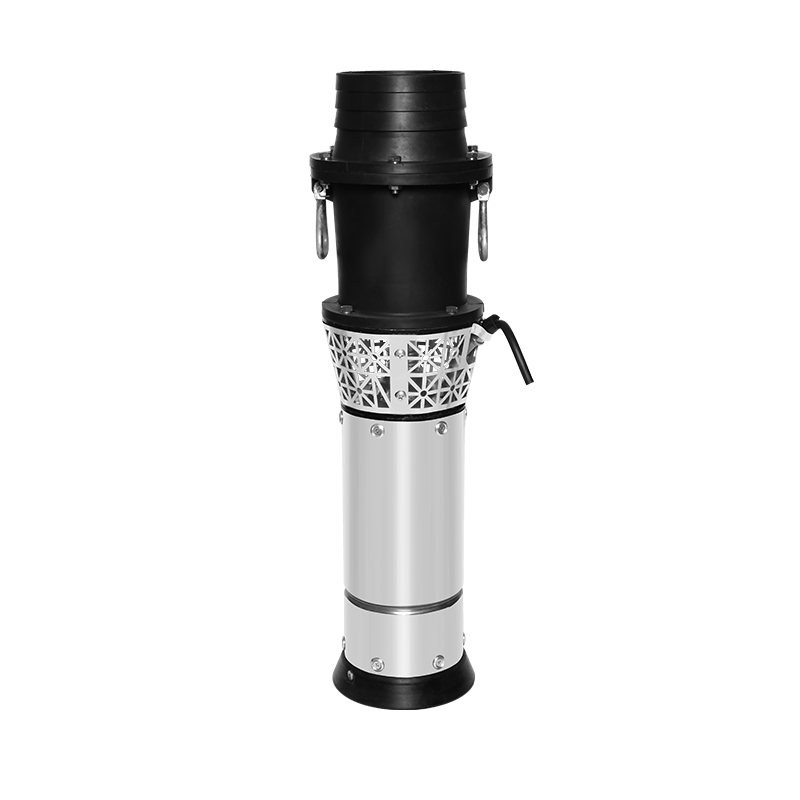
| Submersible water pumps | Removing accumulated water from pits and excavations | Water quality, installation depth, and discharge conditions |
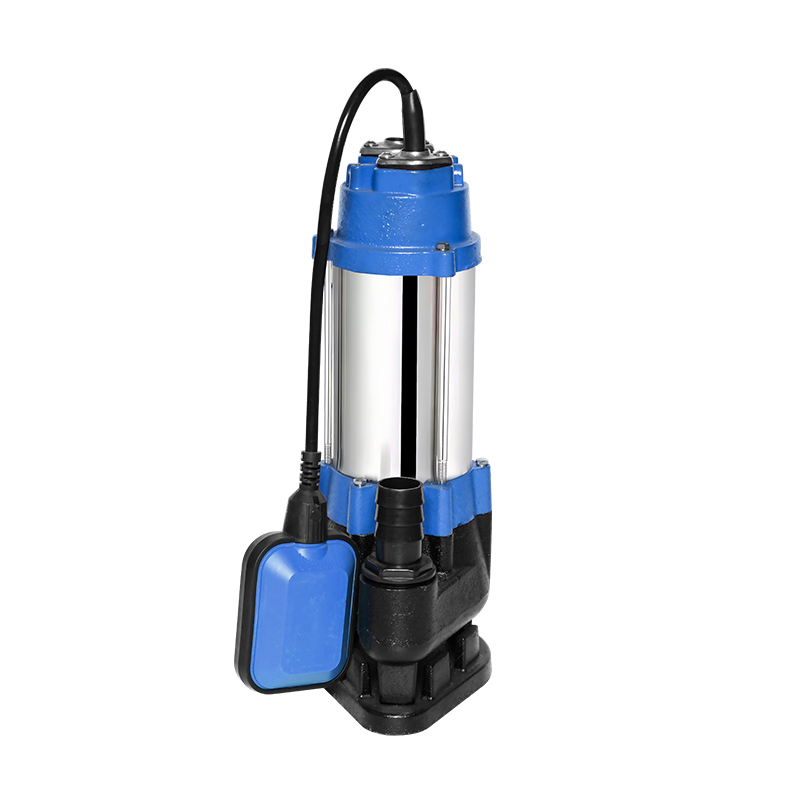
| Submersible sewage pumps | Transferring wastewater containing suitable solid particles | Solid particle characteristics and pump passage design |
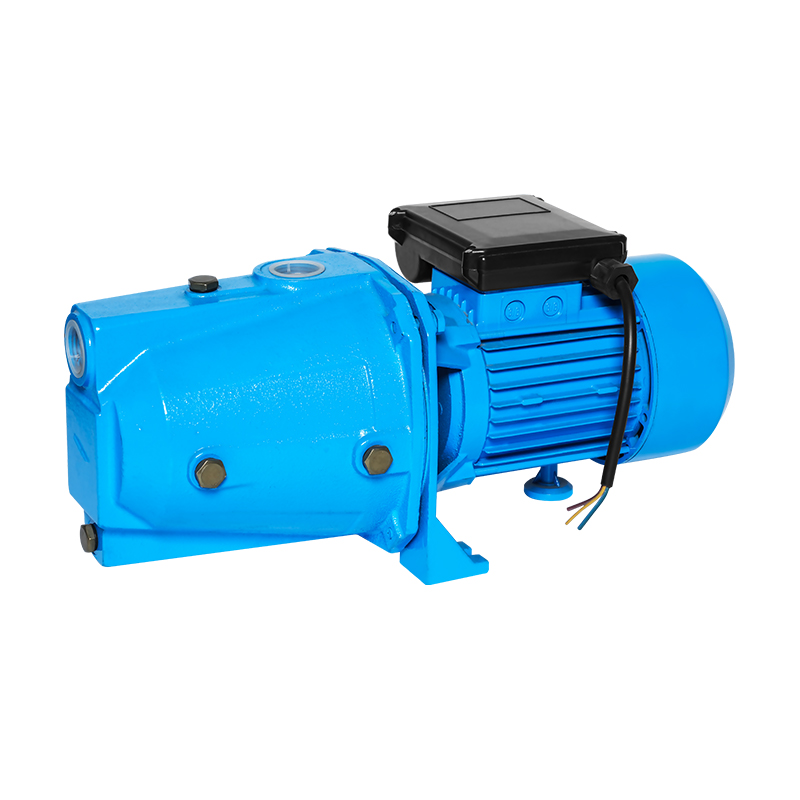
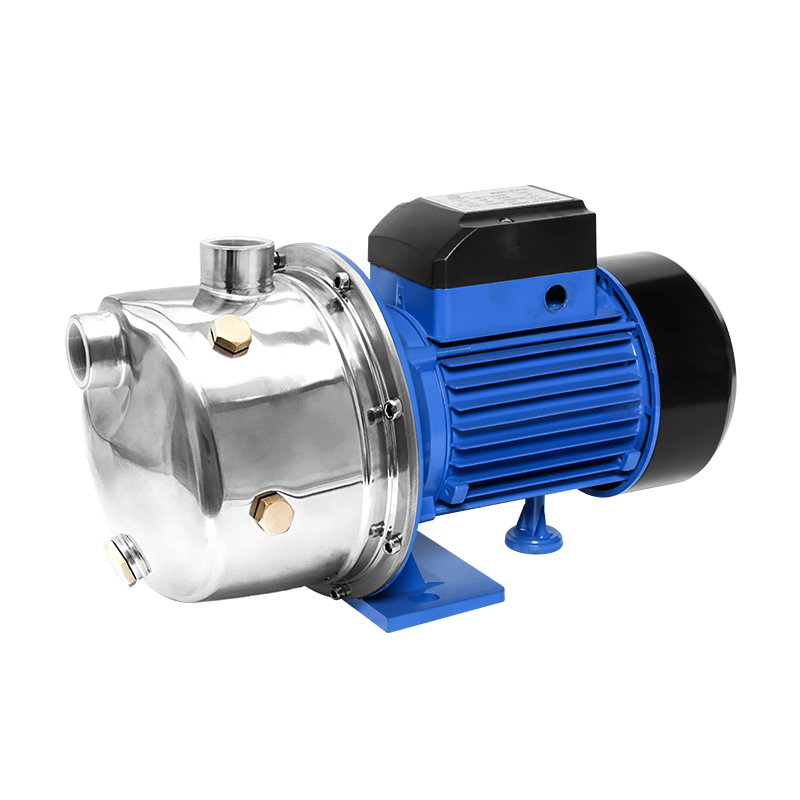
| Centrifugal pumps | General water transfer and temporary drainage arrangements | Flow demand, pumping head, and pipeline resistance |
| Self-priming pumps | Certain surface water transfer applications | Suction conditions and installation position |
| Deep well submersible pumps | Extracting groundwater from suitable wells | Well structure, water level, and operating requirements |
The distinction is important. A deep well pump, for instance, is generally selected for groundwater extraction from a well, while a submersible drainage pump may be used in a temporary collection pit.
Buyers should therefore match the product to the actual task rather than assume that all industrial water pumps can be used interchangeably.
Why Can a Pump Deliver Less Water Than Expected?
A pump may be running, but the water level in an excavation is not falling as quickly as planned. This does not always mean the pump is faulty.
The problem may be somewhere else in the system.
A discharge hose that is too narrow, a partially closed valve, or a long pipeline with considerable resistance can reduce the actual flow. If the pump inlet is blocked by accumulated debris, water intake may also become restricted.
There are several issues worth checking when pumping performance changes:
- Blocked inlet: Mud, leaves, stones, or other debris may interfere with water entering the pump.
- Pipeline restrictions: Bends, damaged hoses, and partially closed valves can affect water movement.
- Incorrect operating conditions: The actual pumping head may be different from the conditions used during product selection.
- Unsuitable pump type: Water containing solid particles may require a different pump design.
- Equipment wear: Seals, bearings, impellers, and other components may need inspection after extended use.
It is useful to check the complete installation before deciding whether the pump needs repair or replacement. If the cause is related to the discharge layout, changing the pump alone may not solve the problem.
Can One Pump Handle an Entire Large Construction Site?
Not necessarily. On a large project, water may enter several areas at different rates.
A foundation pit, a long utility trench, and a temporary drainage channel do not always share the same water conditions. Their locations may also make it impractical to connect everything to one pumping point.
Some projects use several pumps positioned at different collection areas. Others arrange a main drainage line with smaller collection points feeding into it. The choice depends on the site layout, expected water inflow, available discharge locations, and construction schedule.
Using multiple pumping points can make water collection easier to manage, but it also means more equipment to inspect and maintain. Contractors need to consider access, power supply, pipeline routing, and the possibility of equipment relocation as work moves forward.
The aim is not simply to install more pumps. It is to create a drainage arrangement that fits the way the site operates.
What Happens When Dewatering Equipment Is Not Properly Maintained?
Construction pumps often work in environments where mud, debris, moisture, and frequent movement are part of everyday operation.
A pump may be moved from one excavation area to another, connected to temporary hoses, or exposed to water with changing levels of sediment. These conditions make routine inspection particularly important.
Operators should pay attention to changes in sound, vibration, discharge flow, and motor temperature. The inlet should be checked for obstruction, while pipelines and electrical connections need regular inspection.
Maintenance should follow the manufacturer's instructions and take the actual working environment into account. Before inspection or servicing, the equipment must be isolated from its power supply and handled according to the relevant safety procedures.
For projects that rely on continuous drainage, it is also worth discussing equipment availability and backup arrangements before work begins. Unexpected pump downtime can become a scheduling issue when water continues entering an excavation.
What Information Should You Give a Water Pump Manufacturer?
A manufacturer cannot recommend a suitable product from the project name alone. The more clearly buyers describe the application, the easier it is to discuss a practical solution.
Before requesting a quotation, prepare the following information where available:
| Project Details | Information to Prepare |
|---|---|
| Application | Foundation drainage, trench dewatering, groundwater extraction, or other uses |
| Water source | Rainwater, groundwater, surface runoff, or wastewater |
| Water condition | Clean water, muddy water, or water containing solid particles |
| Pumping requirement | Expected flow and required pumping head |
| Installation | Submerged installation, surface installation, or well installation |
| Discharge arrangement | Pipeline length, elevation difference, and discharge destination |
| Operating schedule | Occasional use or extended operation |
| Project environment | Indoor or outdoor use, available power supply, and installation restrictions |
Photographs of the excavation area and a simple pipeline drawing can also be useful. They give the supplier a clearer picture of the working conditions than a general description alone.
For customized orders, buyers should confirm the product structure, connection arrangement, materials, and other relevant details before production.
Finding a Suitable Pumping Solution for Construction Projects
Large construction projects rarely have identical drainage requirements. Soil conditions, groundwater levels, excavation depth, water quality, and site layout can all change the way pumping equipment needs to operate.
Zobon offers several water pump categories, including submersible pumps, submersible sewage pumps, centrifugal pumps, self-priming pumps, and deep well pumps. These products are intended for different water transfer and drainage applications.
For construction contractors, distributors, and engineering buyers, the useful starting point is to explain the actual pumping task. With information about the water source, discharge route, and installation environment, the Zobon team can help assess which product category may fit the application.
A well-planned dewatering arrangement does not depend on the pump alone. It comes from matching the equipment with the site and making sure the complete system can handle the work expected of it.
Frequently Asked Questions
Are Industrial Water Pumps Suitable for Large Construction Projects?
They can be used in various construction water transfer and drainage applications. The suitable product depends on the required flow, pumping head, water characteristics, and installation arrangement.
Can Submersible Pumps Remove Groundwater From Excavation Areas?
Yes, suitable submersible pumps can be used to remove groundwater collected in excavation pits or temporary sumps. The installation depth, water quality, and discharge conditions should be checked before selection.
Do Construction Dewatering Pumps Need to Run Continuously?
Not every project requires continuous pumping. Some sites need drainage mainly after rainfall, while others experience ongoing groundwater seepage. The expected operating schedule should be considered when selecting the equipment.
What Is the Difference Between a Drainage Pump and a Sewage Pump?
The main difference relates to the water each pump is designed to handle. Drainage pumps are commonly used for suitable water transfer tasks, while sewage pumps are designed for wastewater applications and may accommodate solid particles within their specified limits. Buyers should check the manufacturer's product information before use.
Why Is the Actual Flow Rate Sometimes Lower Than the Rated Flow?
The rated flow is associated with specified operating conditions. In an installed system, pumping head, pipeline resistance, inlet conditions, and water characteristics can affect the actual output. A review of the complete installation can help identify the reason.
Keeping a large construction site free from unwanted water takes planning. Rainfall, groundwater seepage, and surface runoff can all affect excavation work, and the drainage demand may change as the project develops.
High Volume Water Pumps Industrial help move accumulated water away from working areas, but selecting suitable equipment requires more than checking a product description. Contractors need to understand the water source, pumping head, discharge layout, and operating environment.
For buyers sourcing pumps for construction projects, sharing these details with the manufacturer is a sensible way to begin. It helps narrow down the available options and makes it easier to discuss equipment that fits the actual work.

Leave A Comment
Recommend Products


Copyright © Caifu Pump Industry Co., Ltd.

High Pressure Water Pump Manufacturer