

 ENG
ENG  русский
 Español
 عربى
عربىHow Can You Choose an Automatic Self Priming Pump for Agricultural Irrigation
Picking a pump for a field is rarely as simple as grabbing whatever unit is on sale at the local supply store. Soil type, water source, plot size, and even the time of year all play a role in whether a pump keeps crops healthy or leaves a farmer scrambling mid-season. An automatic self priming pump is often the piece of equipment that bridges the gap between unpredictable water sources and the steady supply irrigation actually needs. Below is a practical walk-through of what matters when choosing one, written for people who want straight answers rather than marketing fluff.
What Does "Self Priming" Actually Mean on a Farm
Before comparing models, it helps to understand the mechanism itself. A self priming pump holds a reserve of water inside its casing, which lets it draw air out of the suction line and pull water up without someone manually filling the pipe first. In practical terms, this means a farmer can place the pump above the water source, flip the switch, and walk away rather than priming the line by hand every single time irrigation starts.
For fields that rely on ponds, canals, shallow wells, or seasonal streams, this detail saves a surprising amount of labor across a growing season. Manual priming might not sound like a big deal until it has to happen twice a day during planting or harvest windows when every hour counts.
Why "Automatic" Adds Another Layer of Convenience
The automatic part refers to features like pressure switches, dry-run protection, or float controls that start and stop the pump based on demand rather than requiring someone to stand there and operate it. On a small plot this might just mean fewer trips to the pump house. On a larger operation with multiple irrigation zones, automatic controls reduce the chance of a pump running dry and burning out while nobody is watching.
Matching the Pump to Your Water Source
Not all irrigation water behaves the same way, and that affects which pump design makes sense.
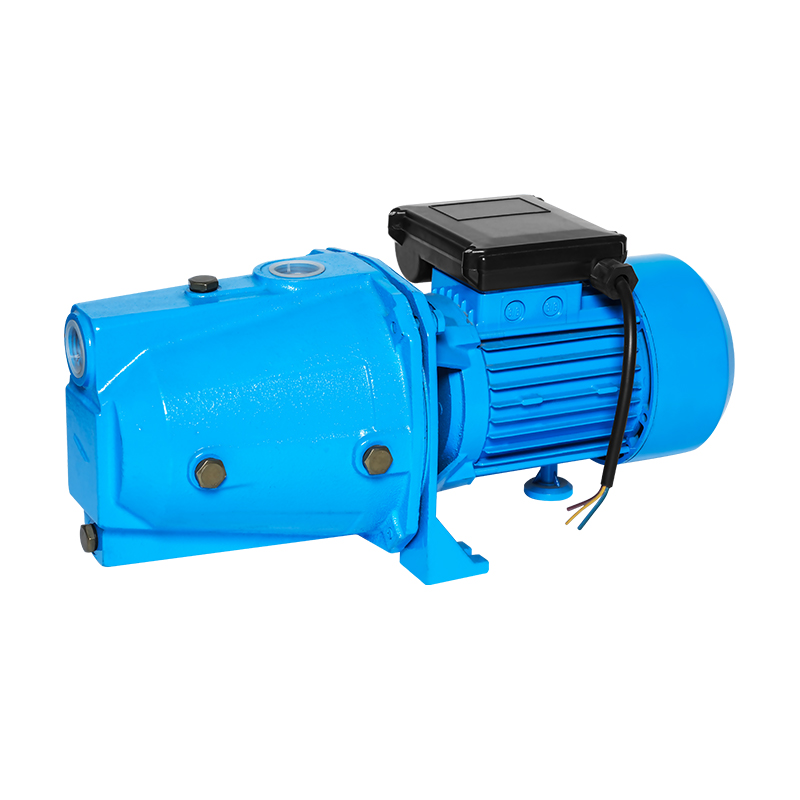
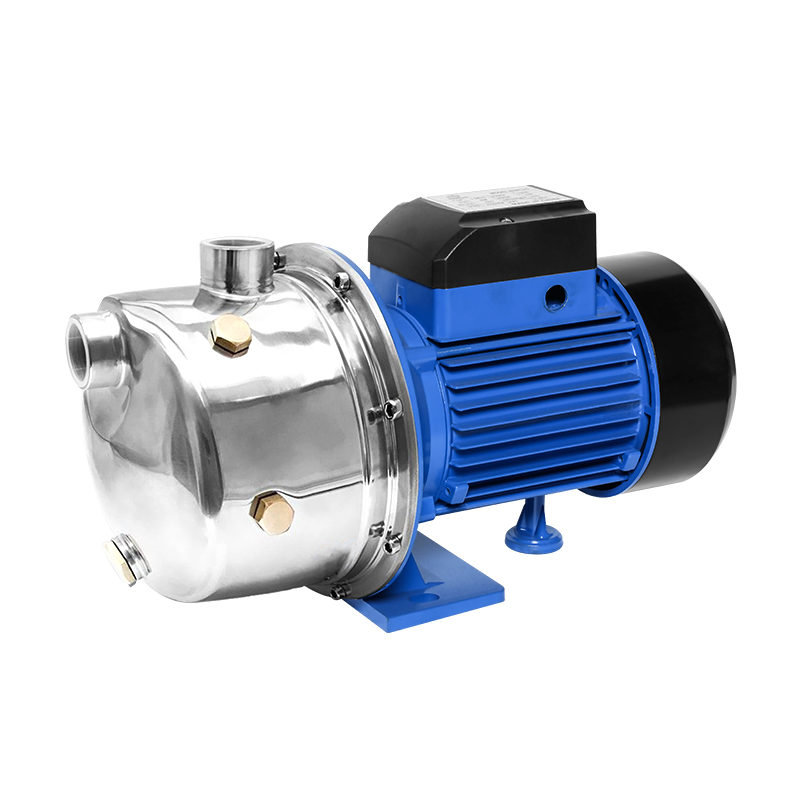
- Clean well or borehole water tends to pair well with jet-type self priming pumps, since there is little risk of debris clogging the impeller.
- Surface water from ponds or canals often carries sediment, algae, or small debris, so a pump with a straightforward design that is easy to flush out becomes useful.
- Shallow water tables close to the surface may not need deep suction capability at all, which opens up lighter and more portable pump options.
- Fluctuating water levels during dry or rainy seasons call for a pump that can handle a reasonable suction range without needing to be repositioned constantly.
A quick way to think about it: the water source dictates the pump family, and the field layout dictates the size and power configuration within that family.
Comparing Common Pump Types Used in Irrigation
| Pump Type | Typical Water Source | Portability | Maintenance Needs |
|---|---|---|---|
| Self-priming jet pump | Wells, boreholes, clean surface water | Moderate | Low to moderate |
| Peripheral pump | Clean water, small-scale plots | High | Low |
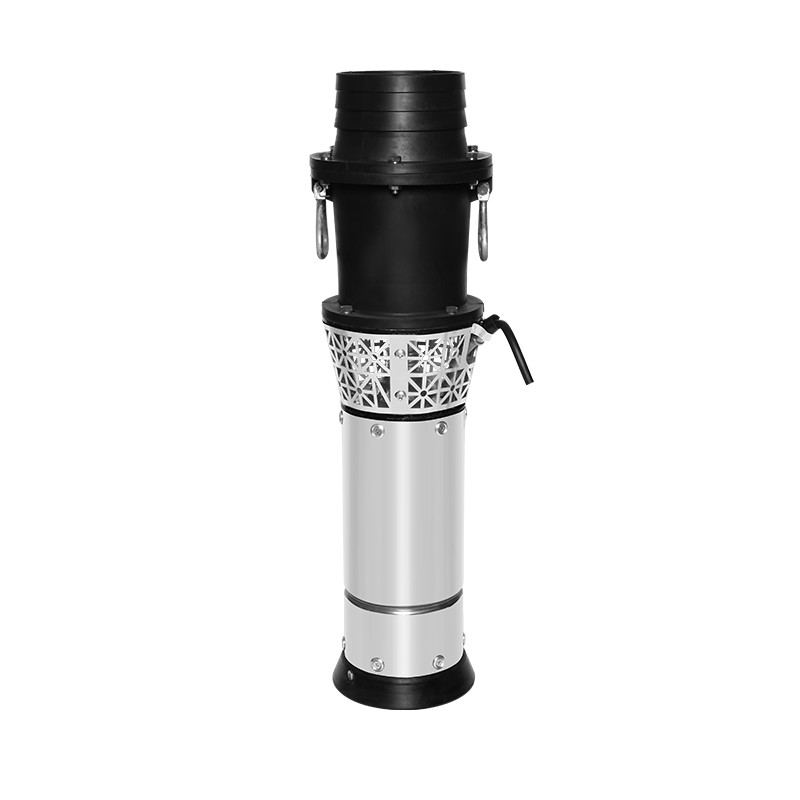
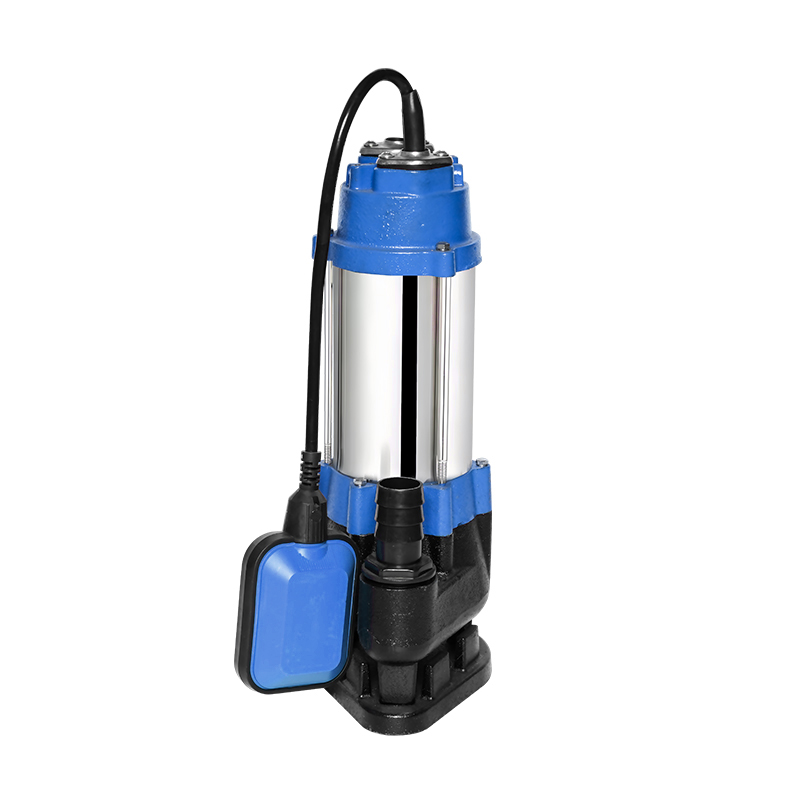
| Submersible pump | Deep wells, boreholes | Low (fixed in place) | Moderate |
| Centrifugal surface pump | Ponds, canals, open channels | Moderate | Moderate |
This is a general reference rather than a strict rulebook, since actual field conditions can shift which option fits better. A farmer with a shallow well and a small vegetable plot has very different needs compared to someone irrigating several hectares of row crops from a canal.
Suction Lift and Pipe Layout Matter More Than People Expect
One mistake that shows up often is focusing only on the pump itself while ignoring the plumbing around it. Suction lift, meaning how far below the pump the water sits, has a direct effect on how well a self priming pump performs. Longer or narrower suction pipes also create resistance that can quietly reduce output even when the pump itself is working fine.
A simple way to avoid this issue is to keep suction pipe runs as short and straight as practical, use fittings that match the pipe diameter without unnecessary reductions, and check for any air leaks at joints, since even a small gap can interfere with priming.
Power Source Compatibility
Electric motors remain common for farms with grid access, but diesel-driven units and solar-compatible pumps are widely used where power supply is inconsistent or unavailable. Solar-ready self priming pumps have become a practical choice for remote plots, since they reduce dependence on fuel deliveries or unreliable electrical lines. The trade-off is that solar setups usually need to be sized with sunlight hours in mind rather than running on demand at any hour.
Common Mistakes Worth Avoiding
A handful of recurring issues tend to show up when farmers select irrigation pumps without a clear plan.
- Oversizing out of caution. A pump that is far larger than the field requires wastes energy and can cause uneven water distribution.
- Ignoring suction lift limits. Every self priming pump has a practical range for how far it can draw water vertically, and exceeding that range leads to weak or inconsistent flow.
- Overlooking pipe diameter mismatches. A pump connected to undersized pipes will rarely perform the way it should, regardless of how capable the unit is.
- Skipping dry-run protection. Without it, a pump left running after the water source drops can suffer internal damage that shortens its working life.
- Choosing based on price alone. The cheapest option sometimes carries hidden costs in the form of frequent repairs or shorter service intervals.
Features Worth Checking Before Placing an Order
When comparing specific models, a short checklist can keep the decision grounded in actual field needs rather than brochure language.
- Does the pump handle the type of water at the source, including any sediment or debris?
- Is the suction lift within a workable range for the pump's placement?
- Does it include automatic controls suited to unattended operation?
- Is the housing material appropriate for outdoor exposure and occasional rough handling?
- Can it be powered by the energy source already available on the farm, whether that is grid electricity, a generator, or solar panels?
- Is replacement part availability reasonable for the region where the farm operates?
Thinking About Long-Term Operating Costs, Not Just the Purchase Price
It is tempting to compare pumps purely on upfront cost, but ongoing expenses tend to tell a fuller story. Energy consumption, maintenance frequency, and the lifespan of wear parts like seals or impellers all factor into what a pump actually costs over several growing seasons. A slightly higher initial investment sometimes pays off through fewer breakdowns during the exact weeks when irrigation cannot afford to stop.
Sizing the Pump to the Field, Not the Other Way Around
Rather than starting with a specific pump model, it generally works better to start with the field itself: how large is the irrigated area, how far is the water source from the furthest point of distribution, and how many hours per day does irrigation need to run during peak demand. These answers narrow down the pump category long before brand or model comes into the conversation.
Farmers managing multiple plots sometimes find it practical to use a portable self priming pump that can be moved between sections rather than installing a fixed unit at every location. This approach trades a bit of setup time for lower overall equipment costs, which can make sense for operations where irrigation needs shift from one plot to another throughout the season.
Choosing an automatic self priming pump for irrigation comes down to a handful of practical questions: what kind of water are you drawing from, how far does it need to travel, what power source is available, and how much hands-on attention can realistically be given during busy periods. Caifu Pump's lineup of agricultural and self-priming pumps, available through the product catalog at zobonpump.com, reflects this range of field conditions, from jet-type units suited to wells and clean water sources to configurations designed for less predictable surface water.
None of this requires memorizing technical specifications ahead of time. A clear picture of the field, the water source, and the daily irrigation routine is usually enough to narrow the options down to a short, workable list. From there, matching those field realities to a pump's suction range, control features, and build quality tends to lead to a setup that holds up through an entire growing season rather than one that needs constant troubleshooting.

Leave A Comment
Recommend Products


Copyright © Caifu Pump Industry Co., Ltd.

High Pressure Water Pump Manufacturer