

 ENG
ENG  русский
 Español
 عربى
عربىHow Can an Agricultural Water Pump Factory Support Modern Farming Needs?
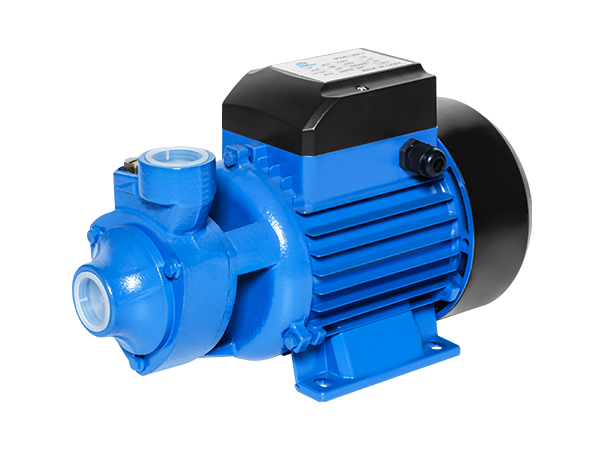
Efficient water management is essential for successful farming. Irrigation systems, drainage, and water supply all rely on reliable equipment. An Agricultural Water Pump Factory provides solutions for these needs by manufacturing pumps specifically designed for farm applications. From small-scale farms to larger agricultural projects, these factories supply equipment that meets various irrigation and water transfer requirements.
What an Agricultural Water Pump Factory Offers
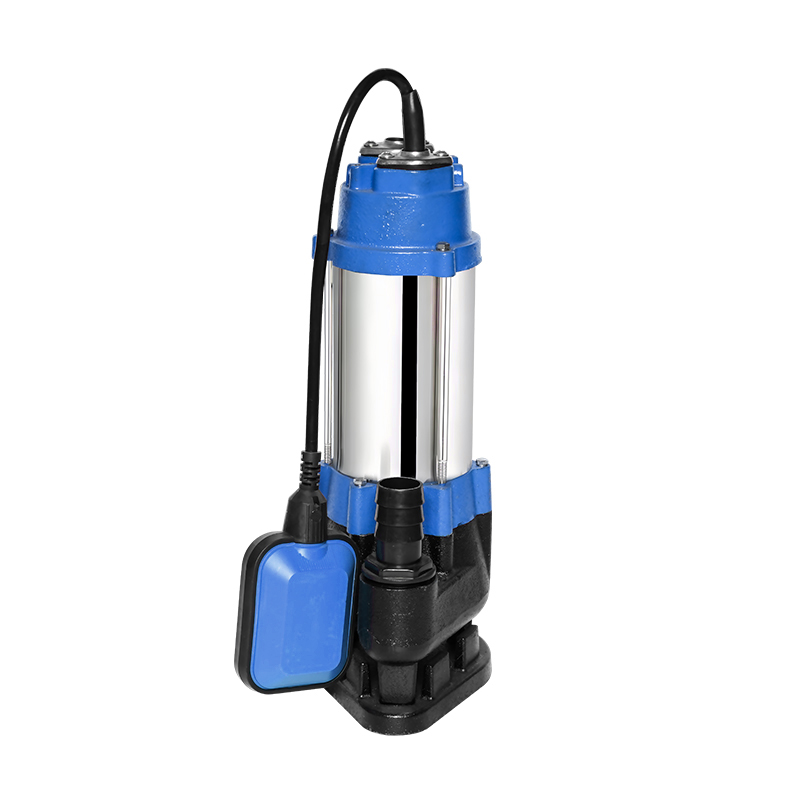
An Agricultural Water Pump Factory produces a wide range of pumps, including centrifugal pumps, submersible pumps, diesel-powered pumps, and electric irrigation pumps. These pumps are designed to handle different water sources such as rivers, wells, and reservoirs. The factory typically provides customization options to suit specific farm layouts, water volumes, and pressure requirements.
Benefits of Choosing a Reliable Factory
a. Product Variety and Compatibility
Factories that specialize in agricultural pumps offer products suitable for different crops, soil types, and field sizes. Choosing an Agricultural Water Pump Factory ensures access to pumps that work efficiently with existing irrigation systems and infrastructure.
b. Durability and Performance
Pumps designed for agriculture must withstand long operating hours, exposure to water and sediment, and variable weather conditions. A reputable Agricultural Water Pump Factory uses durable materials and quality control processes to produce equipment capable of consistent performance over time.
c. Technical Support and Spare Parts
Beyond manufacturing, many factories provide technical guidance, installation support, and spare parts. This service reduces downtime during peak irrigation periods and ensures farmers can maintain their pumps without extensive delays.
d. Adaptation to Energy Sources
Depending on the farm's location, pumps may need to run on electricity, diesel, or solar power. An Agricultural Water Pump Factory can offer models compatible with different energy sources, allowing flexible operation in remote or off-grid areas.
How to Choose a Suitable Factory
a. Assess Product Range
Look for a factory that produces pumps matching your farm's water flow and pressure needs. Availability of different pump types provides more options for future expansion.
b. Check Production Standards
High-quality materials, reliable motor systems, and tested designs indicate a factory's ability to produce durable agricultural pumps.
c. Evaluate Support Services
Prompt technical assistance and ready access to replacement parts are important for maintaining efficient irrigation schedules. A factory that provides these services adds value beyond just supplying pumps.
Applications in Agriculture
An Agricultural Water Pump Factory serves diverse applications:
- Irrigation of crops through drip, sprinkler, or flood systems
- Water transfer from ponds, rivers, or wells to storage tanks
- Livestock watering and aquaculture systems
- Drainage and flood control in low-lying fields
By offering pumps suitable for these tasks, factories help farmers maintain productivity throughout the year.
Maintenance Tips for Long-Term Use
- Regularly clean filters and remove debris from pump inlets.
- Check seals and impellers for wear and tear.
- Ensure correct installation and alignment to prevent vibrations.
Following simple maintenance routines ensures the pumps from an Agricultural Water Pump Factory remain effective for a long time.
An Agricultural Water Pump Factory plays a key role in supporting modern farming by producing durable, versatile, and reliable pumps. These pumps help farmers manage water resources efficiently, maintain crop health, and reduce labor demands. By choosing a factory that provides quality products and support services, farmers can ensure continuous water supply and contribute to sustainable agricultural operations.

Leave A Comment
Recommend Products


Copyright © Caifu Pump Industry Co., Ltd.

High Pressure Water Pump Manufacturer