

 ENG
ENG  русский
 Español
 عربى
عربىAgricultural Water Pump Supporting Smarter Irrigation Practices
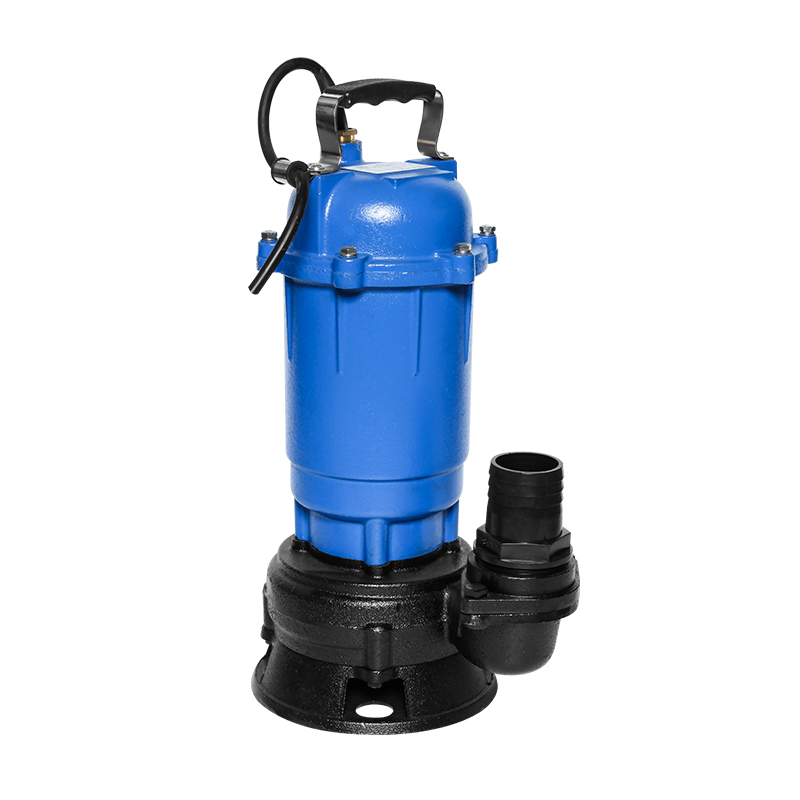
Water management is a central part of farming, especially in regions where rainfall is unpredictable. An Agricultural Water Pump helps farmers move water from sources such as wells, rivers, or storage tanks to fields where it is needed. With the right setup, pumps can support steady irrigation, reduce manual effort, and improve crop conditions over time.
An agricultural water pump is designed to transfer water efficiently across different parts of a farm. Depending on the environment, it may draw water from underground sources, nearby water bodies, or reservoirs built for irrigation. The pump then delivers water through pipes, hoses, or irrigation systems.
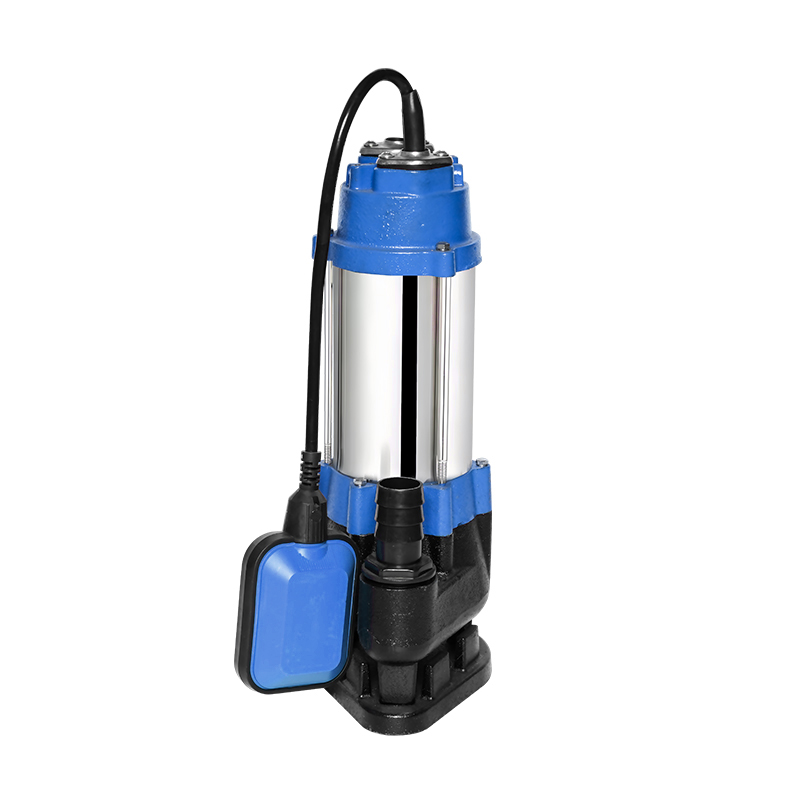
There are different types of pumps used in agriculture, including centrifugal pumps, submersible pumps, and diesel-powered units. Each type serves a different purpose based on water depth, distance, and required flow rate. Choosing the right pump depends on the farm's layout and water availability.
Benefits of Using an Agricultural Water Pump
- Consistent Water Supply – Pumps help ensure crops receive water regularly, even when natural rainfall is limited.
- Labor Reduction – Automated or semi-automated systems reduce the need for manual water transport.
- Flexible Irrigation – Water can be directed to different fields or crop zones as needed.
- Improved Crop Conditions – Reliable irrigation supports steady plant growth and helps reduce stress caused by uneven watering.
For farmers managing larger areas, an agricultural water pump becomes a practical tool that supports daily operations and long-term planning.
Choosing the Right Agricultural Water Pump
Selecting an Agricultural Water Pump involves several practical considerations:
- Water Source: Identify whether the water comes from a shallow well, deep borehole, river, or storage tank.
- Flow Rate Requirements: Determine how much water needs to be delivered within a specific time frame.
- Power Source: Pumps can be powered by electricity, diesel, or solar energy depending on availability and cost.
- Distance and Elevation: Consider how far and how high the water must be transported.
By evaluating these factors, farmers can choose equipment that fits their operational needs without unnecessary complexity.
Applications in Different Farming Systems
Agricultural water pumps are used across various types of farming:
- Crop Irrigation – Supplying water to fields through drip, sprinkler, or flood irrigation systems.
- Livestock Farming – Providing water for animals in barns or grazing areas.
- Greenhouses – Maintaining controlled watering systems for plants grown in enclosed environments.
- Water Storage Management – Filling or distributing water from tanks and reservoirs.
These applications show how versatile a pump can be in supporting different agricultural activities.
Maintenance and Practical Tips
To keep an agricultural water pump running smoothly, regular maintenance is important. Checking for leaks, cleaning filters, and inspecting moving parts can prevent performance issues. Proper installation also plays a role, as incorrect alignment or poor piping design may affect efficiency.
Farmers should also monitor energy usage and adjust operation times to avoid unnecessary running. Simple practices like these help extend the service life of the equipment and maintain consistent performance.
An Agricultural Water Pump is a practical tool that supports water distribution across farms of different sizes. By enabling controlled irrigation, reducing manual work, and offering flexibility in water use, it helps farmers manage resources more effectively.
Choosing the right pump and maintaining it properly allows for steady operation and reliable results. Whether used for crops, livestock, or water storage systems, an agricultural water pump remains an important part of modern farming practices, helping farmers adapt to changing conditions and manage water more efficiently.

Leave A Comment
Recommend Products


Copyright © Caifu Pump Industry Co., Ltd.

High Pressure Water Pump Manufacturer